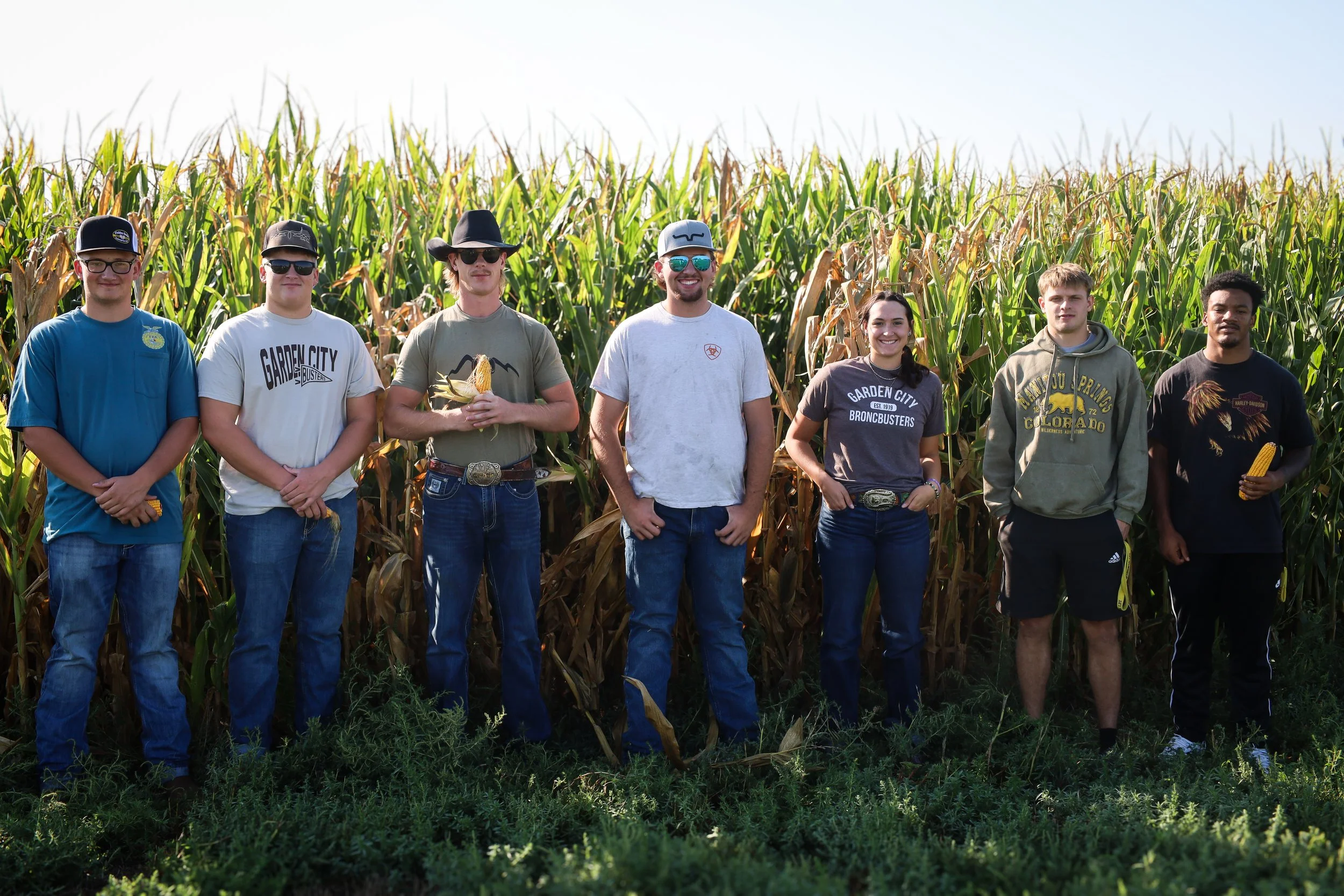
Workforce Readiness
Why This Matters
A competitive workforce creates opportunities - for rural community well-being, for innovation in agriculture, for individual economic mobility, and for a future where U.S. agriculture remains the global leader.
As digital agriculture technologies continue to expand in both number and function, we must ensure that current and future farmers, agronomists, and land managers are equipped to use more advanced technologies and communication tools that draw from a broader base of scientific knowledge. At the same time, we must develop the technological workforce’s capacity to answer the needs of U.S. agriculture - not create technologies that answer the wrong questions.
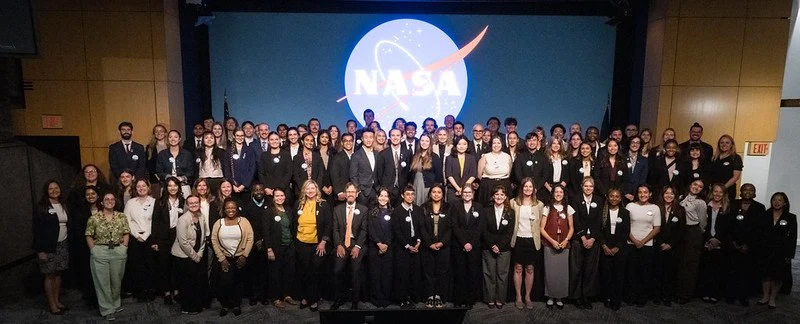
In this way, NASA Acres’ program on Workforce Readiness focuses on “cross-pollinating” the often siloed agricultural and satellite data industries, and works with students and professionals from ages and stages ranging from high school onward.
Ongoing Workforce Readiness Activities
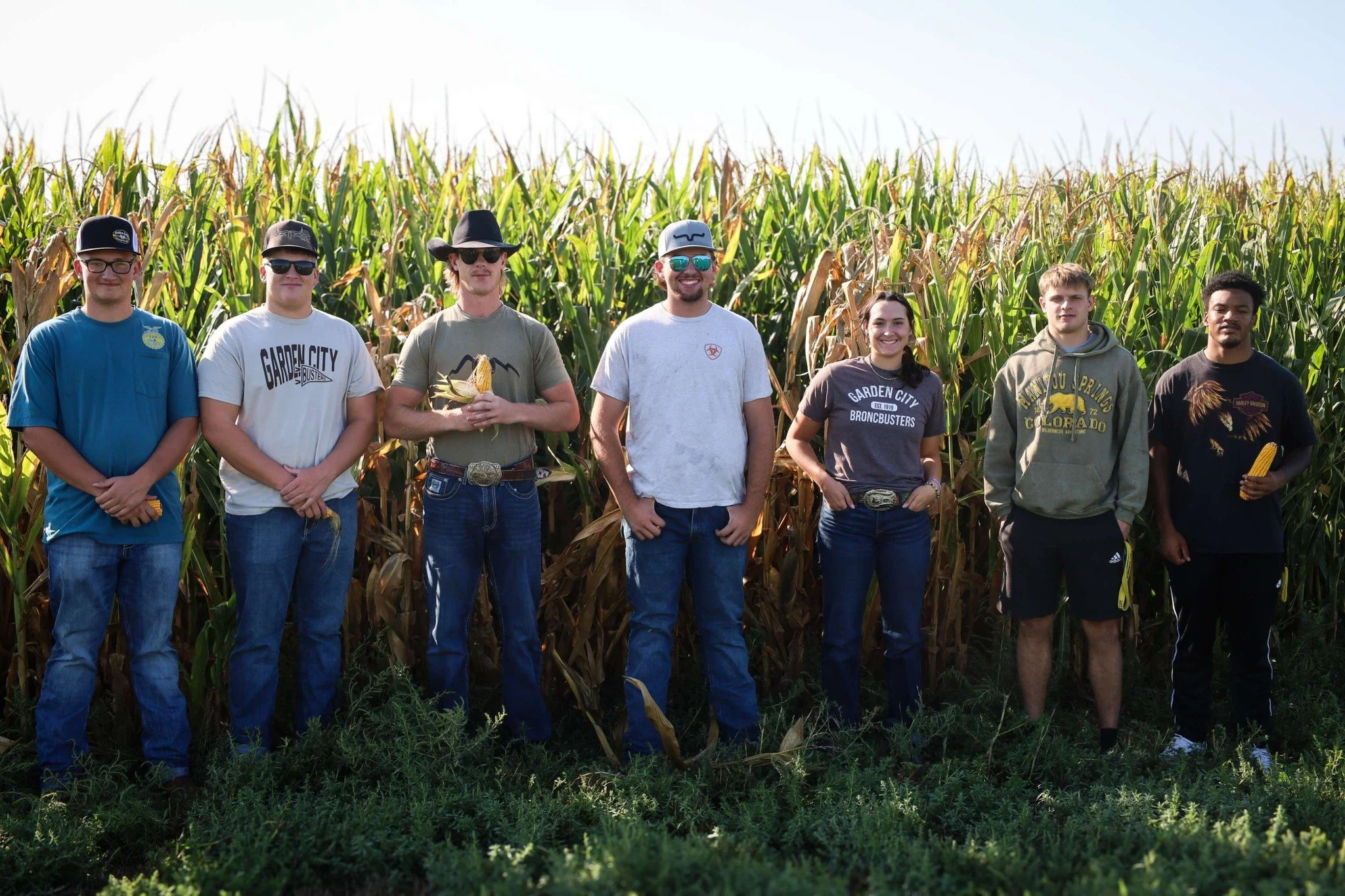
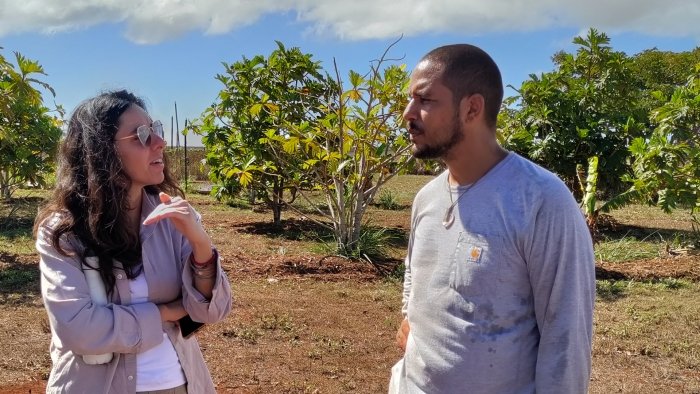
A pillar of NASA Acres Workforce Readiness program of activities is engaging local students in NASA Acres projects in the places where they study and live. We unite students focusing on agronomy, soil science, computer science, remote sensing, and more to promote cross-disciplinary knowledge development and exchange. By combining practical fieldwork and classroom-based learning activities, we equip students with job-relevant skills that link Earth and Space to best serve agriculture today and into the next generation. Learn more:
Begin your self-guided learning journey with these resources: