On the Road with the NASA Space4Ag Tour: Listening to Agriculture Across Texas, Oklahoma, and Kansas
NASA Acres and NASA Earth Science scientists and leaders spent a week journeying across Texas, Oklahoma, and Kansas listening to producers, researchers and agricultural organizations to keep building the relationships that help turn Earth observations into practical value for American agriculture.
Photo courtesy of Northwestern Oklahoma State University
What does American agriculture need from NASA?
Answering that question requires more than satellites, models and data. It requires time in fields, conversations around kitchen tables, and listening directly to the farmers, ranchers, researchers and agricultural organizations making decisions every day.
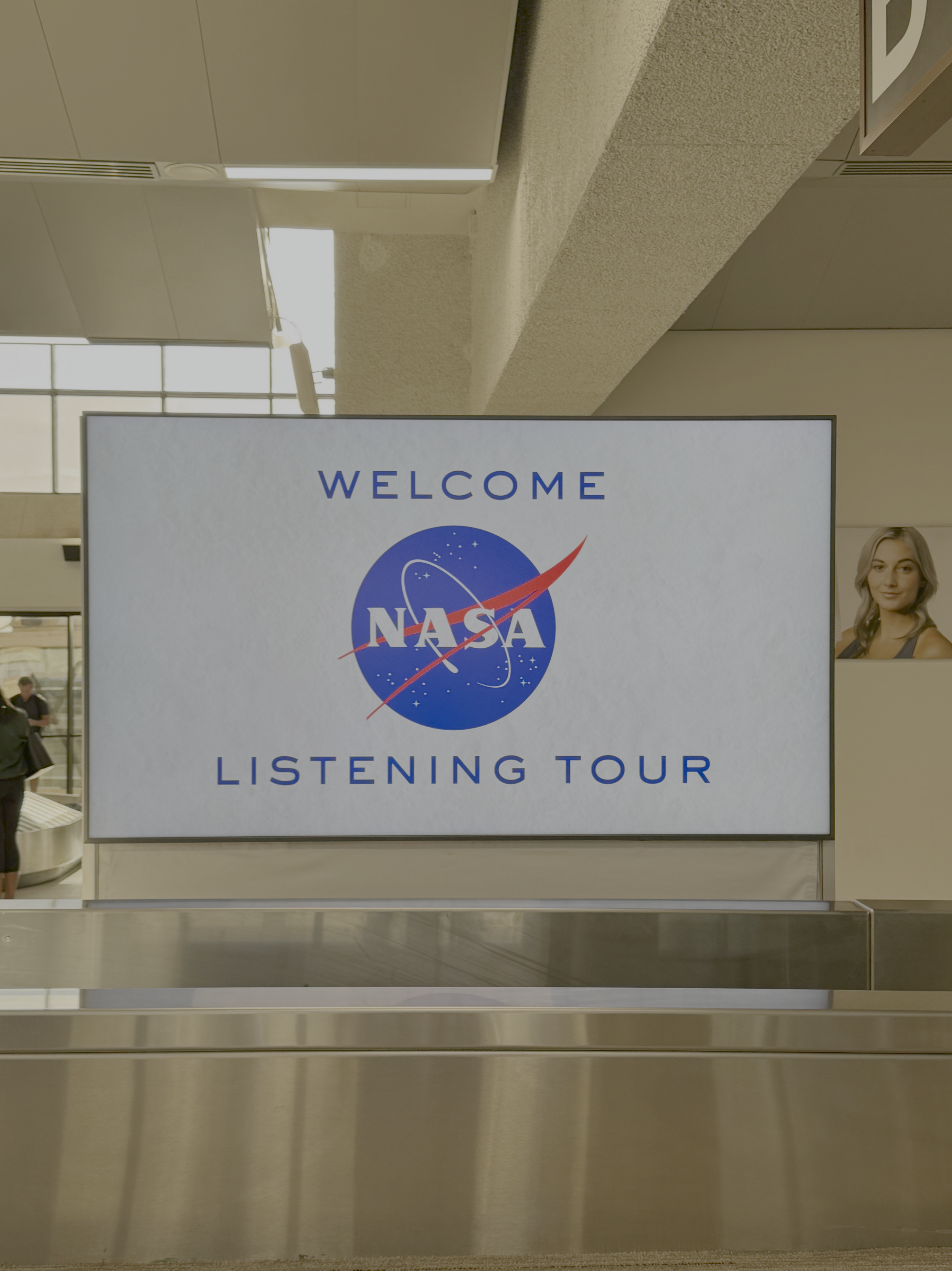
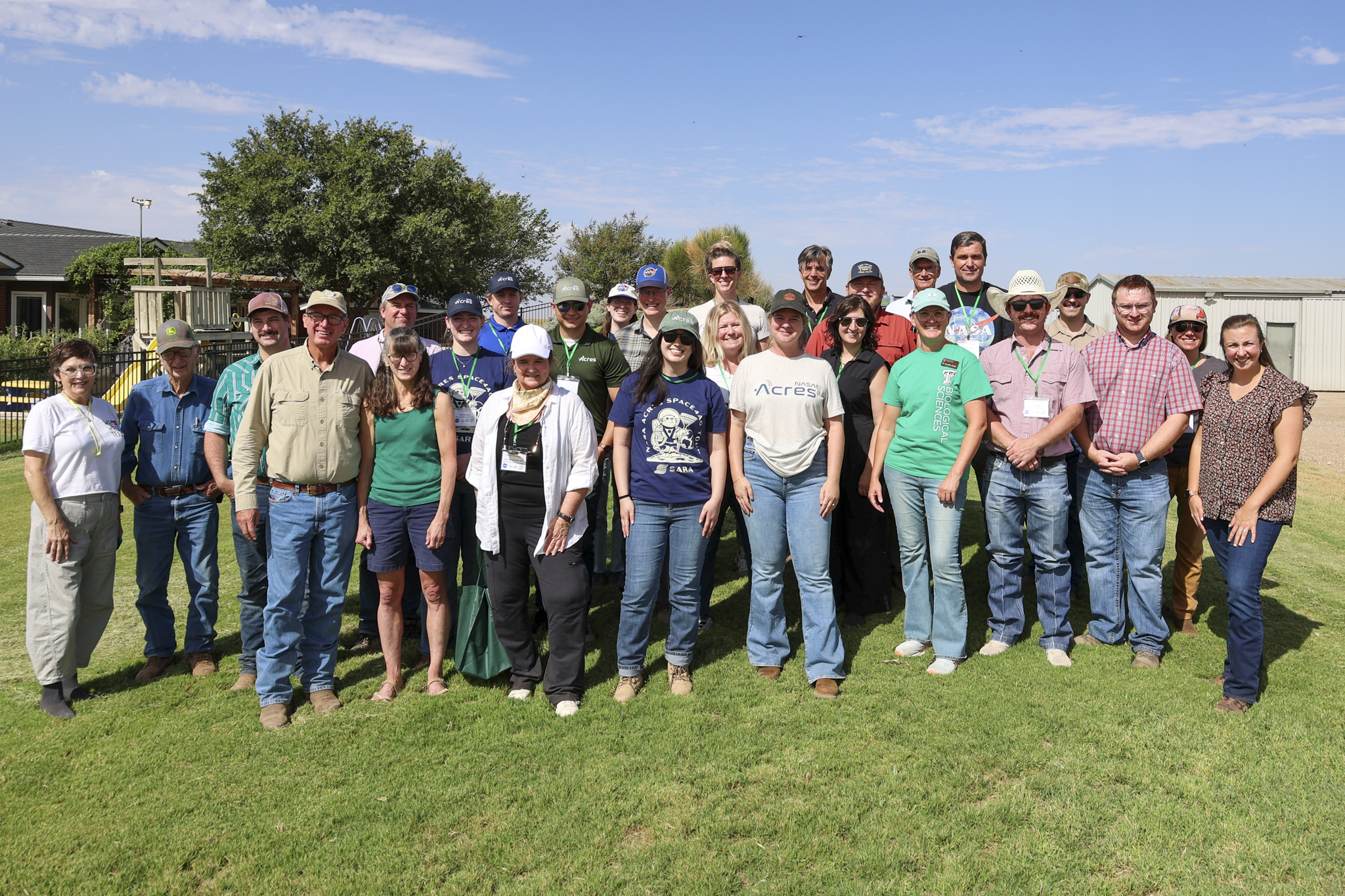
That was the purpose of NASA’s 2026 Space for Agriculture (Space4Ag) listening tour. For six days in August, the NASA Acres team hit the road, traveling through Texas, Oklahoma and Kansas to visit fields and pastures, working farms and ranches, research plots and facilities, processing operations, university classrooms and community gathering places.
We were joined by scientists and leaders from NASA Earth Science, members of our Farm Innovation Ambassador Team (FIAT), university researchers, commodity organizations, conservation specialists and agricultural leaders. Along the way, we sat down with producers, researchers, students, agricultural organizations, and local leaders to listen, learn and better understand where NASA Earth observation science can provide value to American agriculture.
FIAT was also integral to that work, and team members Tillery Timmons-Sims and Connor Watts joined the Texas portion of the tour, Dr. Kent Martin helped host the NASA team in Oklahoma, and Ray Flickner welcomed the group to his family’s farm in Kansas. FIAT helps bridge the perspectives of producers and researchers and ensures that farmers are not simply an audience for NASA science, but participants in shaping how it is developed and used.
Starting with the challenges producers are already solving
Across West Texas, one issue surfaced again and again: water.
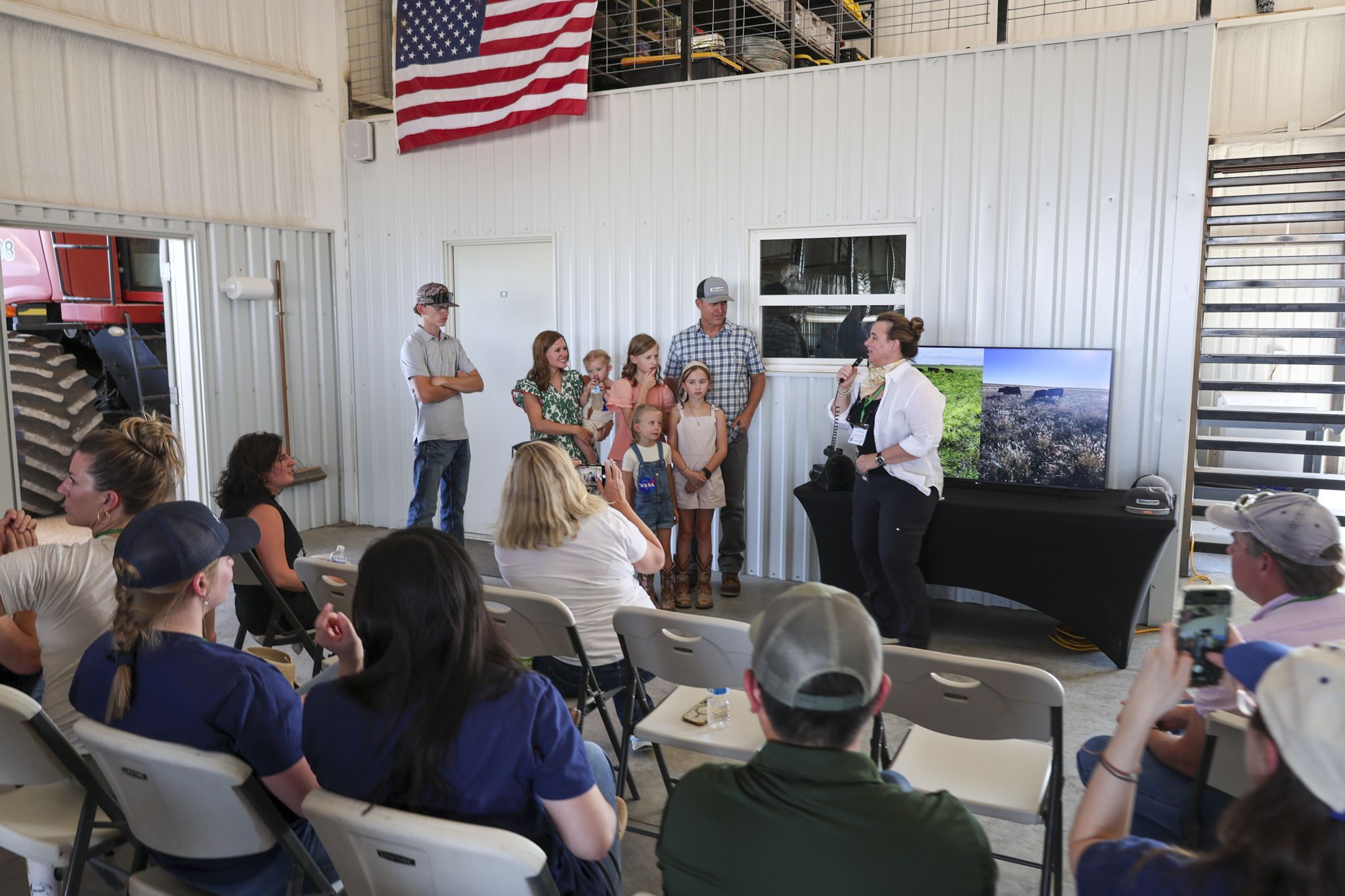
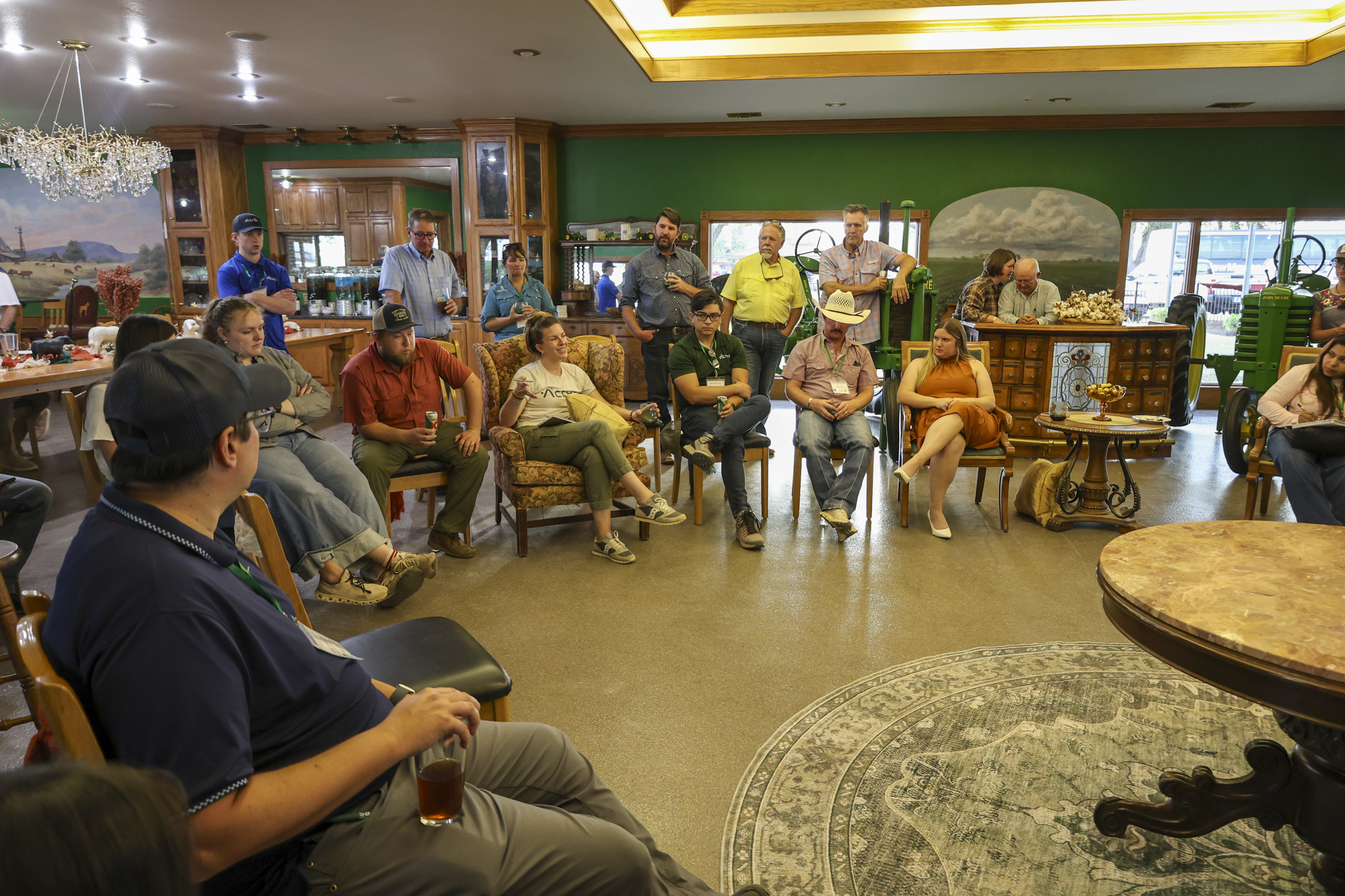
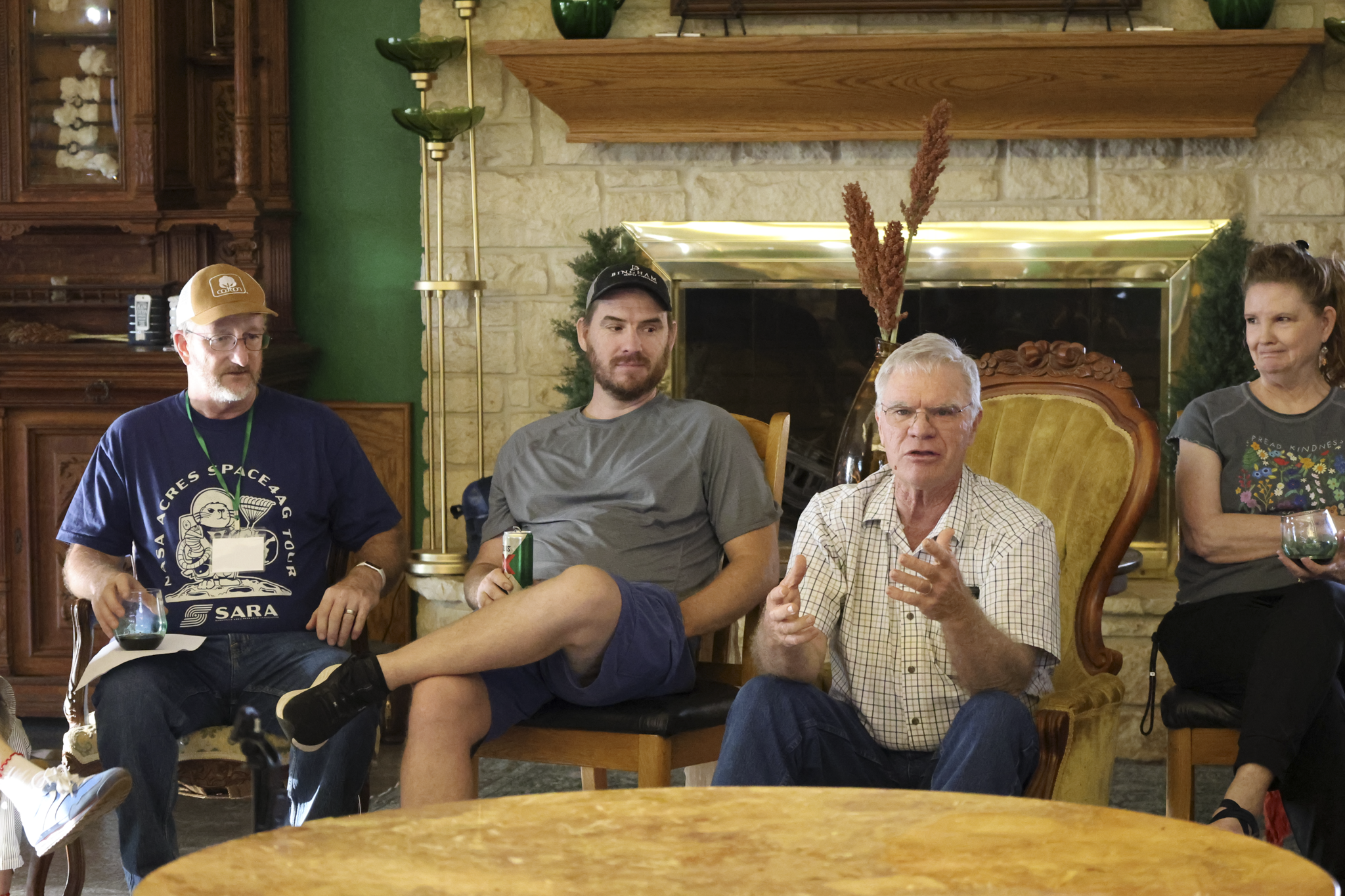
At Bingham Family Farms and Vineyards near Meadow, Cliff, Betty, Daniel, and Kyle Bingham shared what water scarcity looks like across generations of a farming operation. The family, long involved in organic cotton and other row crops, has diversified into wine grapes while transitioning more acreage toward dryland production as aquifers decline. Conversations with the Binghams, Tomorrow’s Water and Ducks Unlimited also explored playa lakes and the potential for collaboration around playa restoration.
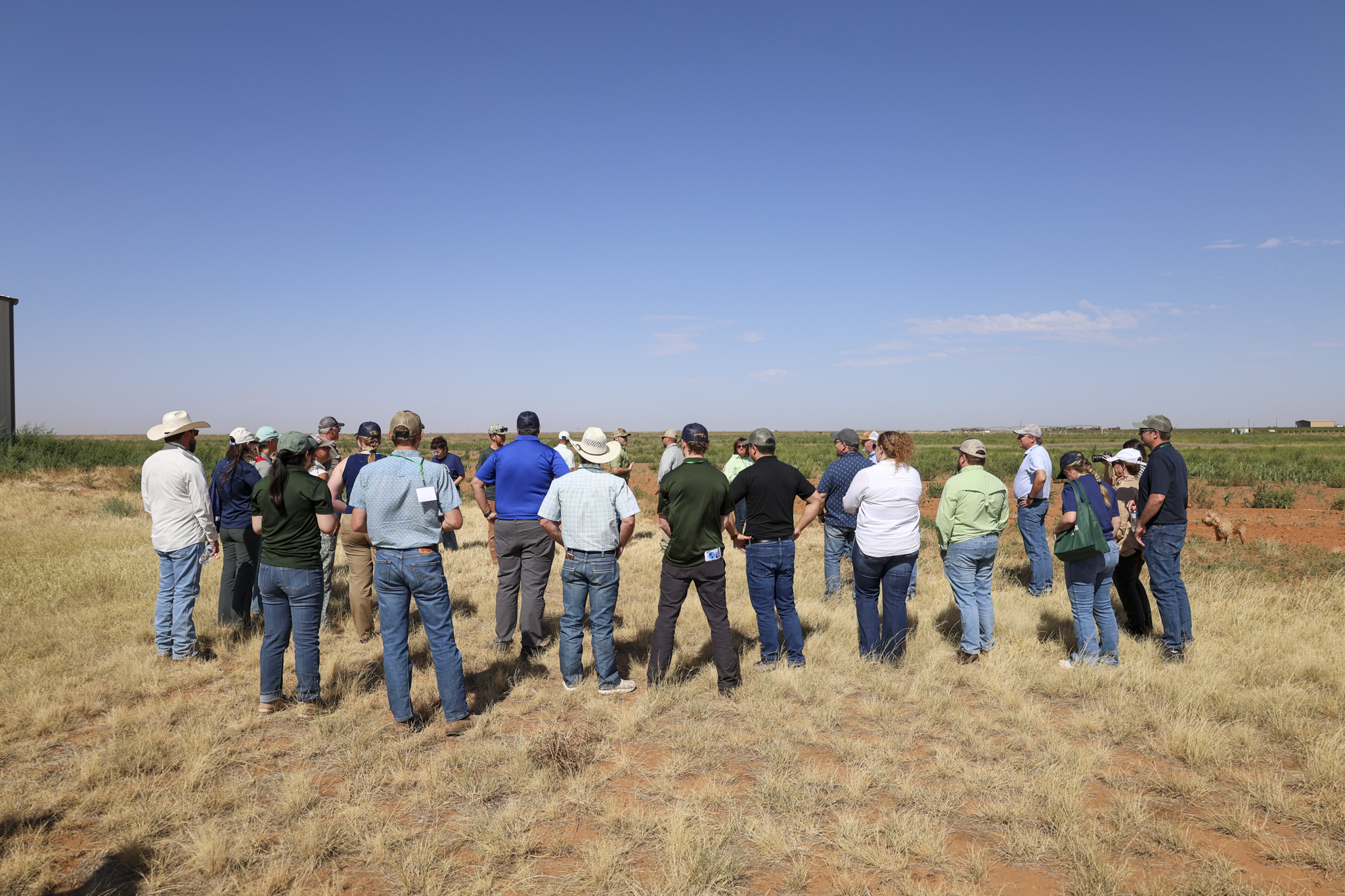
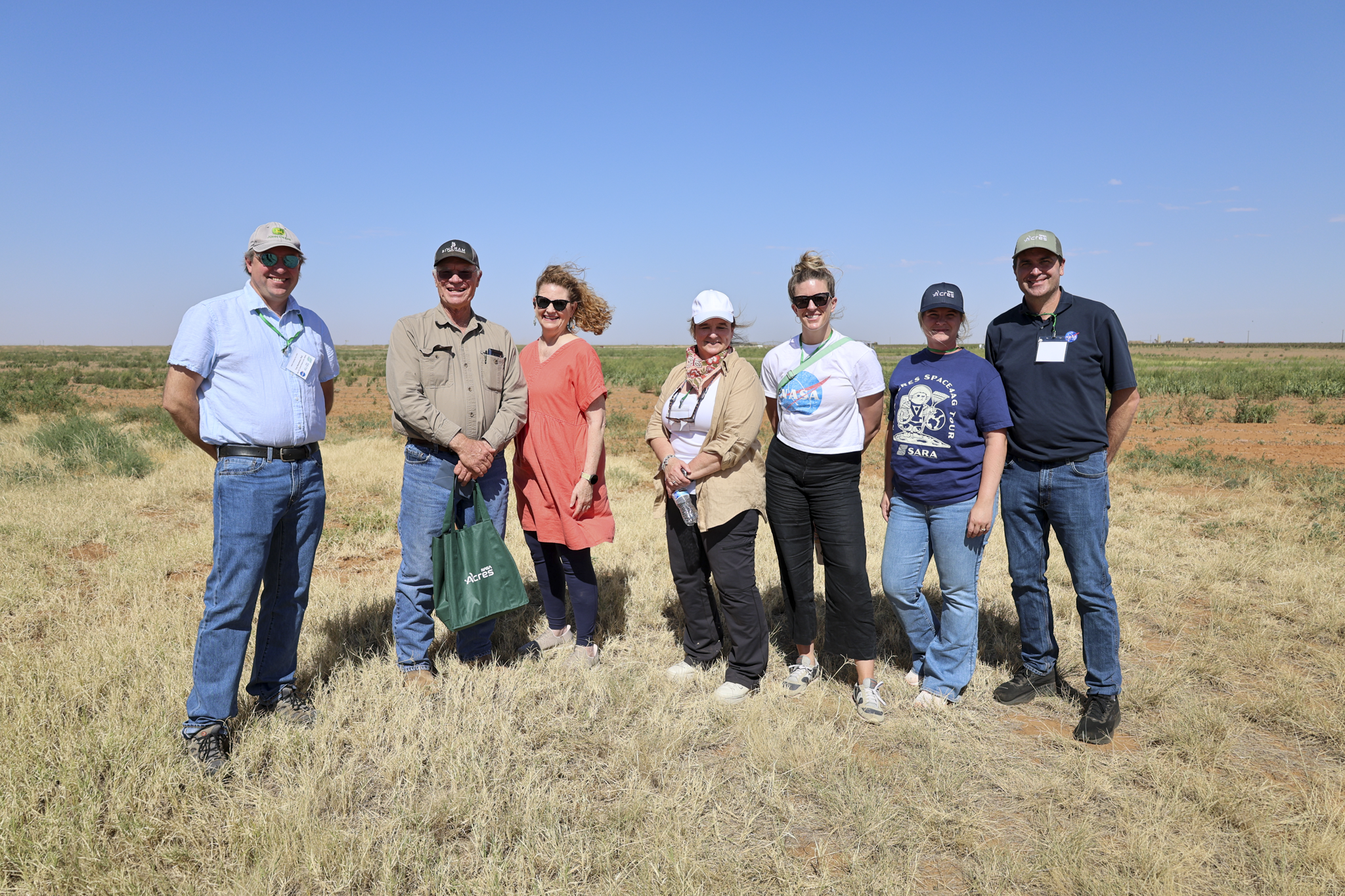
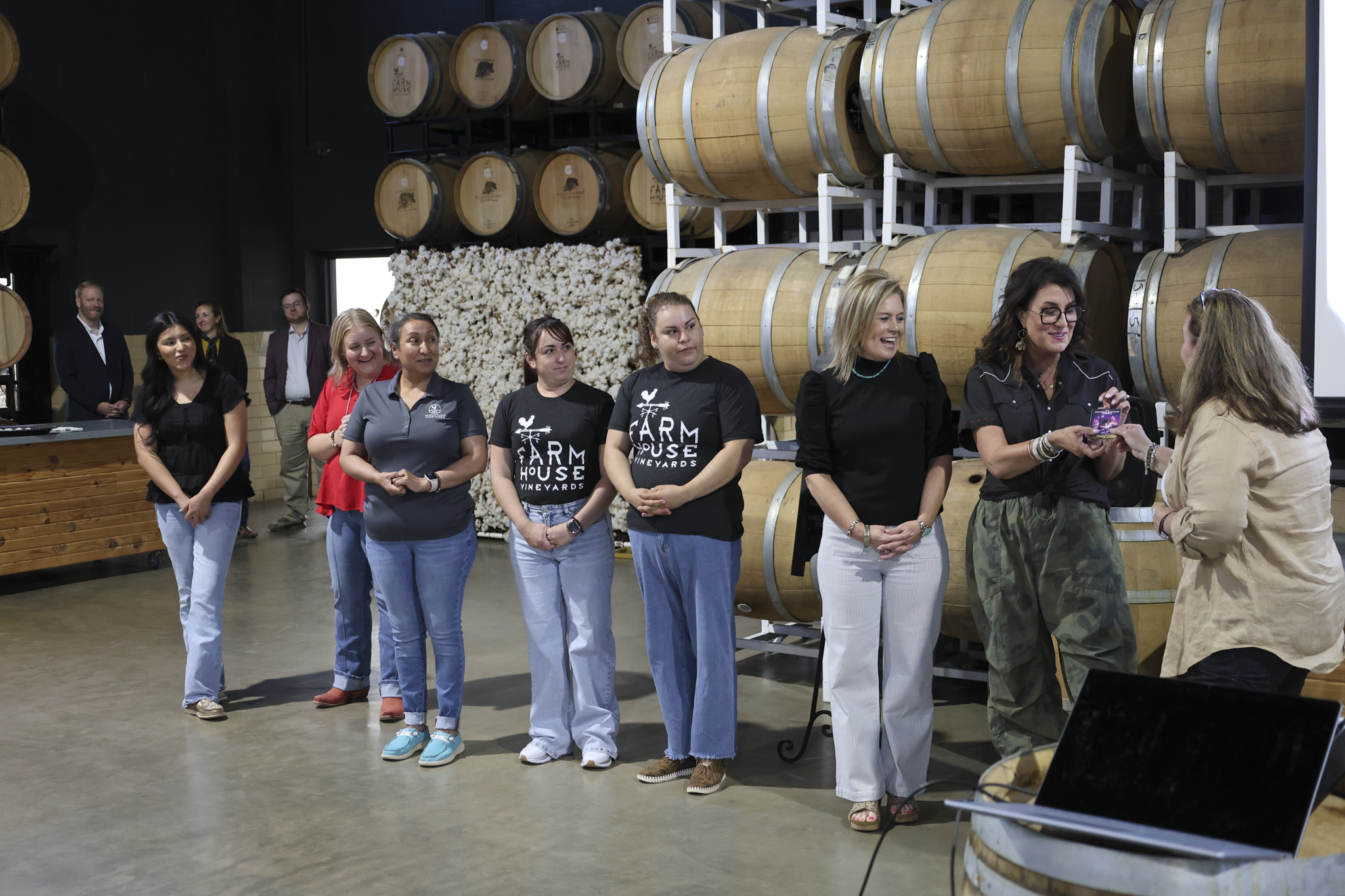
The value for NASA Acres was not simply observing another production system, but seeing how agricultural decisions interconnect. Water availability affects crop choice, conservation strategy, economics and the future of a family operation, and satellite information is most useful when it is developed and applied with those realities in mind.
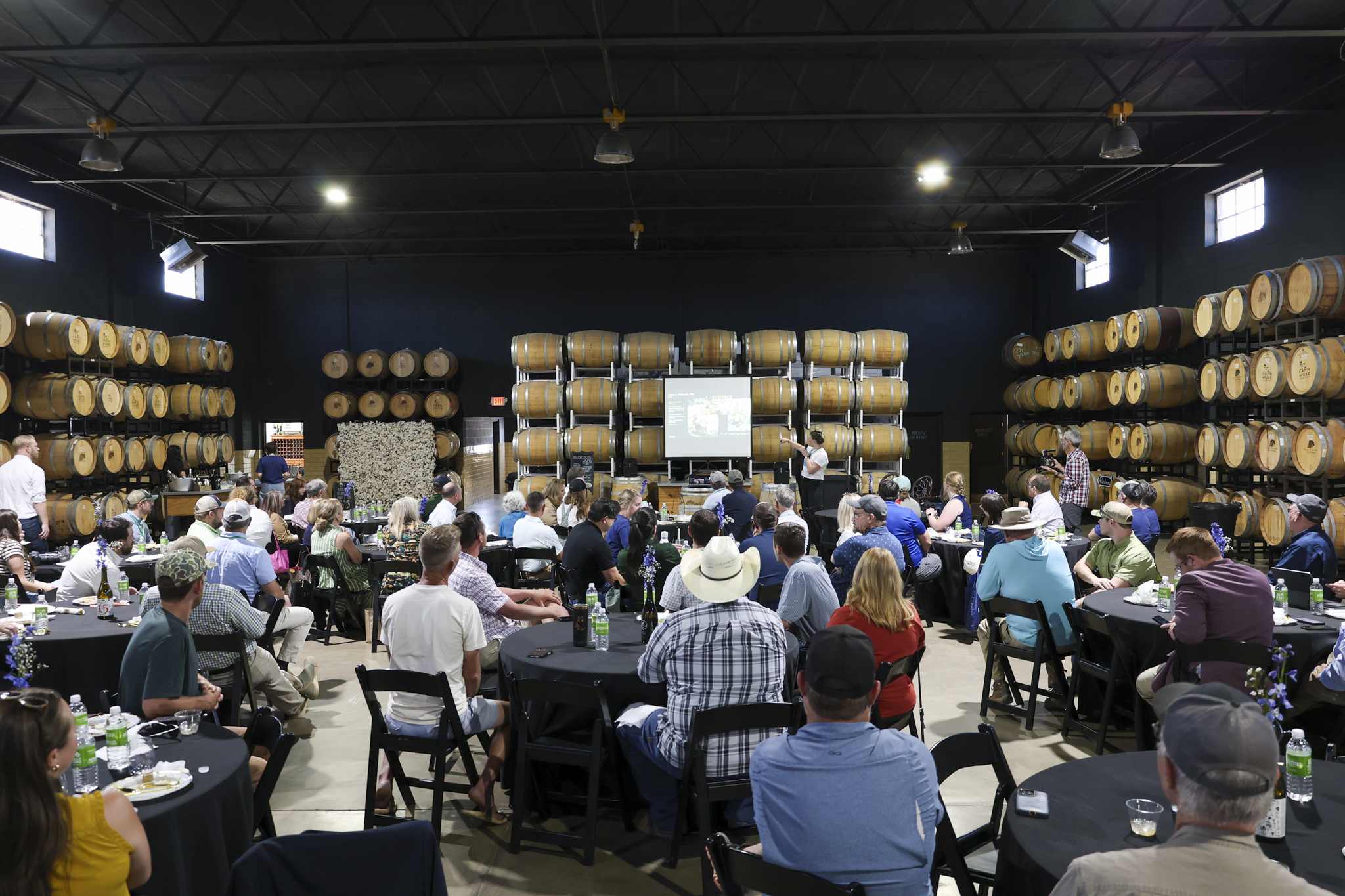
These conversations widened in Brownfield at The Armory, where farmers, conservation specialists, lenders and NASA representatives gathered for the tour’s largest public roundtable.
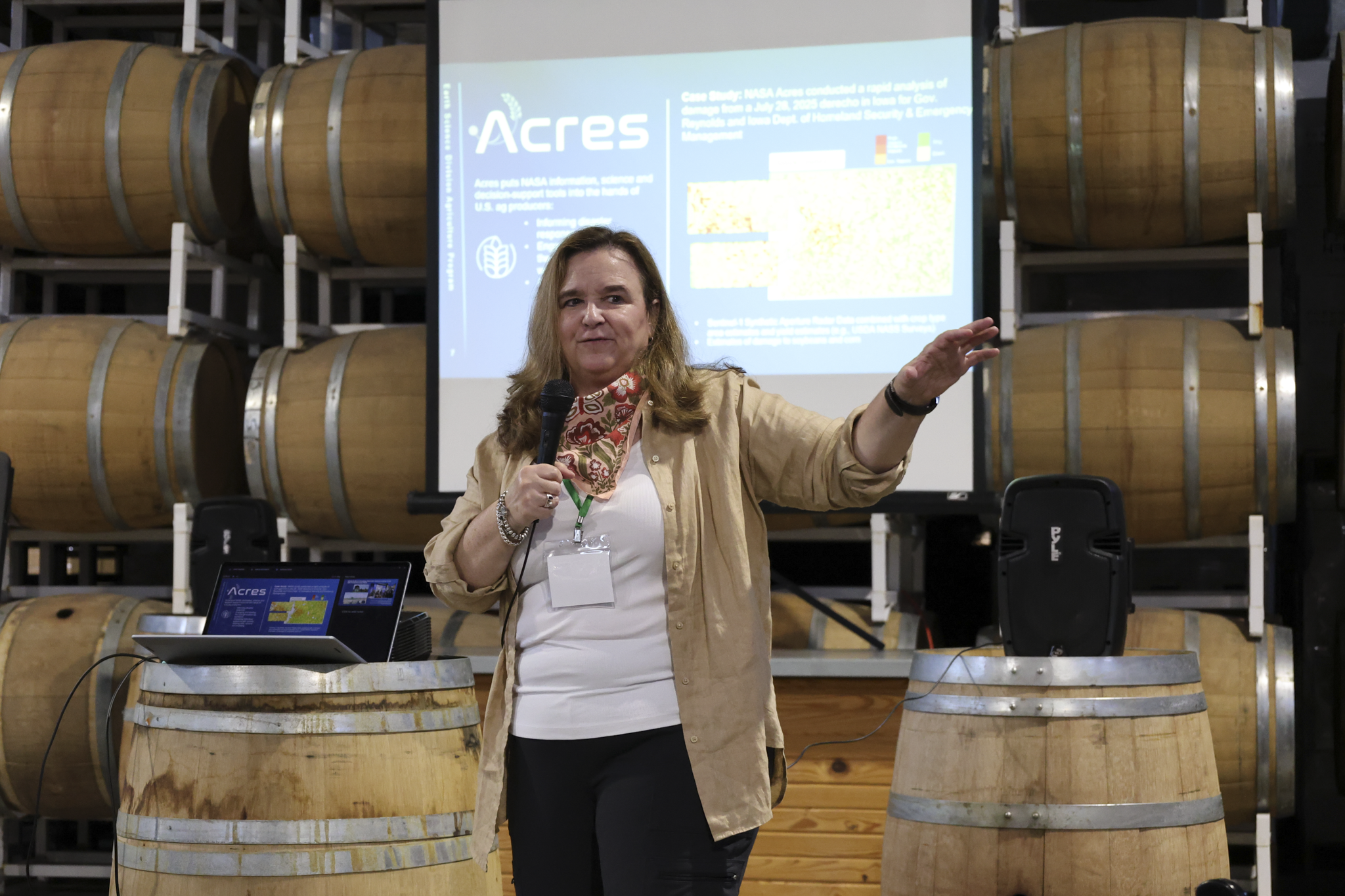
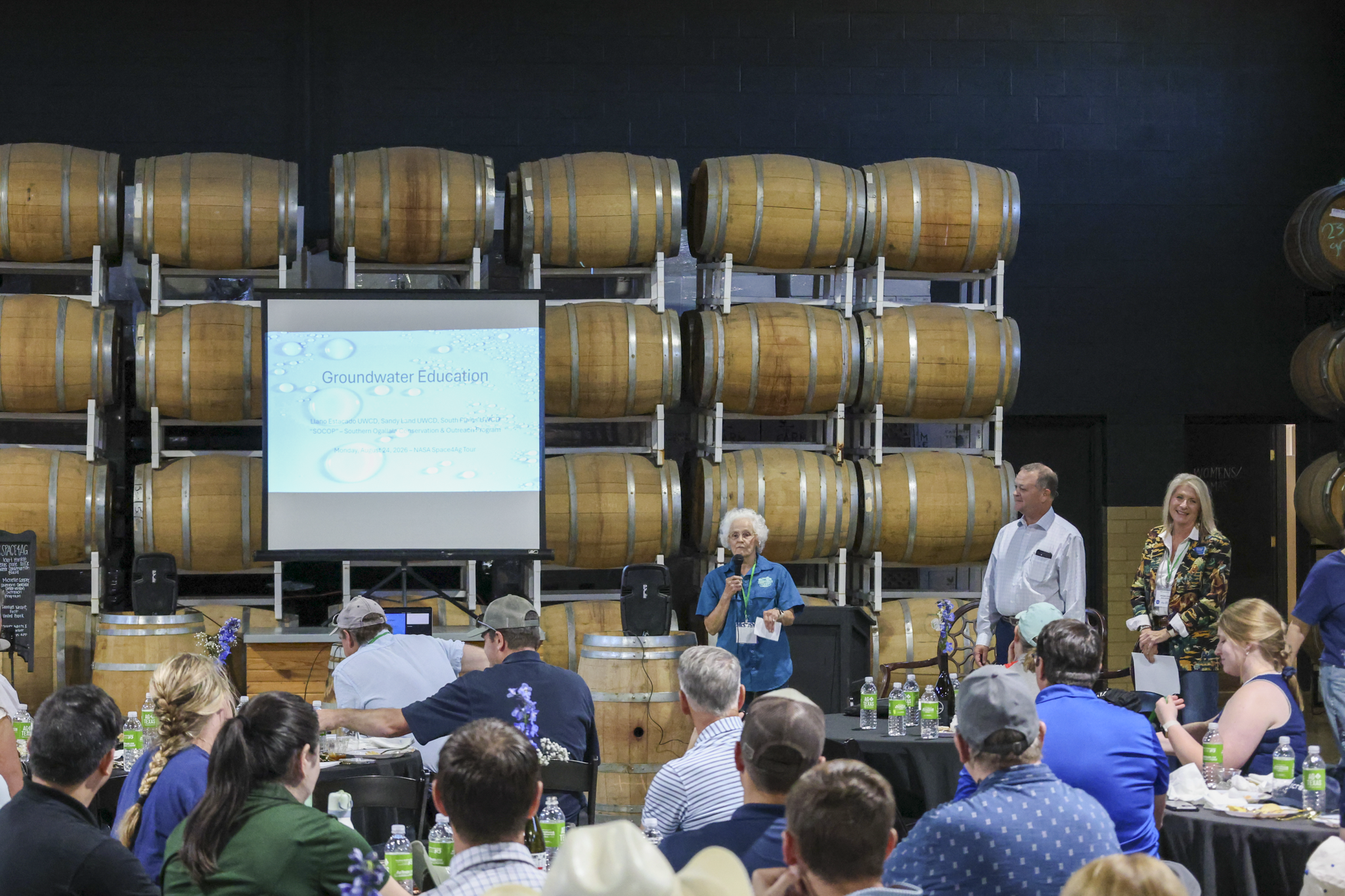
FIAT member Tillery Timmons-Sims opened the event, followed by regional agricultural leader Tom Sell and presentations from NASA Earth Science Division Director Dr. St. Germain and NASA Acres Executive Director Dr. Alyssa Whitcraft. Representatives from the Terry County Soil and Water Conservation District, the South Plains Underground Water Conservation District and the Southern Ogallala Conservation and Outreach Program brought the discussion directly to local conservation and groundwater priorities, while First United Bank’s Samuel Nesbitt provided the financial perspective behind farmers’ decisions around adopting new practices.
FIAT member and Texas farmer Connor Watts then joined NASA Acres Deputy Director Dr. Mike Humber to share his experience working with NASA and demonstrate emerging tools such as the NASA Acres Portal.
The roundtable gave farmers an opportunity to question NASA directly, describe what was and was not useful to them, and hear NASA leaders explain what Earth observations can realistically provide. Building that kind of trust is a prerequisite for almost everything NASA Acres wants to accomplish, from developing better tools to creating the conditions under which producers feel comfortable participating in research and sharing data.
Following agriculture from the field through the supply chain
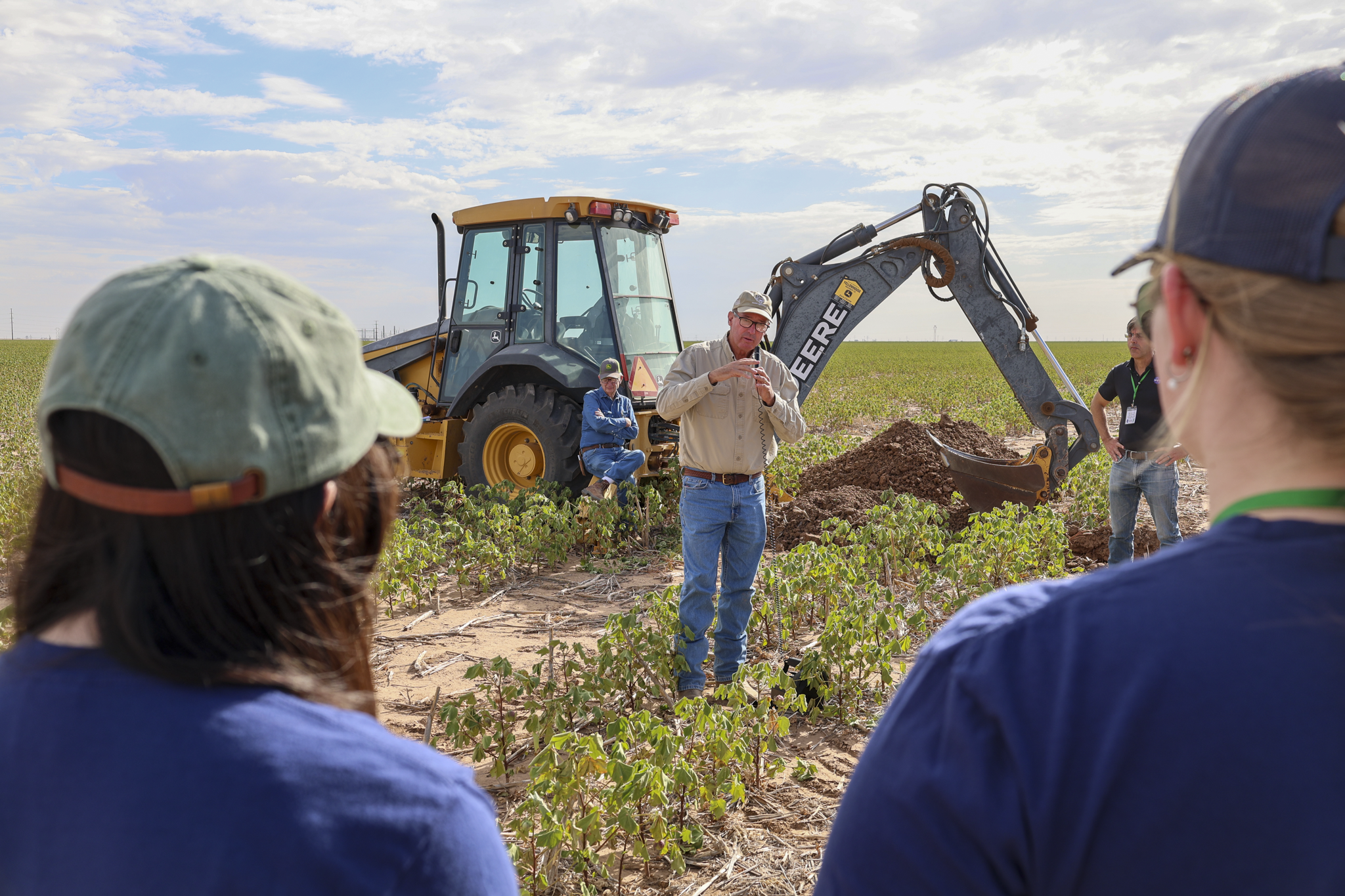
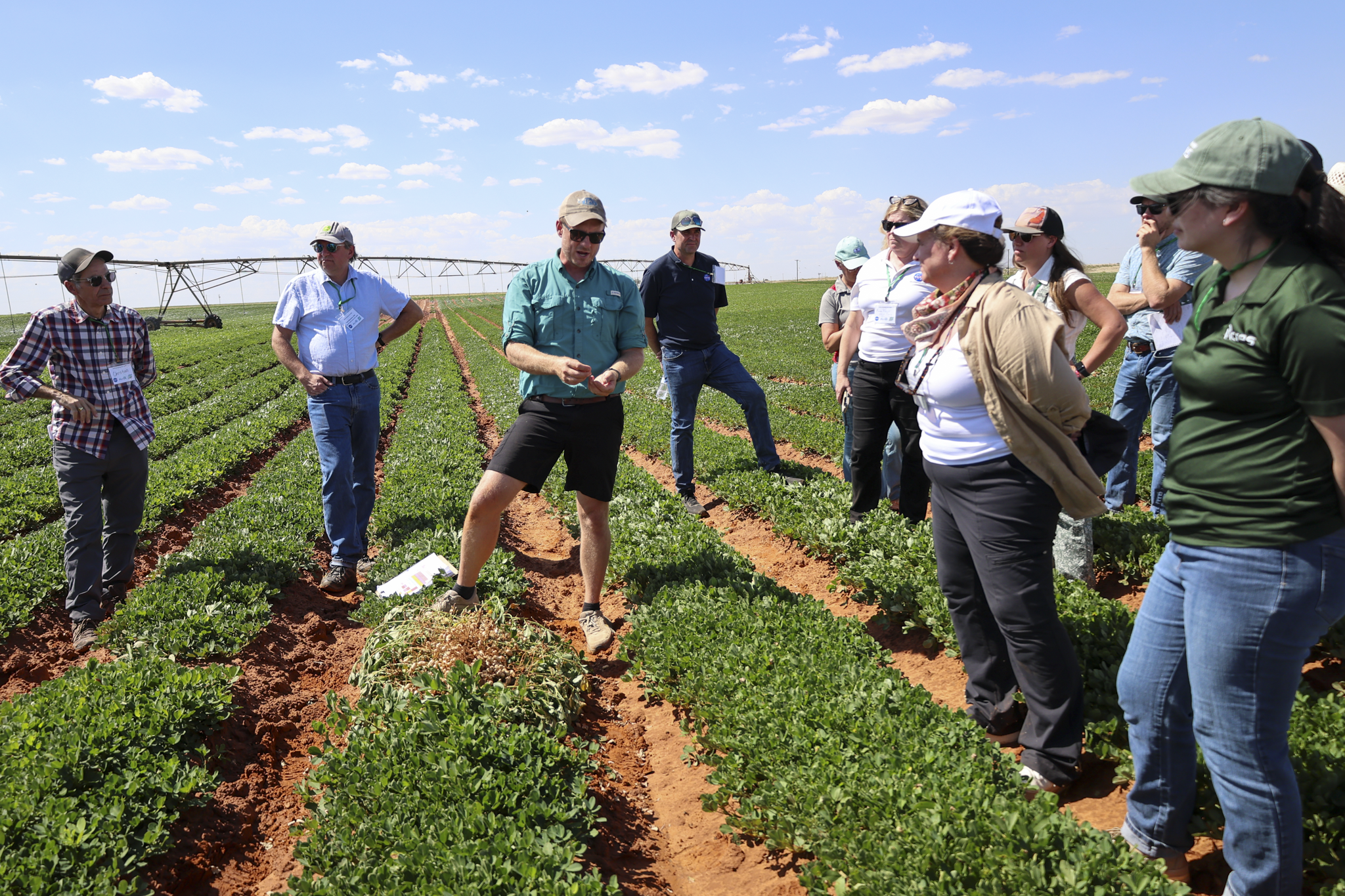
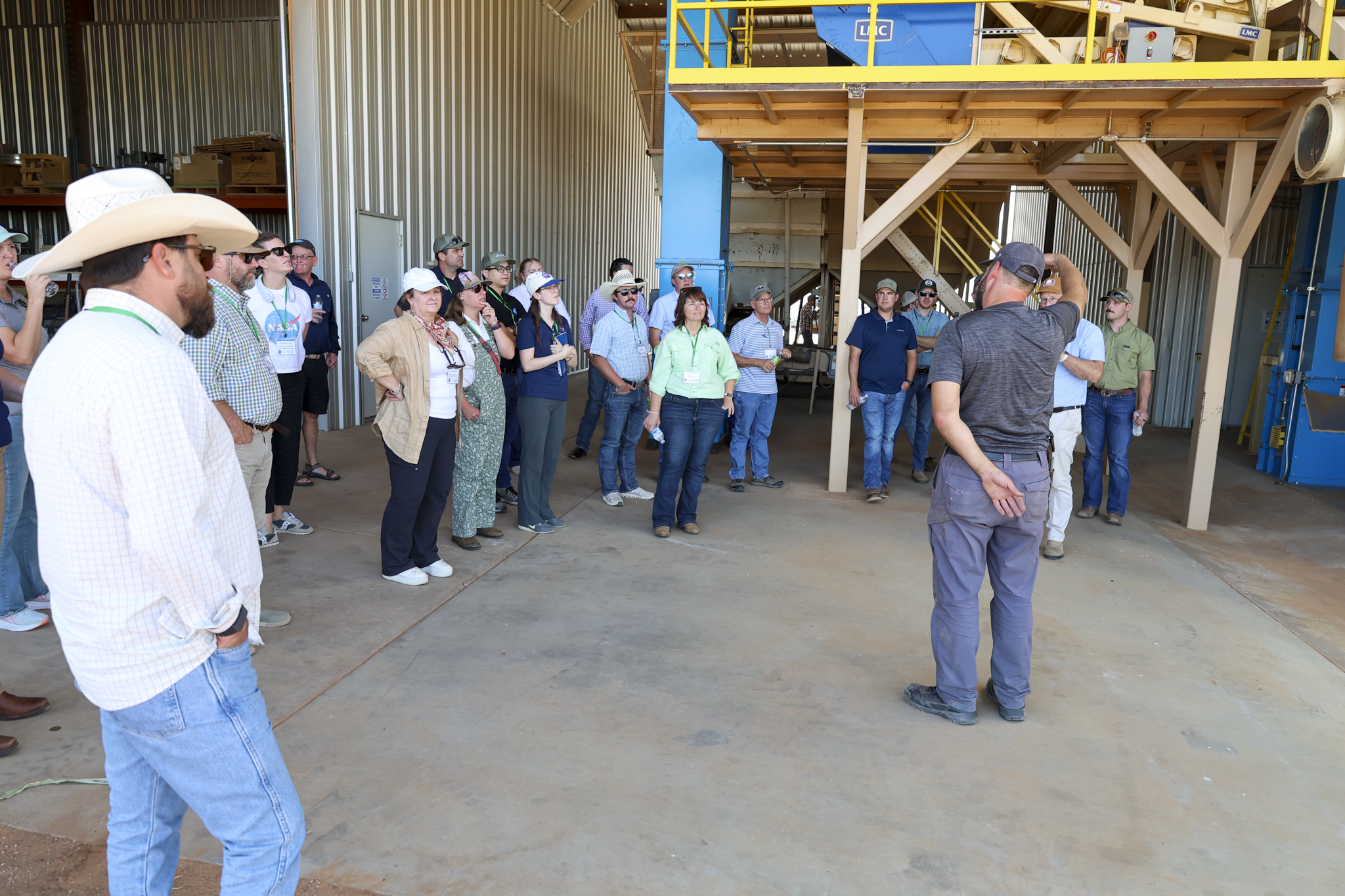
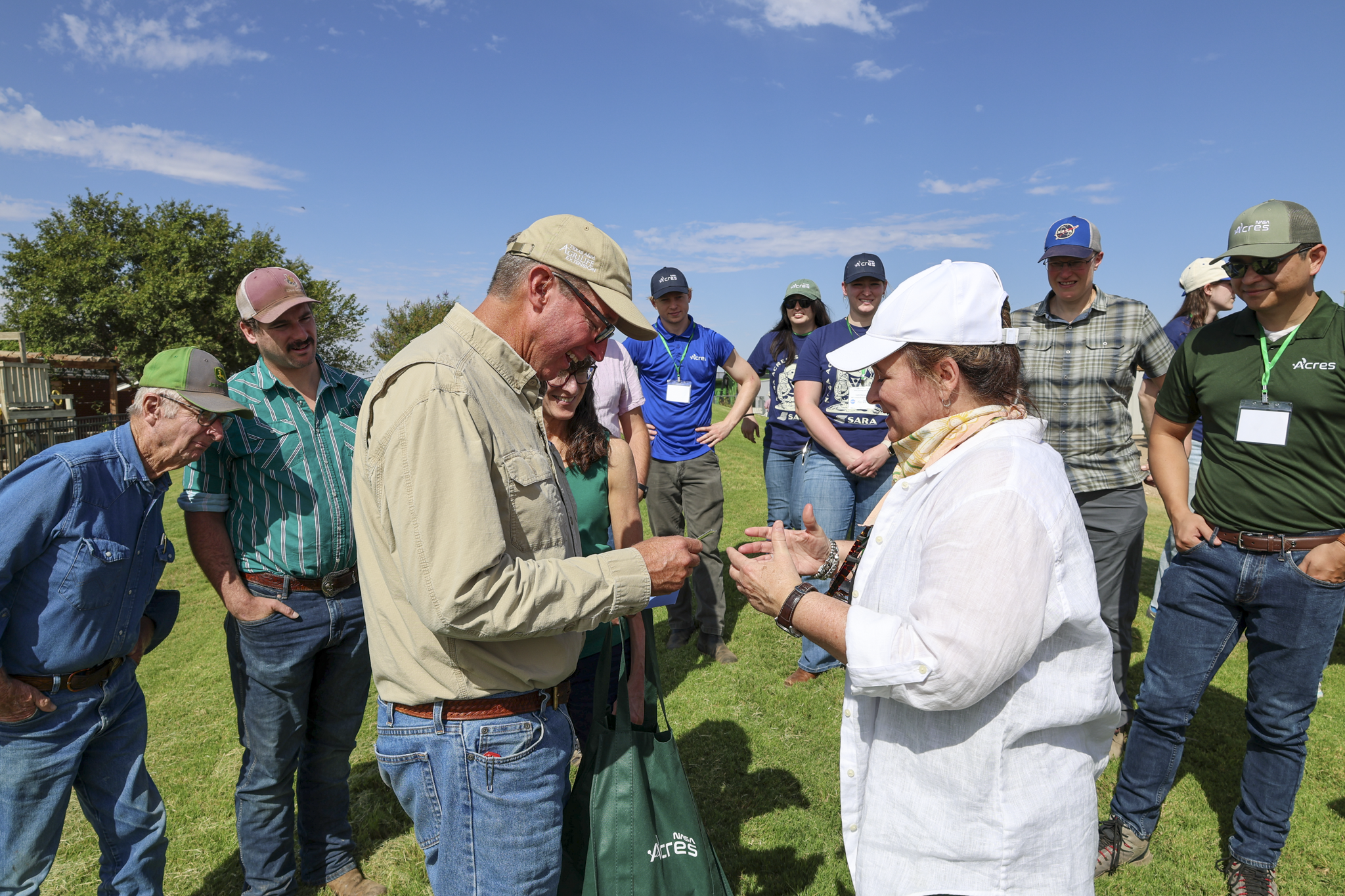
The tour also gave the NASA team a much broader view of the agricultural systems surrounding individual farms.
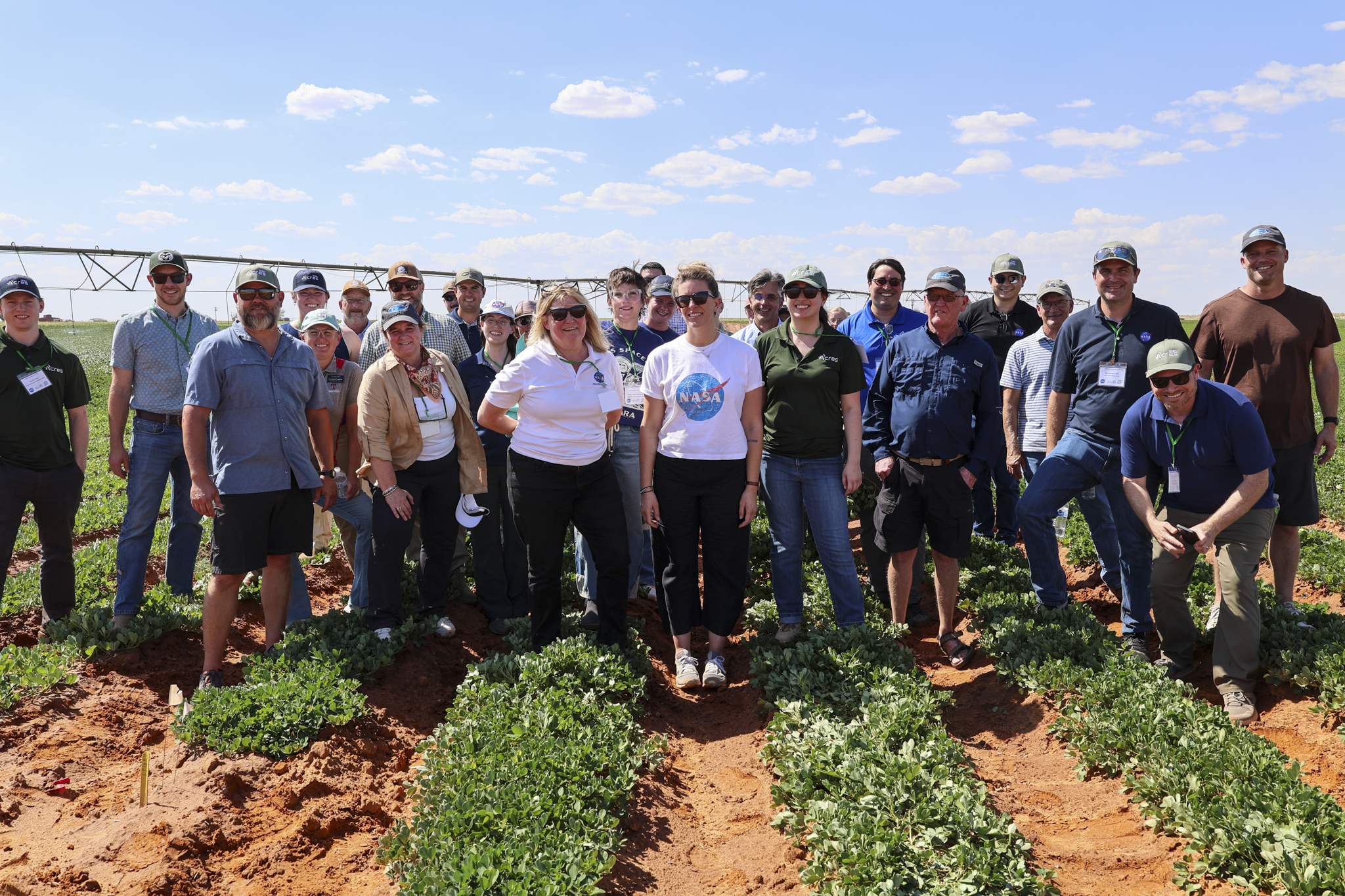
At International Peanut Group (IPG), peanut farmer Mason Becker and IPG’s Dylan Wann and Mark Gregory introduced the group to peanut production, breeding, processing and markets. The visit opened conversations about an important commodity and identified opportunities to connect Earth observations with research and production needs across the peanut sector.
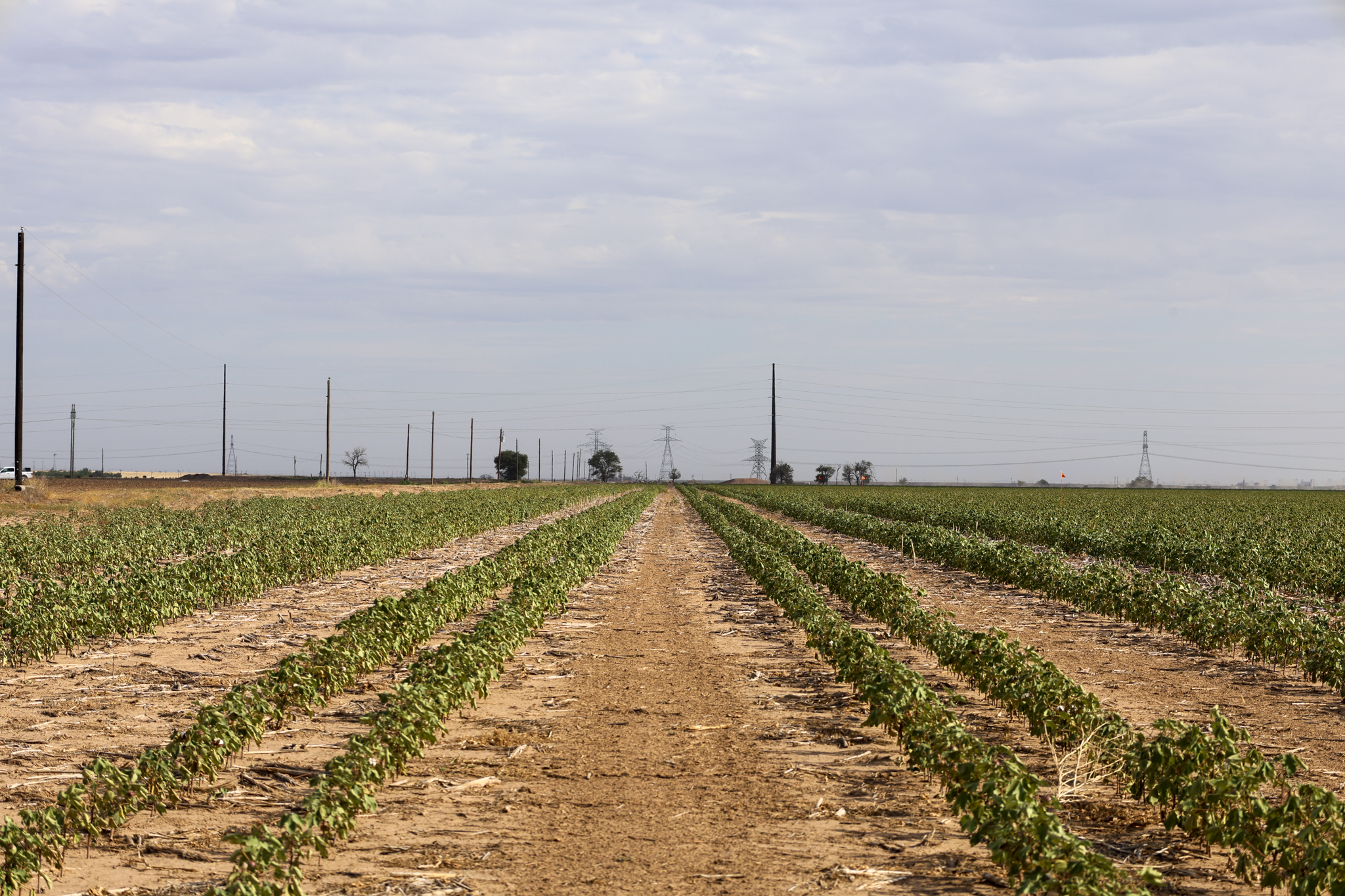
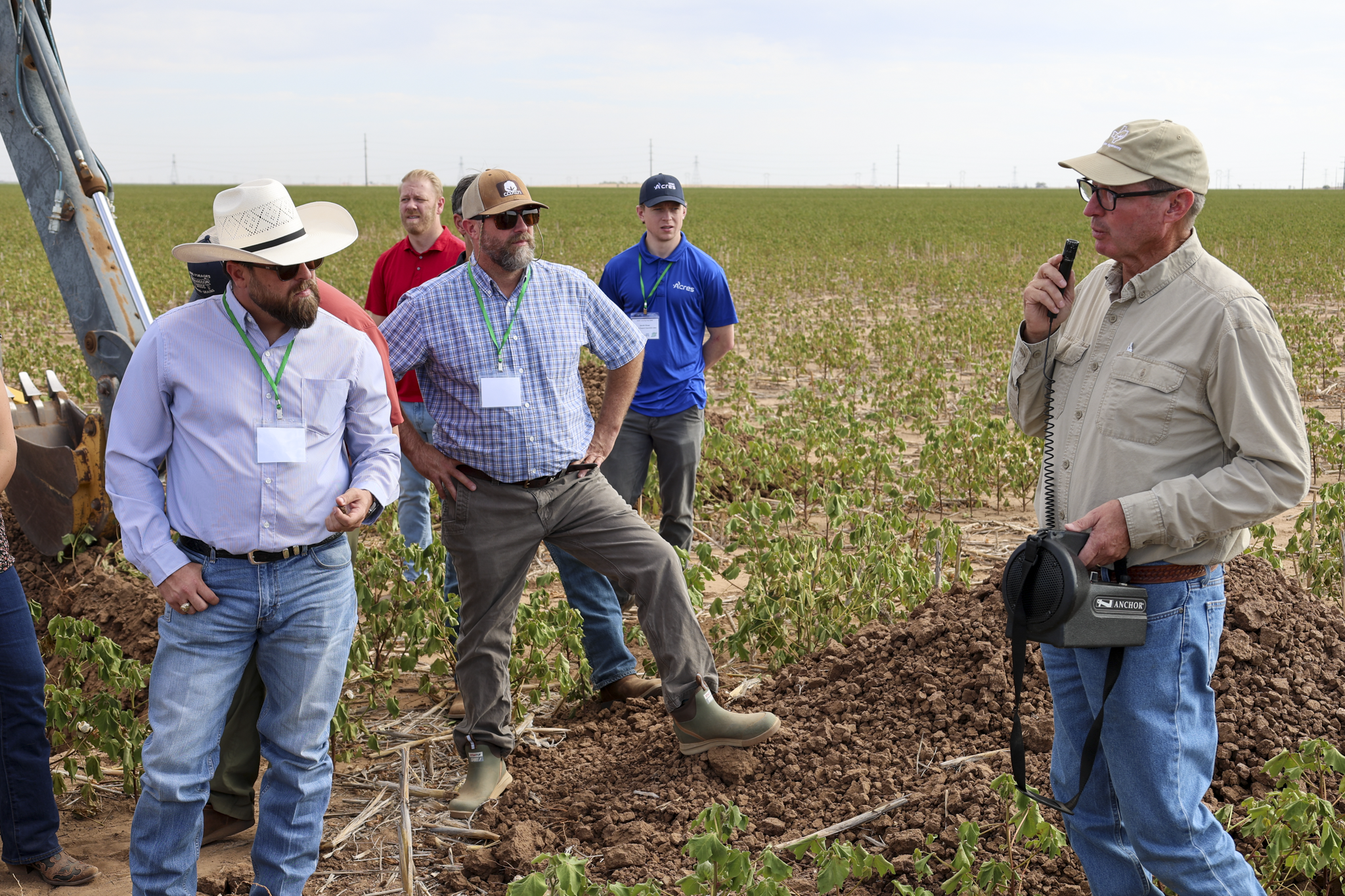
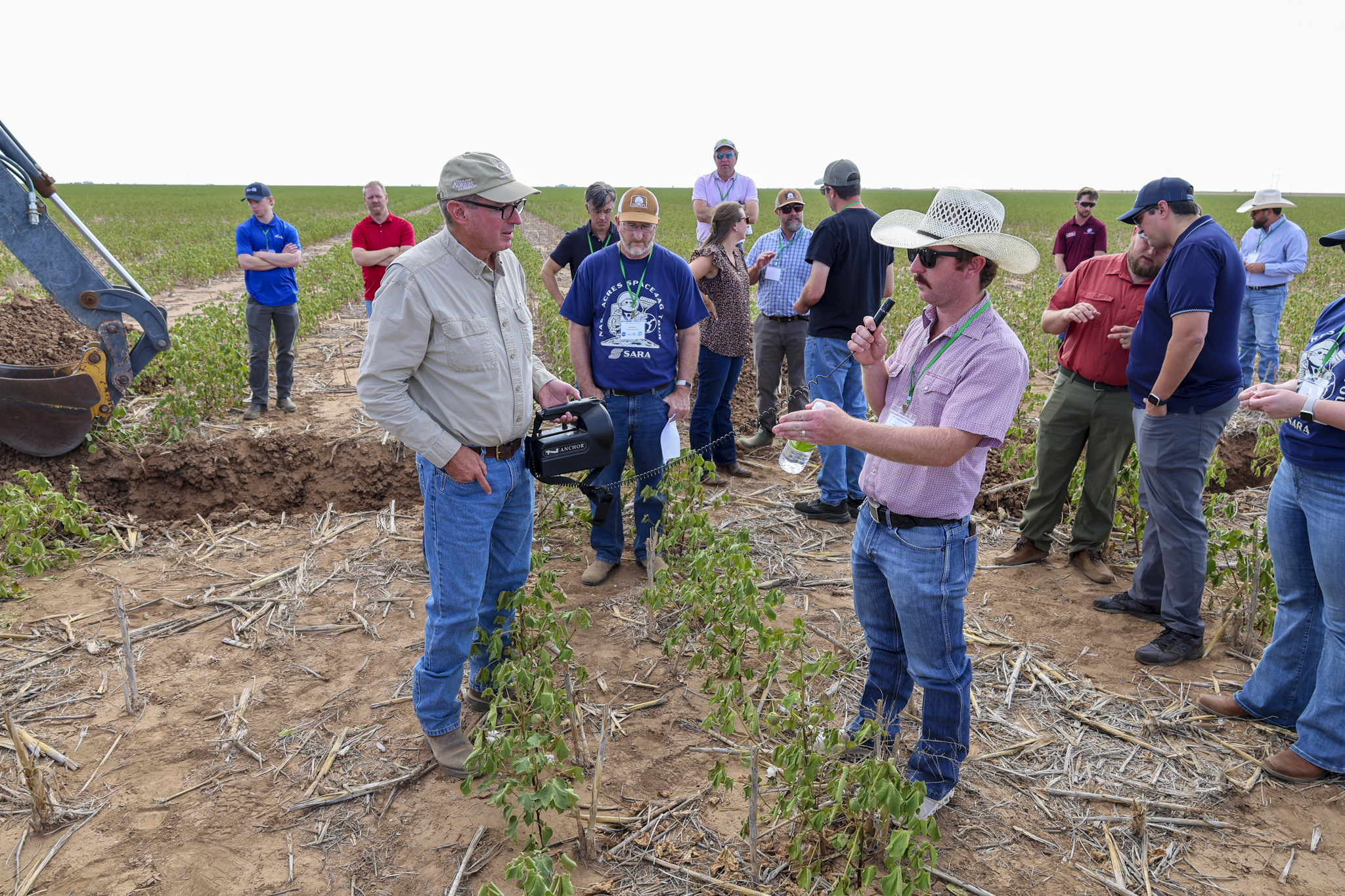
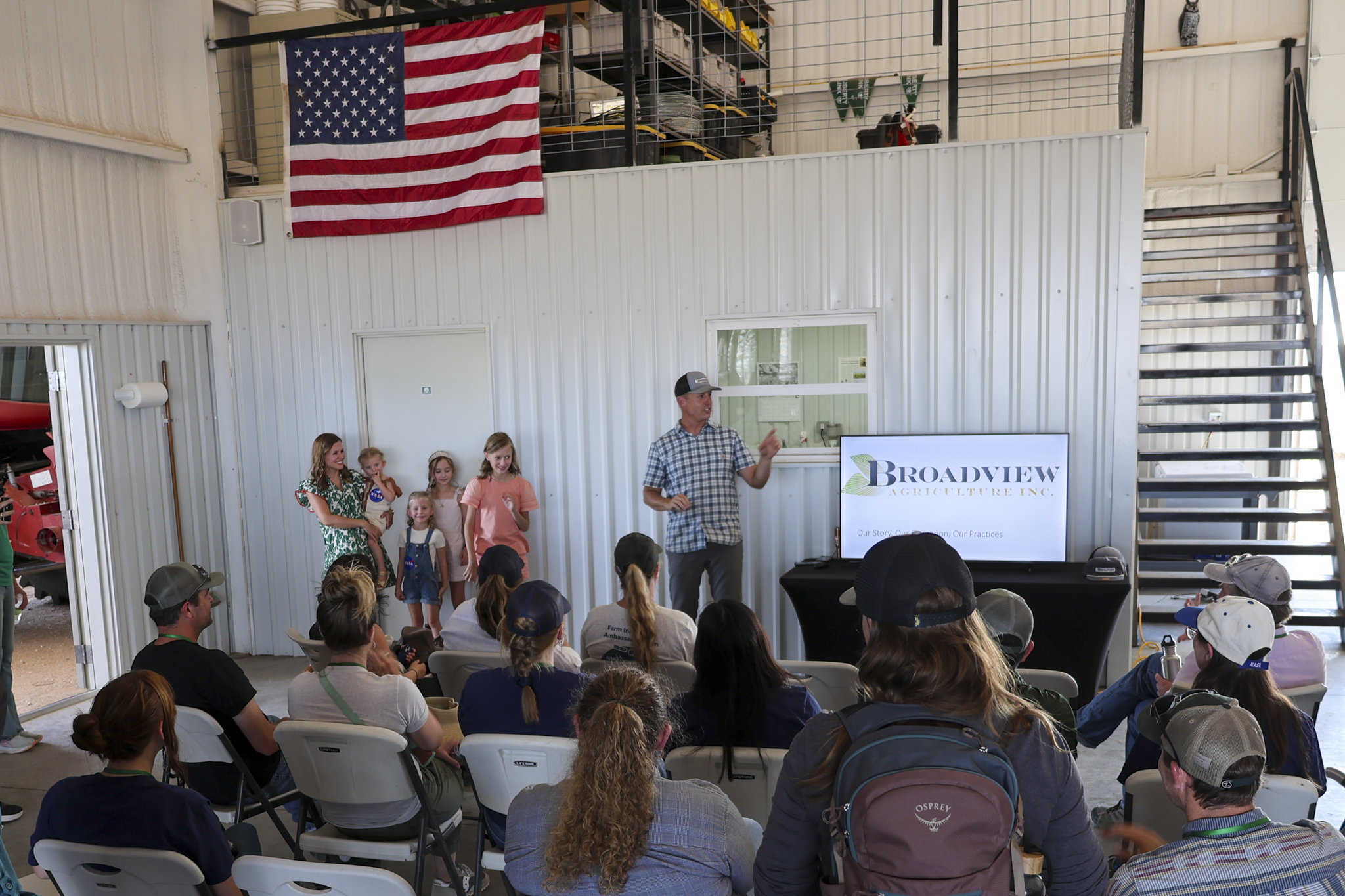
Cotton was similarly viewed not only as a crop in a field, but as an entire system. The tour brought the team to Broadview Agriculture in Lamesa, TX, where Jeremy and Sarah Brown shared their experience integrating regenerative practices, organic and conventional cotton, crop rotations and livestock into a working family operation. Separately, an industry roundtable brought NASA together with representatives from Cotton Incorporated, the U.S. Cotton Trust Protocol, Plains Cotton Growers, Plains Cotton Cooperative Association and Texas Tech University to discuss topics ranging from defoliation and residue management to yield forecasting, supply-chain traceability, agricultural data and privacy-protecting data infrastructure.
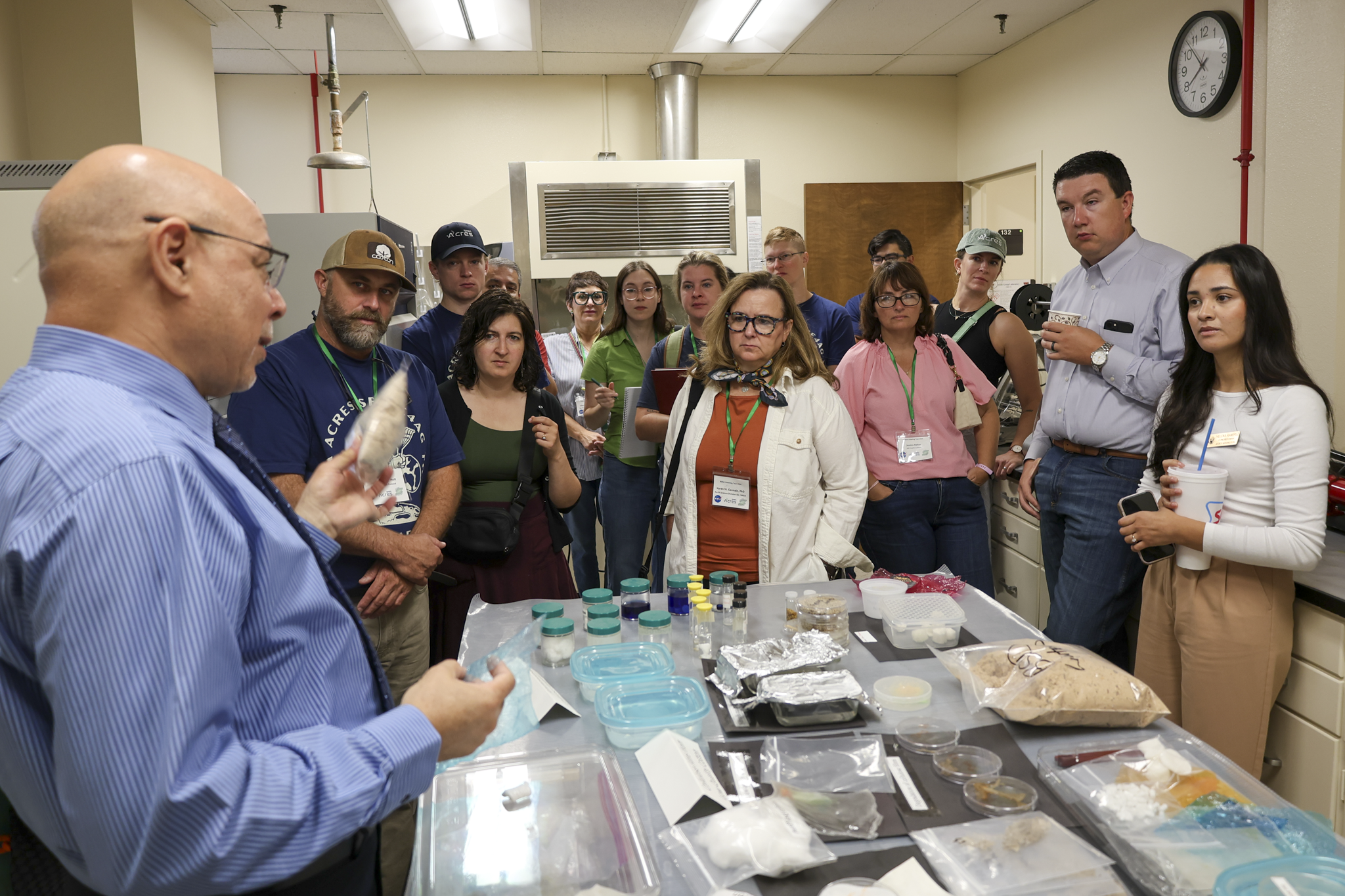
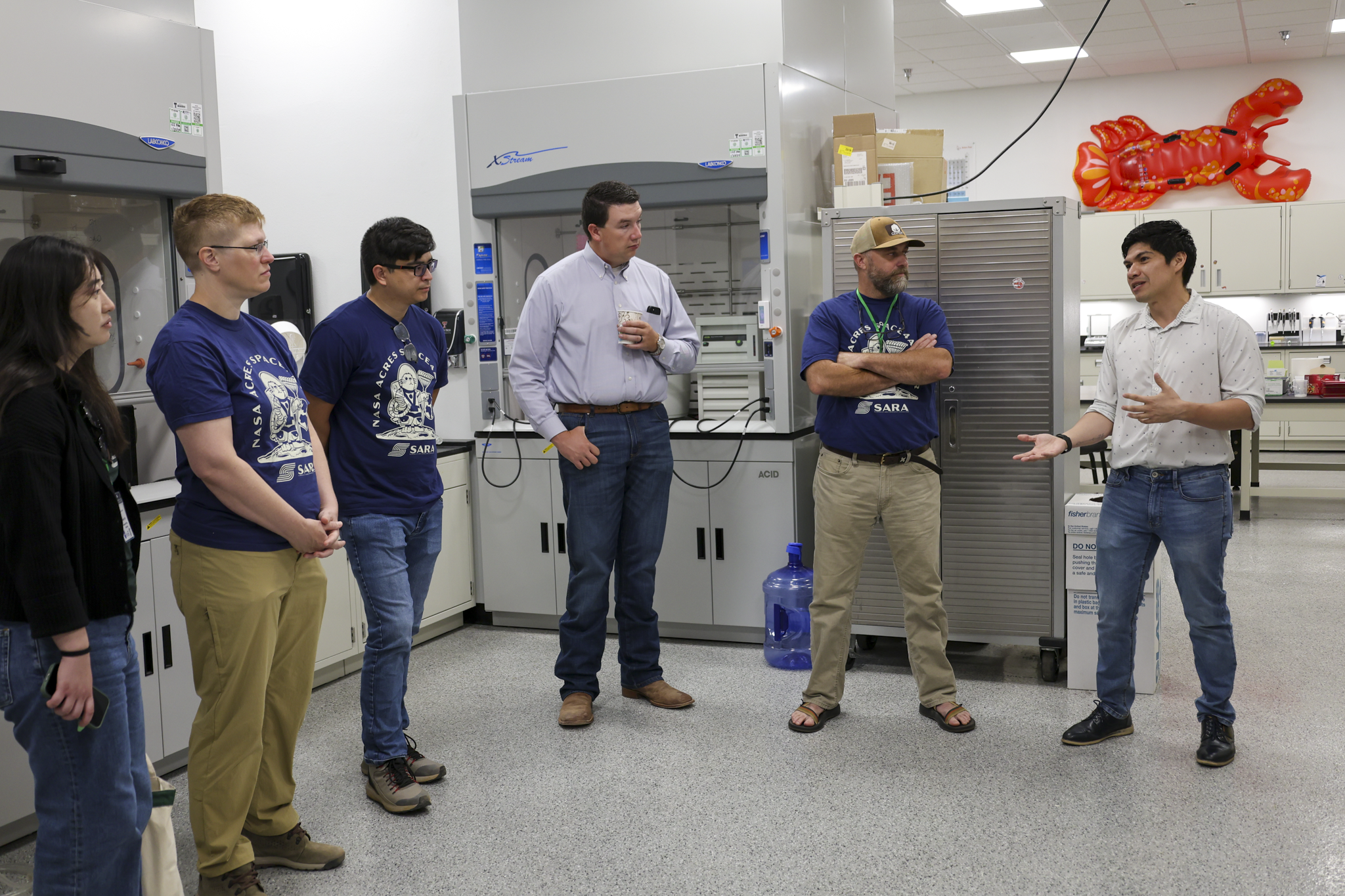
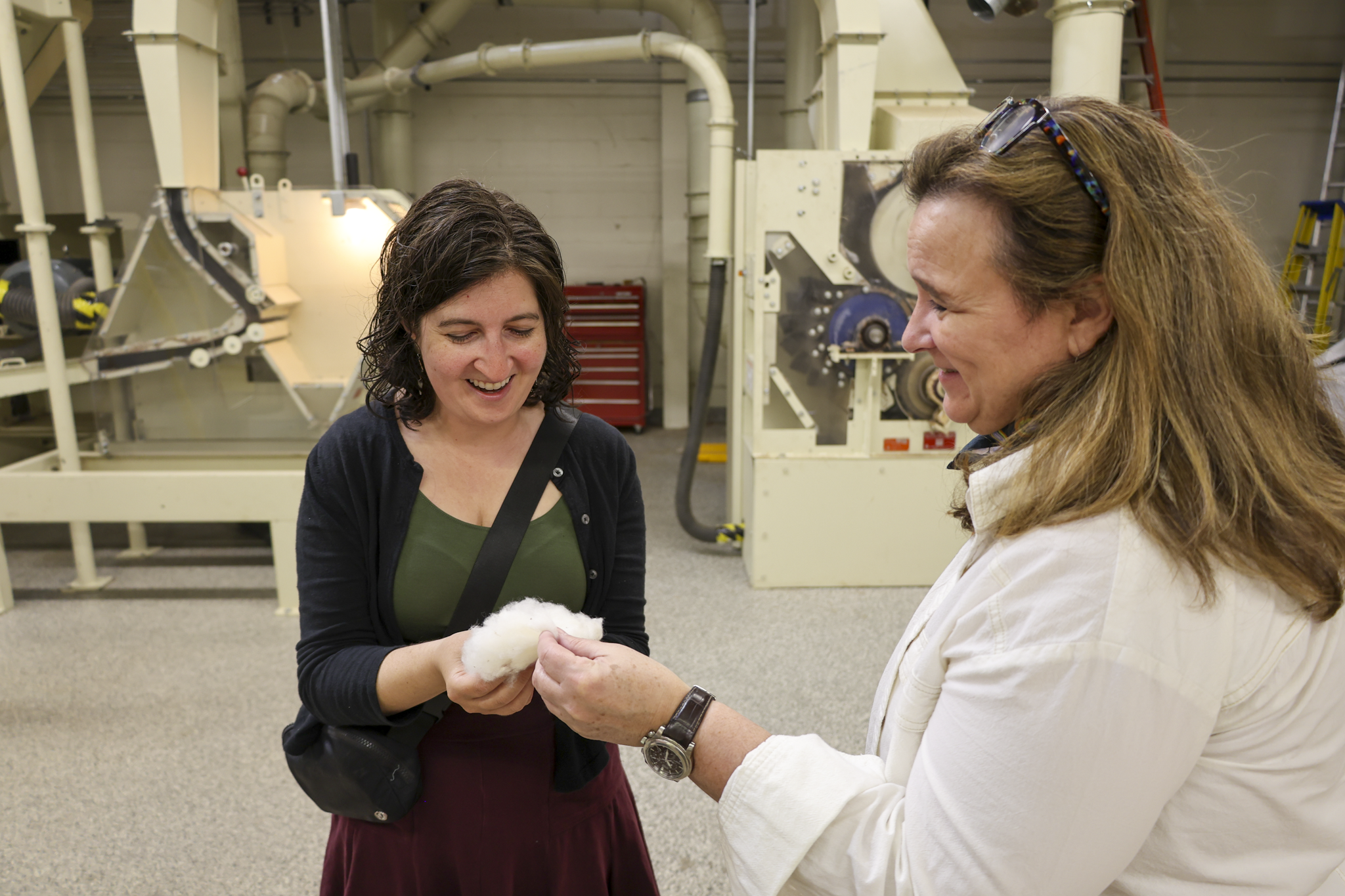
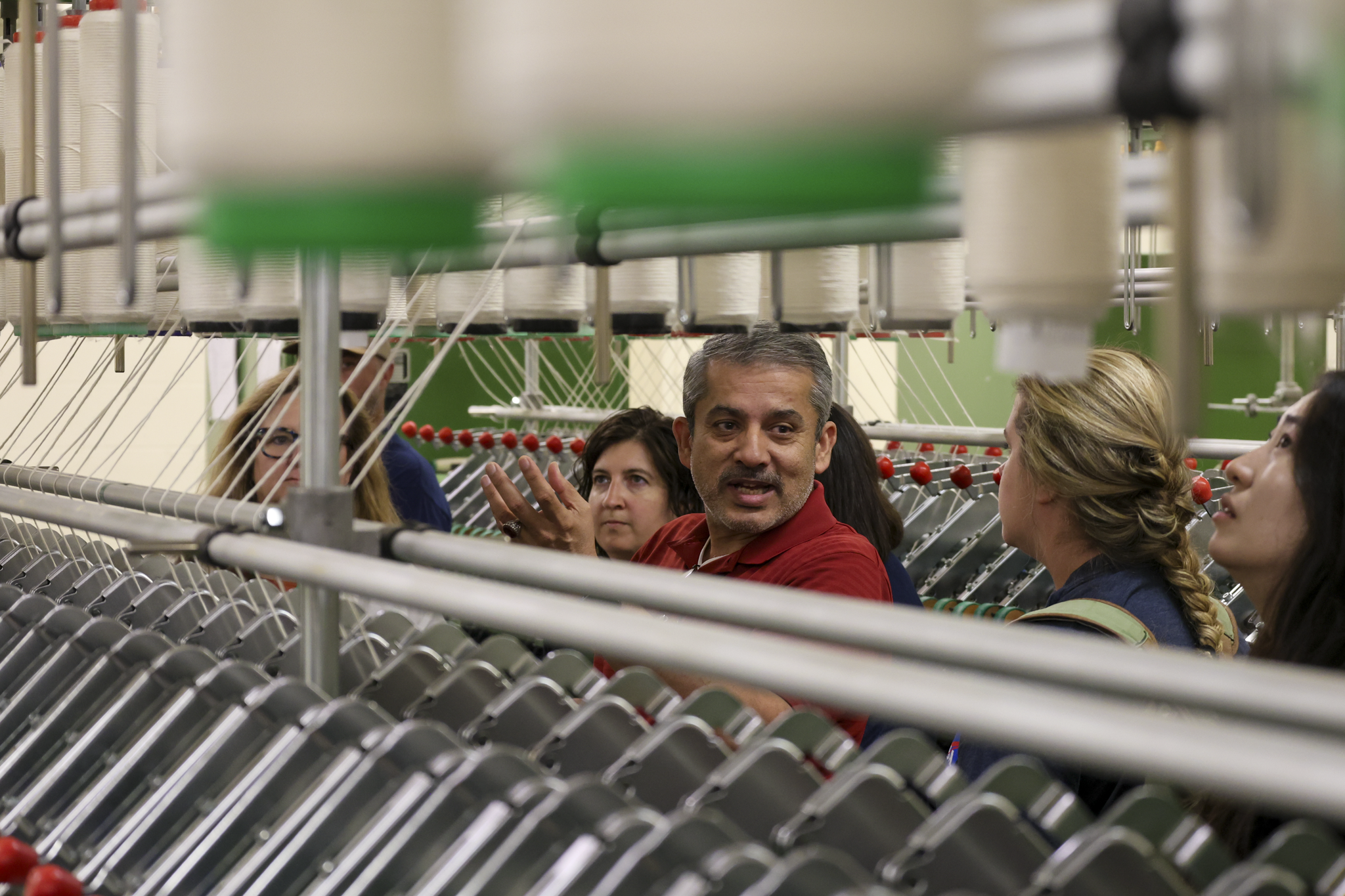
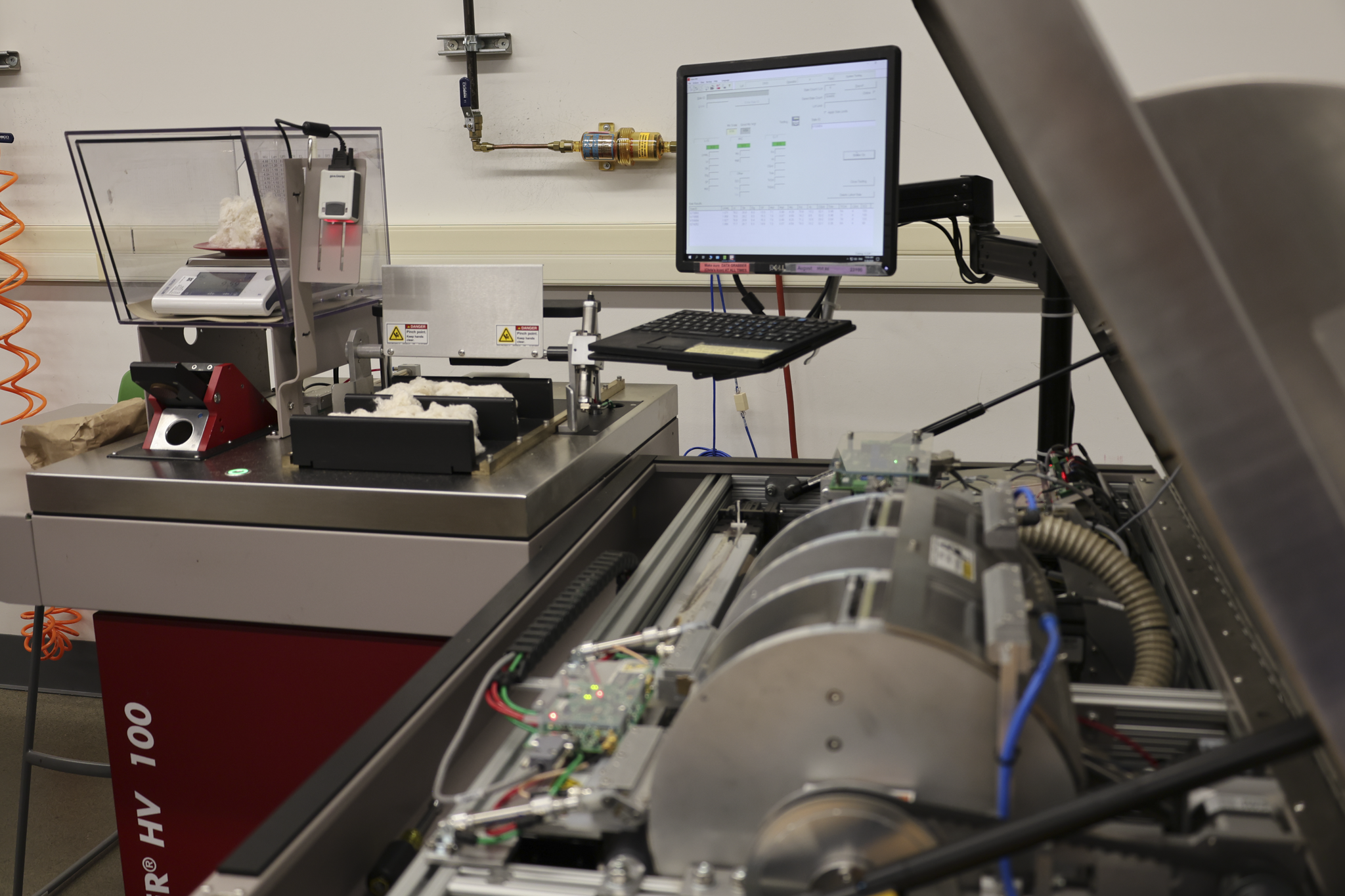
At the Texas Tech University Fiber and Biopolymer Research Institute, the NASA team followed cotton from seed through fiber, gaining a closer understanding of how decisions and measurements made in a field ultimately relate to fiber quality and the rest of the supply chain.
Those conversations are important to NASA Acres because the value of Earth observations does not end at the field boundary. Satellite data can potentially support decisions made by producers, researchers, commodity organizations, lenders, processors and others, but only if we understand the information each group needs the most.
Connecting satellite observations with what is happening in the field
Other stops focused more directly on the relationship between remote sensing and agricultural research.
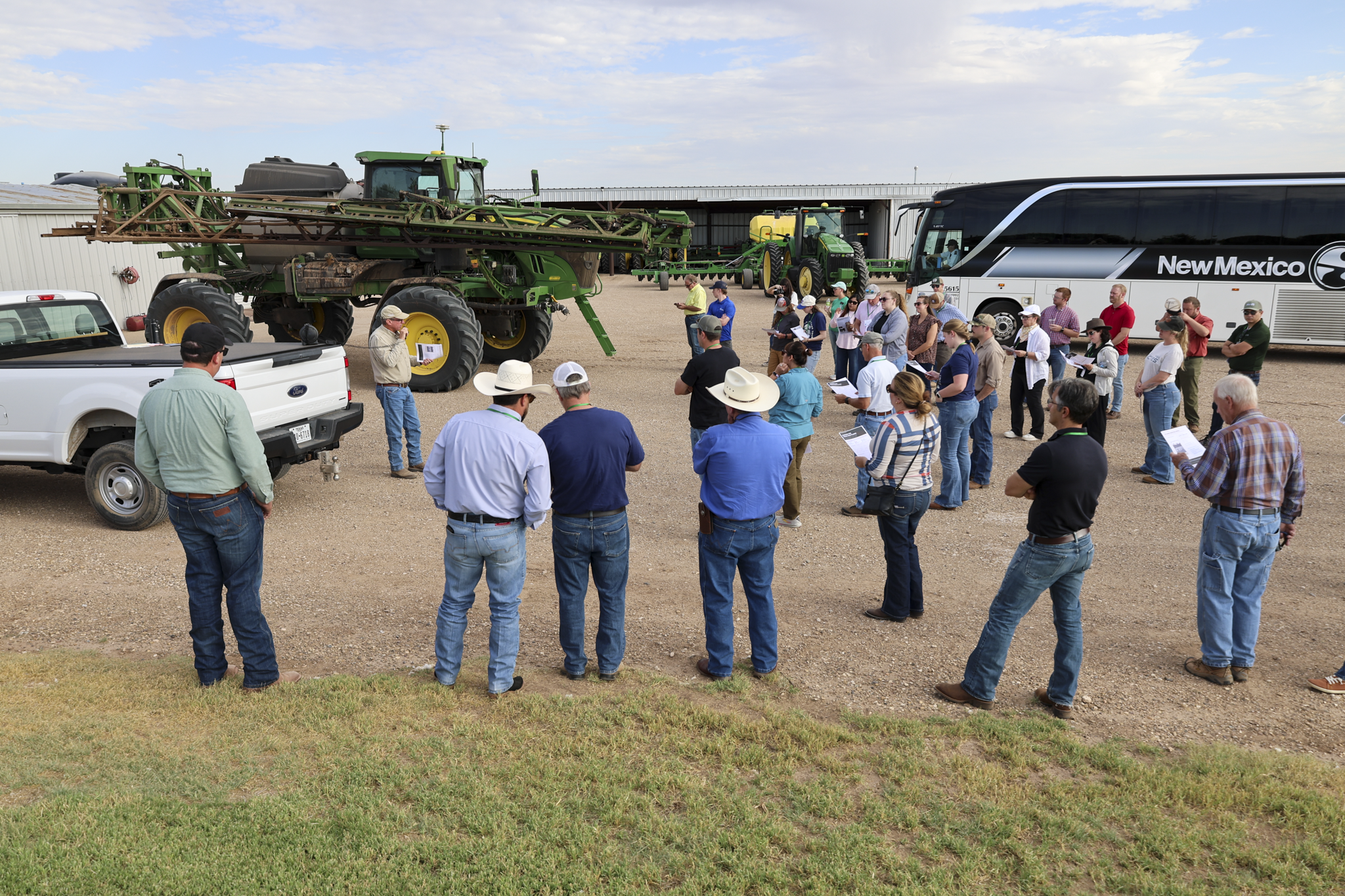
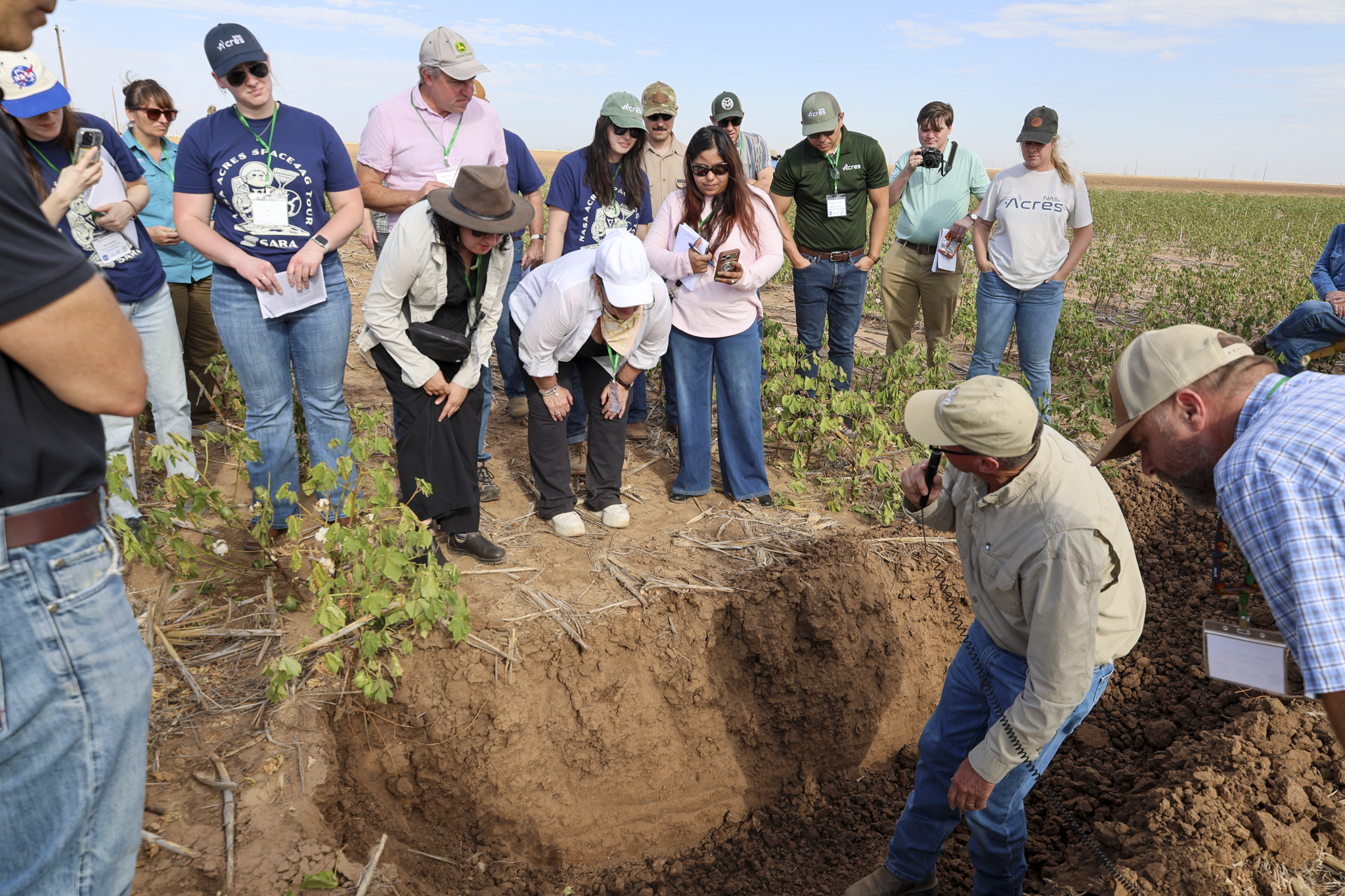
Near Kress, longtime conservation leader Barry Evans walked the group through an operation shaped by decades of work on no-till farming, water efficiency and adapting production to a declining aquifer. Dr. Ethan Triplett of the National Sorghum Producers added the perspective of sorghum as a crop particularly relevant to water-limited environments.
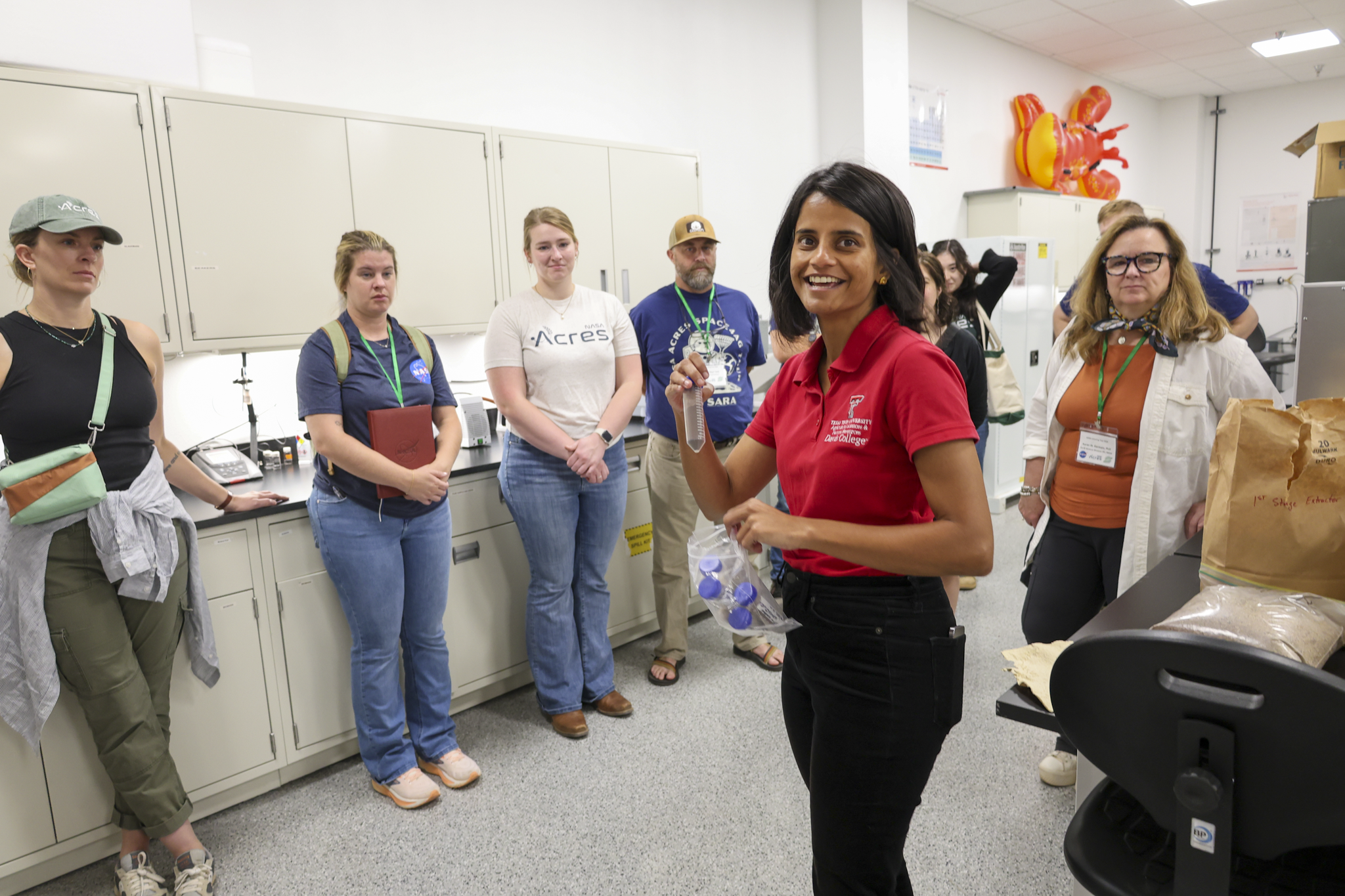
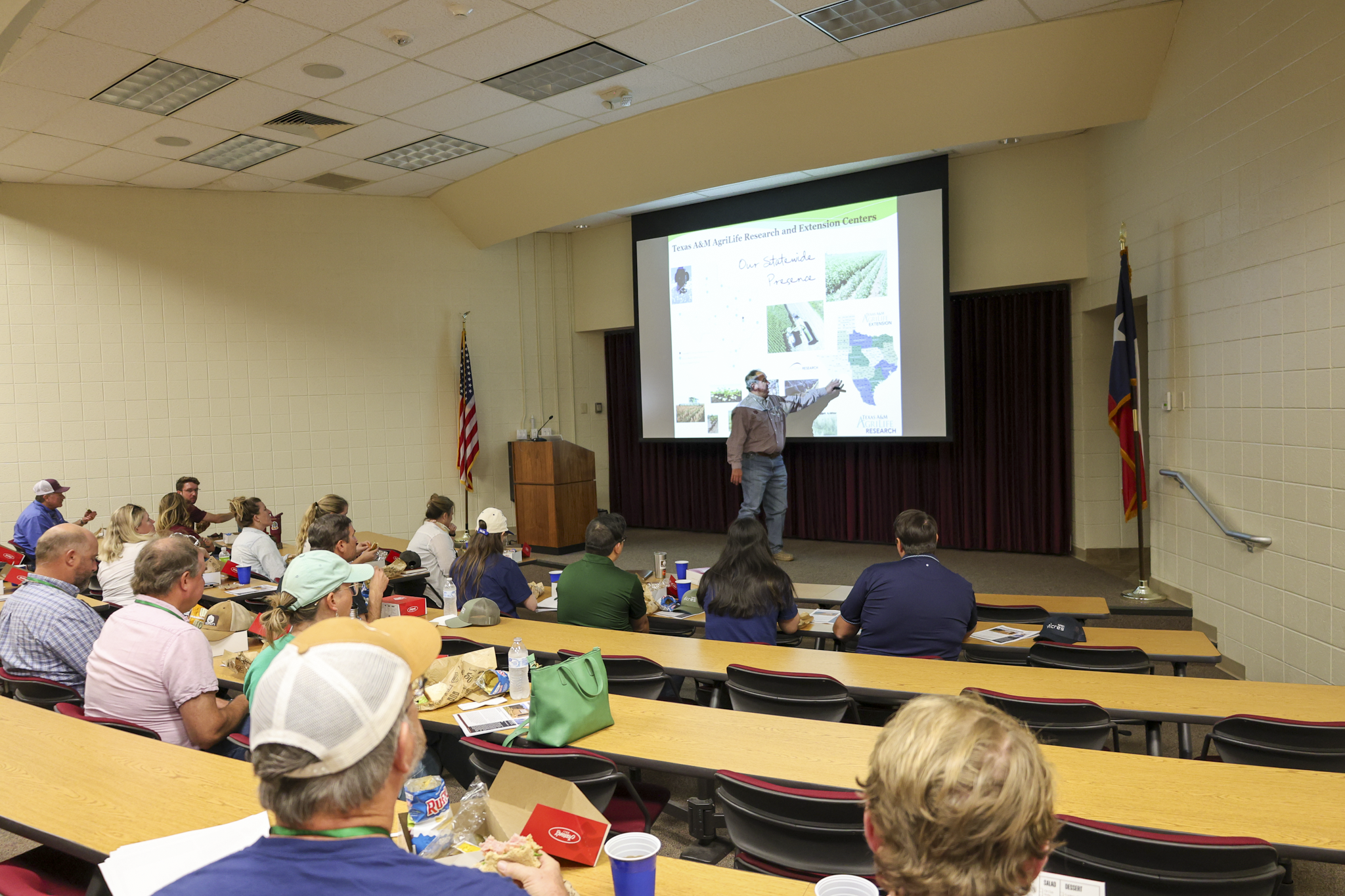
At the Texas A&M AgriLife Research and Extension Center in Lubbock, the conversation shifted to one of the most important ingredients in useful satellite science: high-quality information from the ground.
Center Director Dr. Todd Baughman and researchers including Dr. Katie Lewis, Dr. Joseph Burke and Dr. Ken Lege shared ongoing work in soil health, cropping systems, weed science, cotton and conservation. Lewis’ team had already contributed field data supporting previous NASA research on cover crops, illustrating how established agricultural research infrastructure can complement NASA’s ability to observe large areas consistently from space.
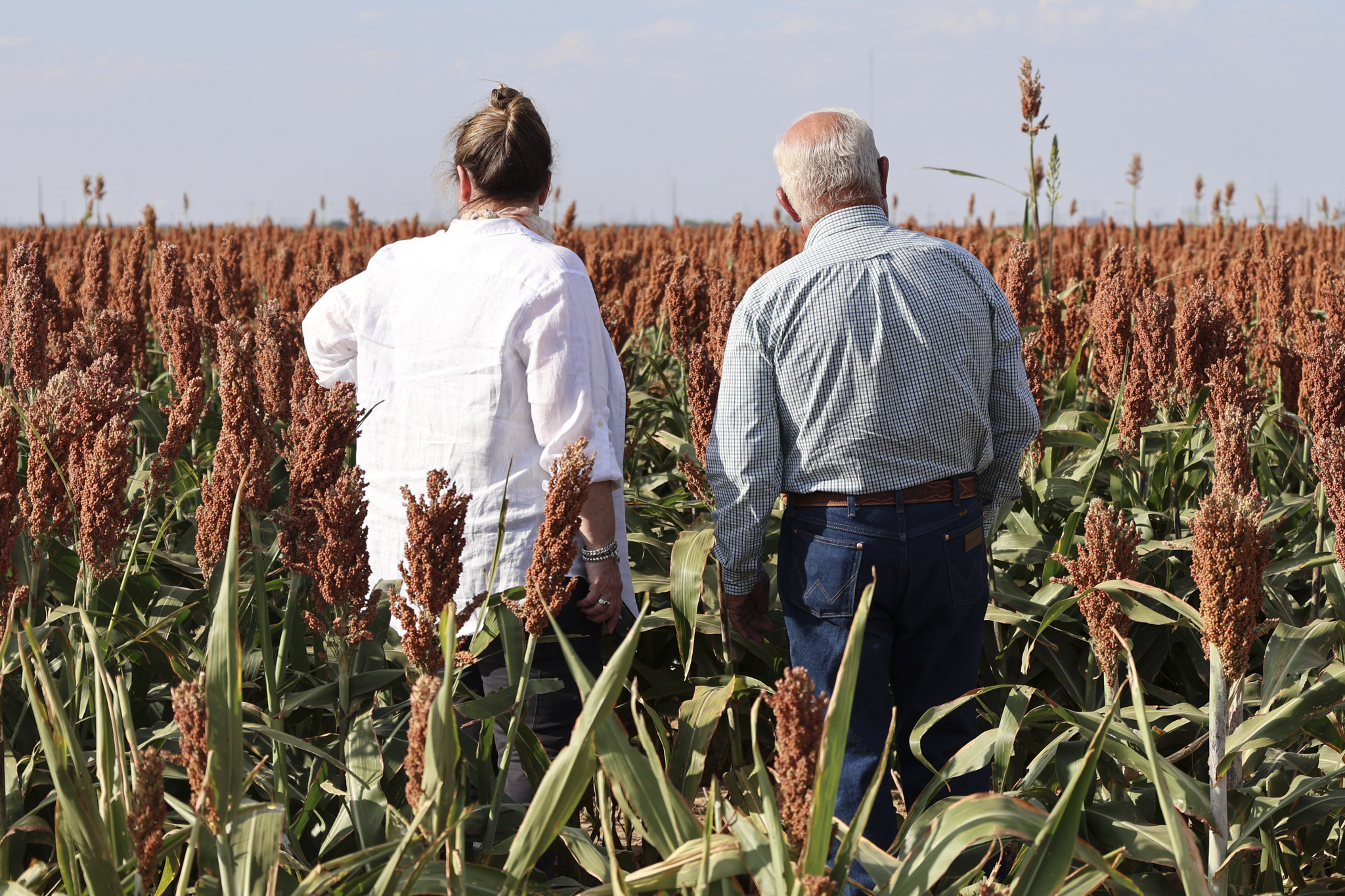
Satellites provide extraordinary scale, but producing information farmers can trust requires connecting those observations with field measurements, agronomic expertise and the experience of producers themselves.
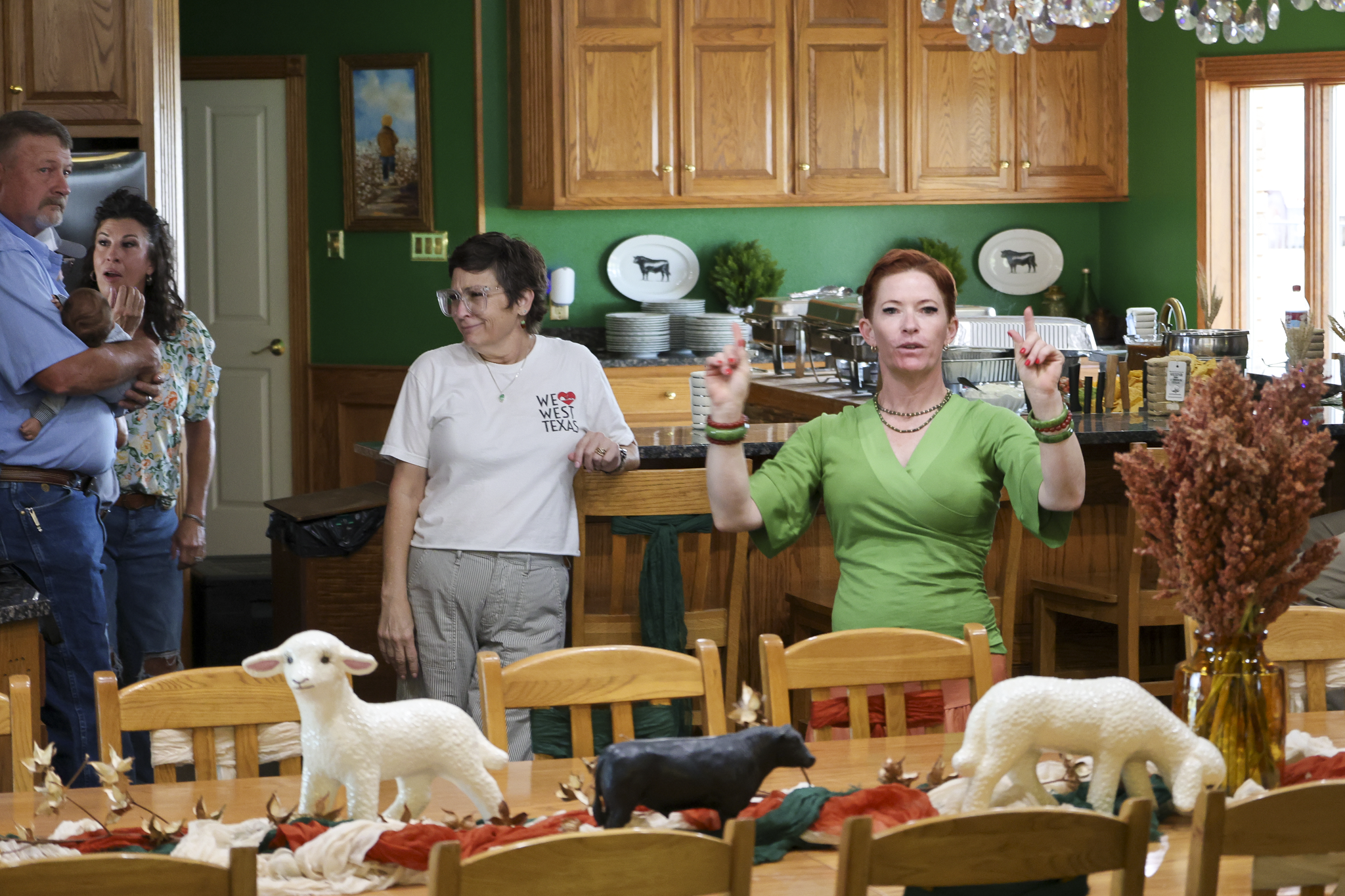
The Texas leg continued at Broadview Agriculture and then Vardeman Farms, where Dean Vardeman and FIAT Steering Committee member Lacy Vardeman hosted a roundtable dinner with area producers, researchers and industry.
Those less formal conversations were among the most important parts of the week. Farmers could speak candidly about research, technology, economics, data sharing and what makes a collaboration worth their time. For NASA Acres, those insights directly inform efforts to develop research relationships in which producers retain agency over their data and have a meaningful role in defining the work.
Hosts and guides — including Tillery Timmons-Sims, Sarah Burnett, Billy Tiller, Dusty Timmons and Michael Ratke — helped make those conversations possible by connecting the NASA team with the people, organizations and issues shaping agriculture across the region.
From cropland to rangelands in Oklahoma
Crossing into Oklahoma broadened the conversation again, first moving from crops to rangelands.
At Bergen Ranch near Sulphur, Susan Bergen welcomed the NASA team for a tour of a large regenerative ranch followed by an evening roundtable with representatives from Oklahoma State University, the National Weather Center, NRCS, industry and members of Oklahoma’s federal delegation.
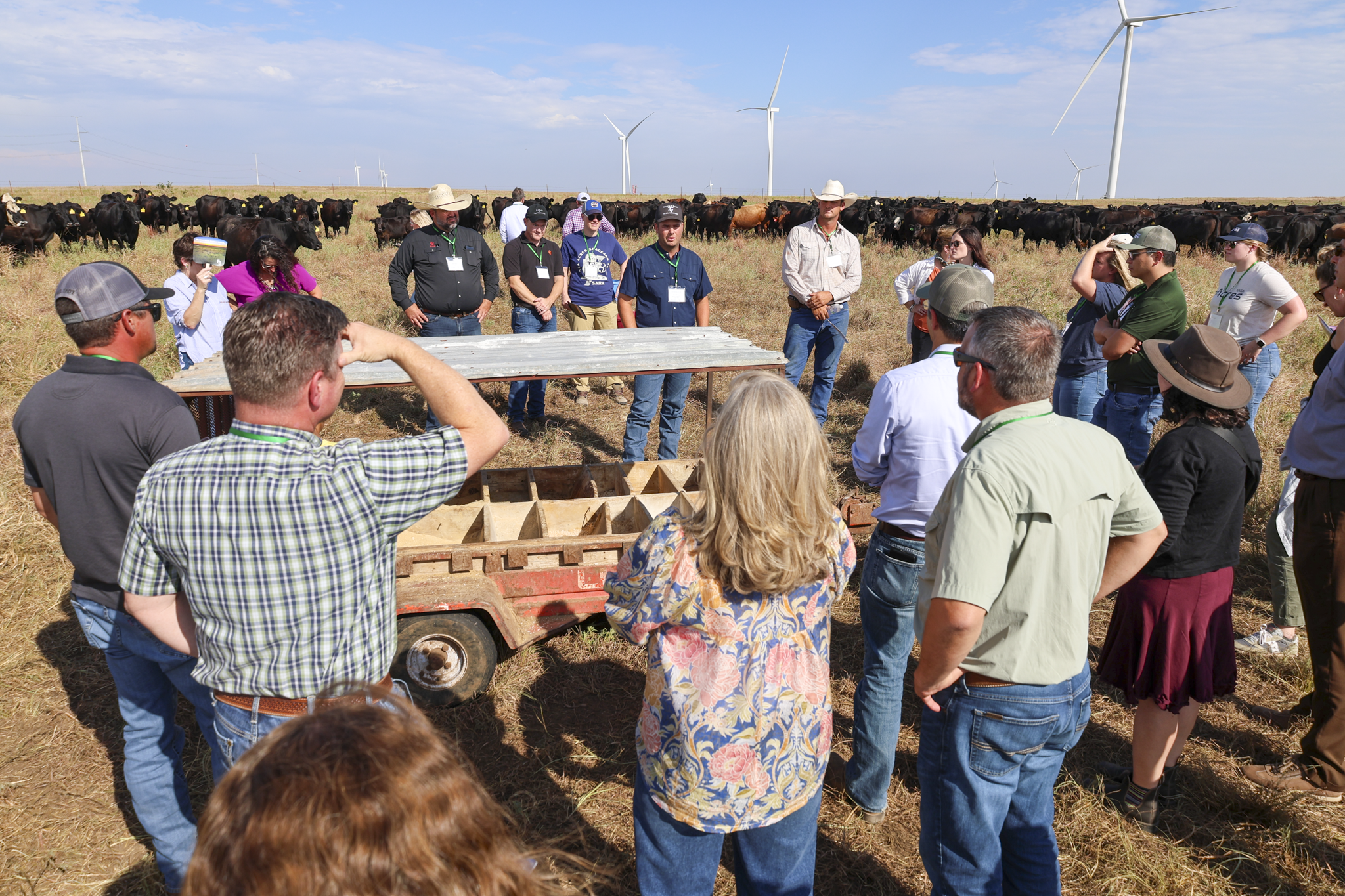
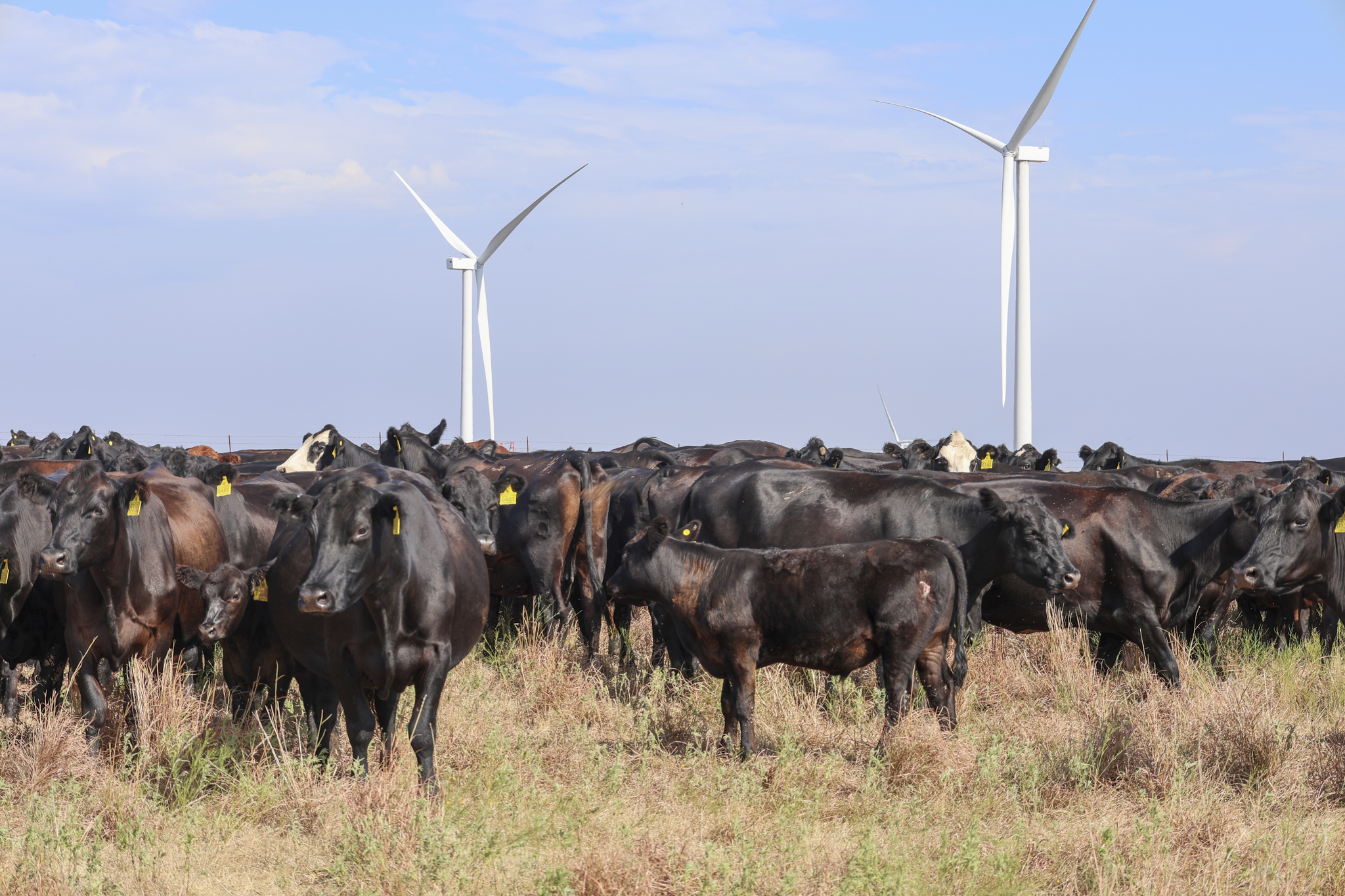
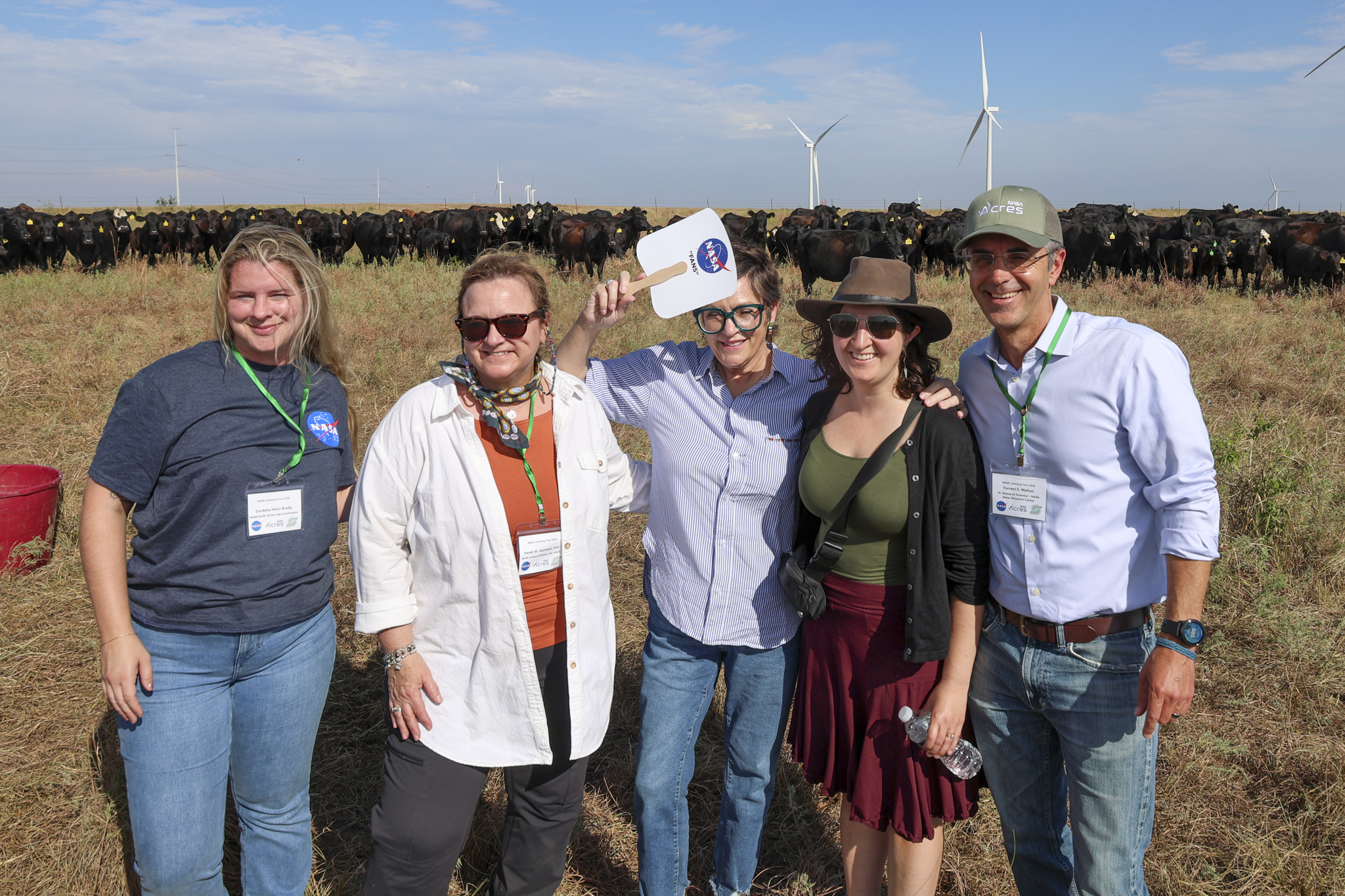
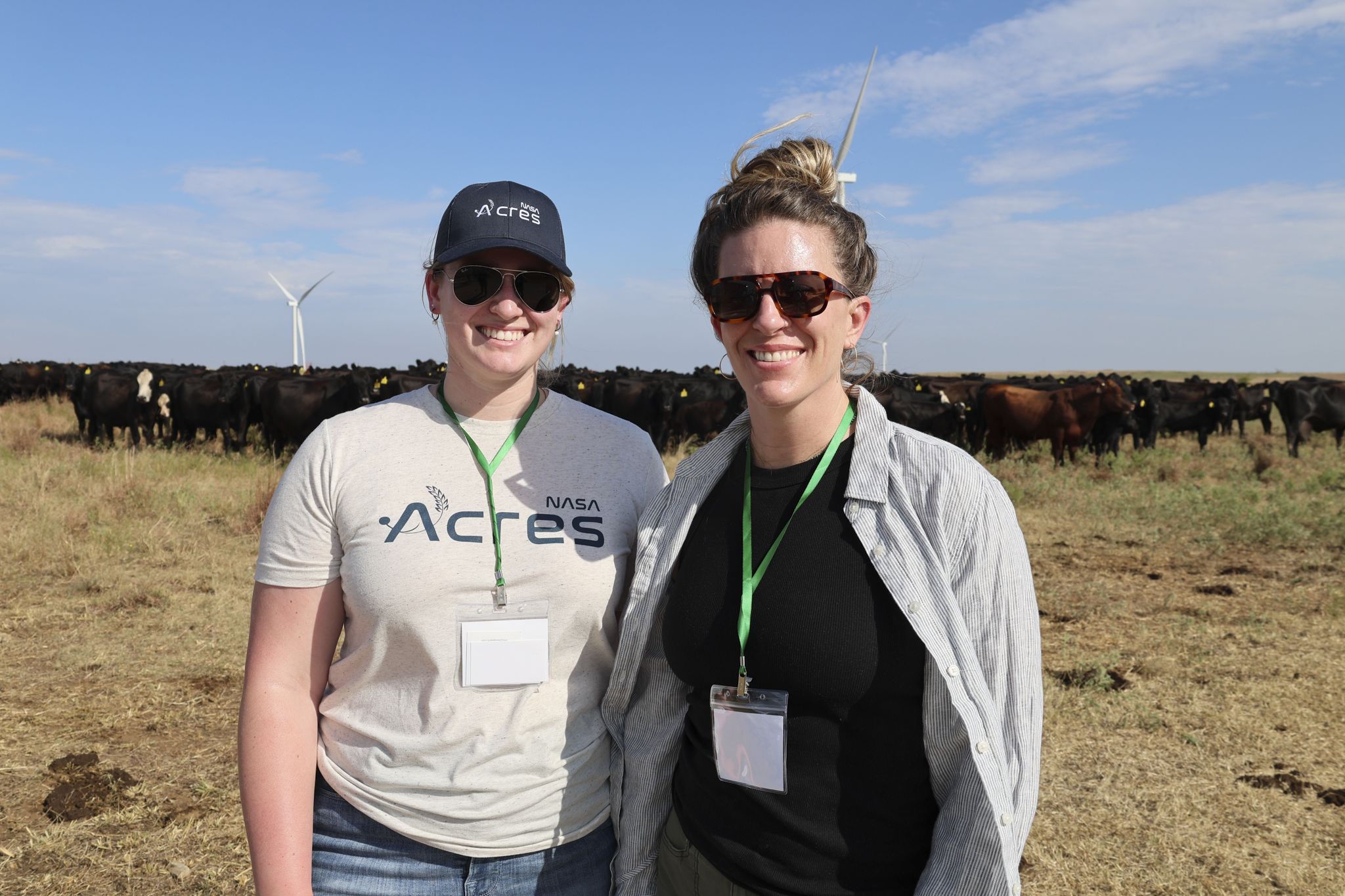
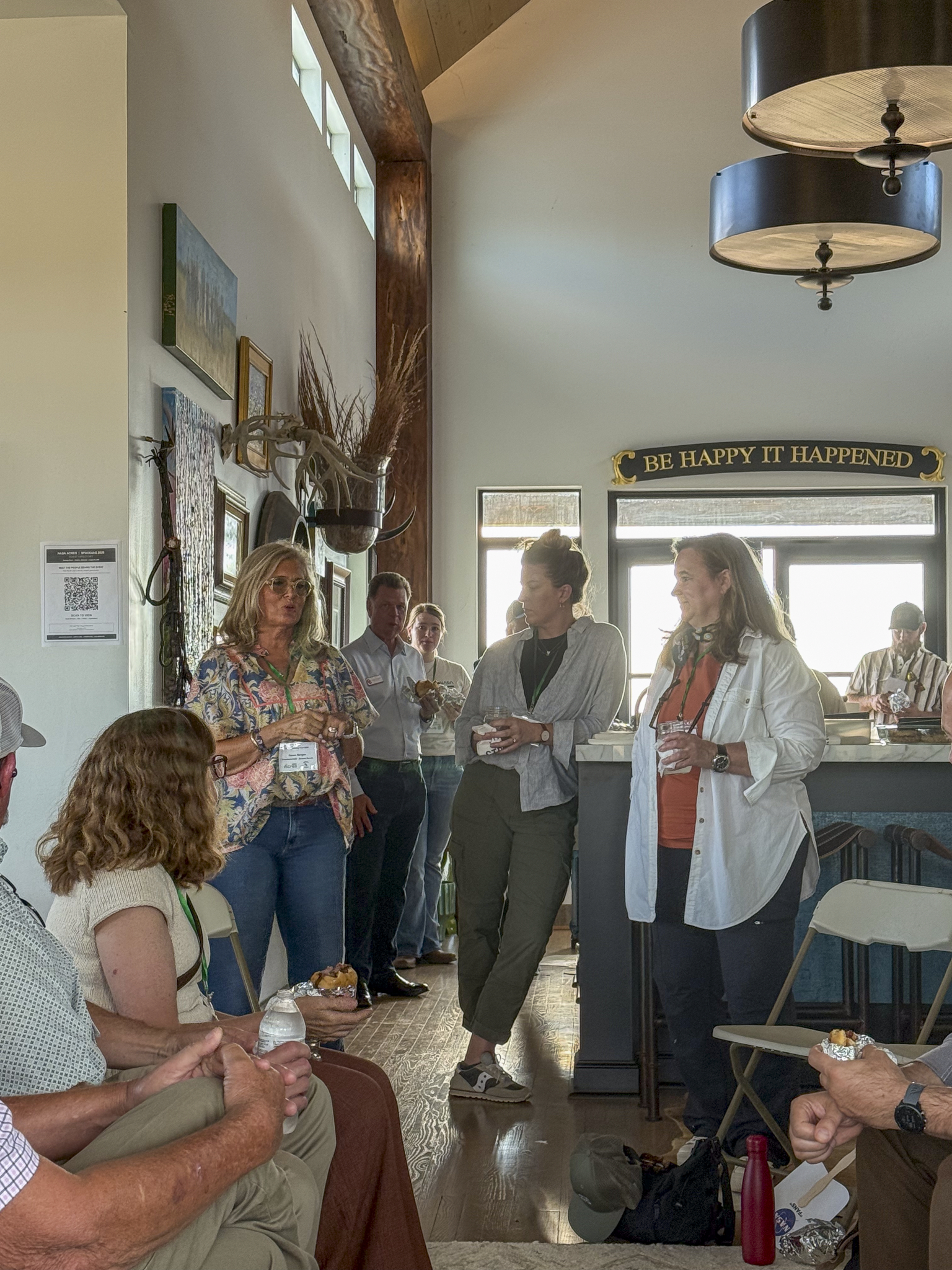
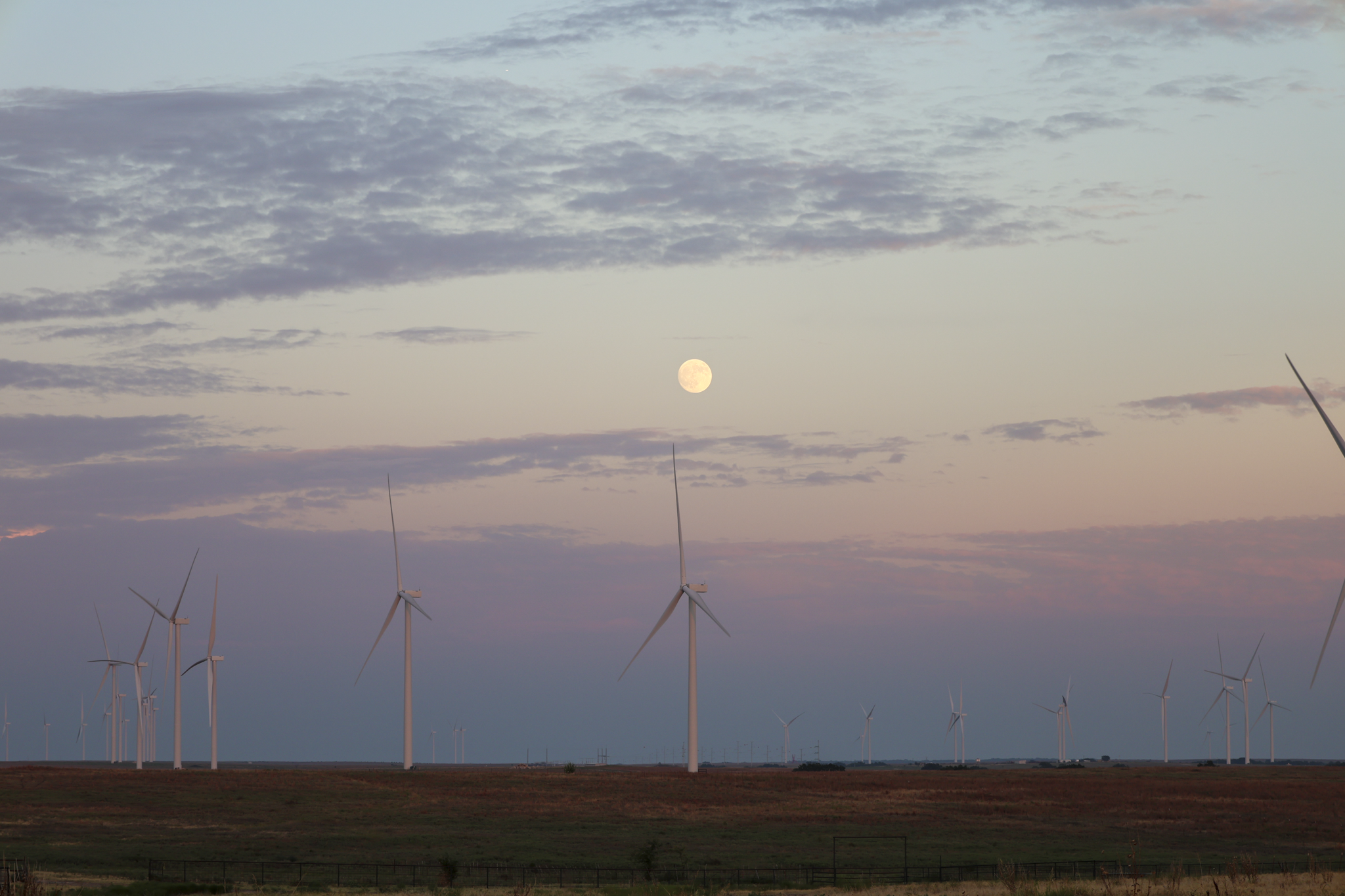
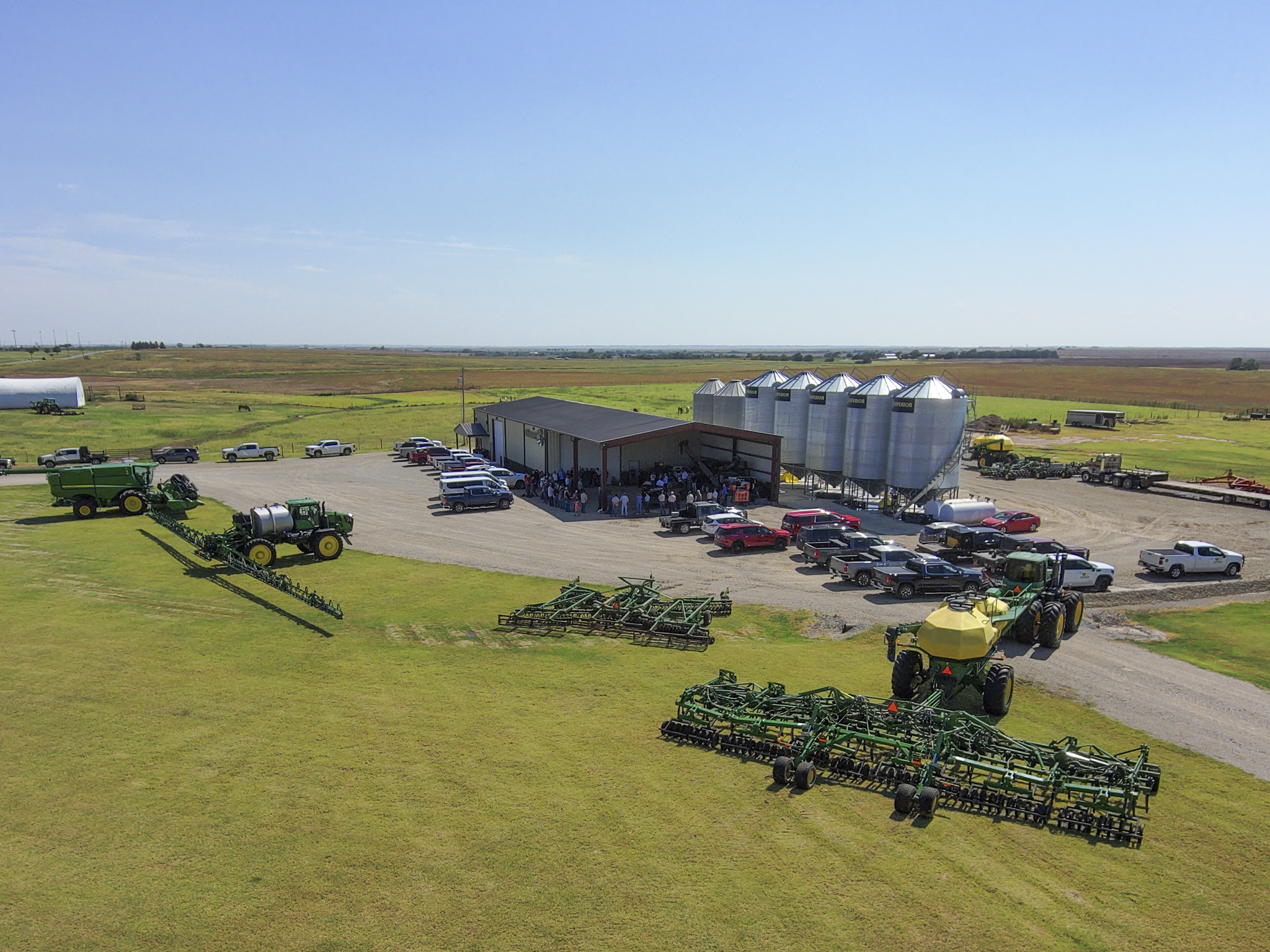
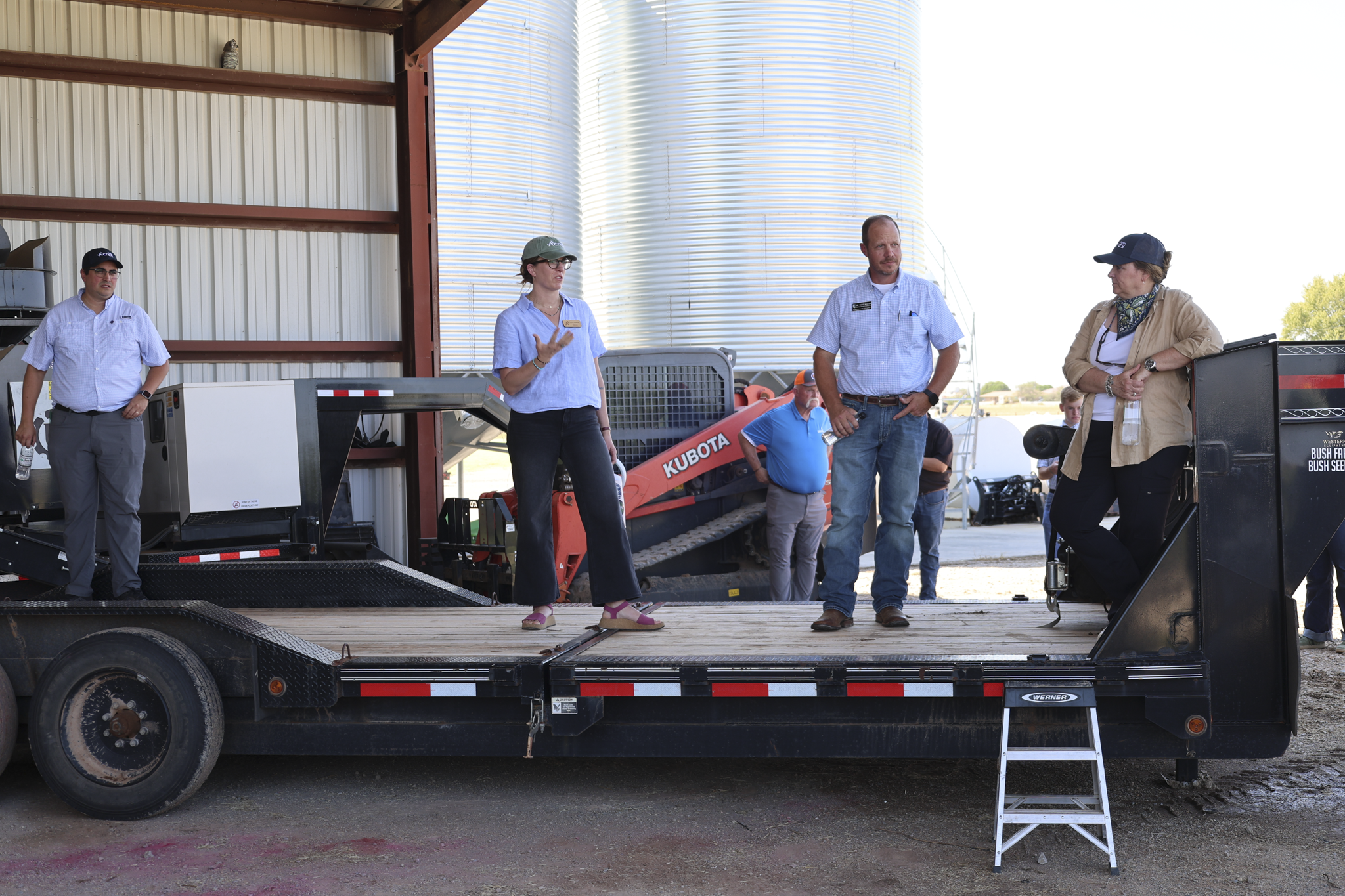
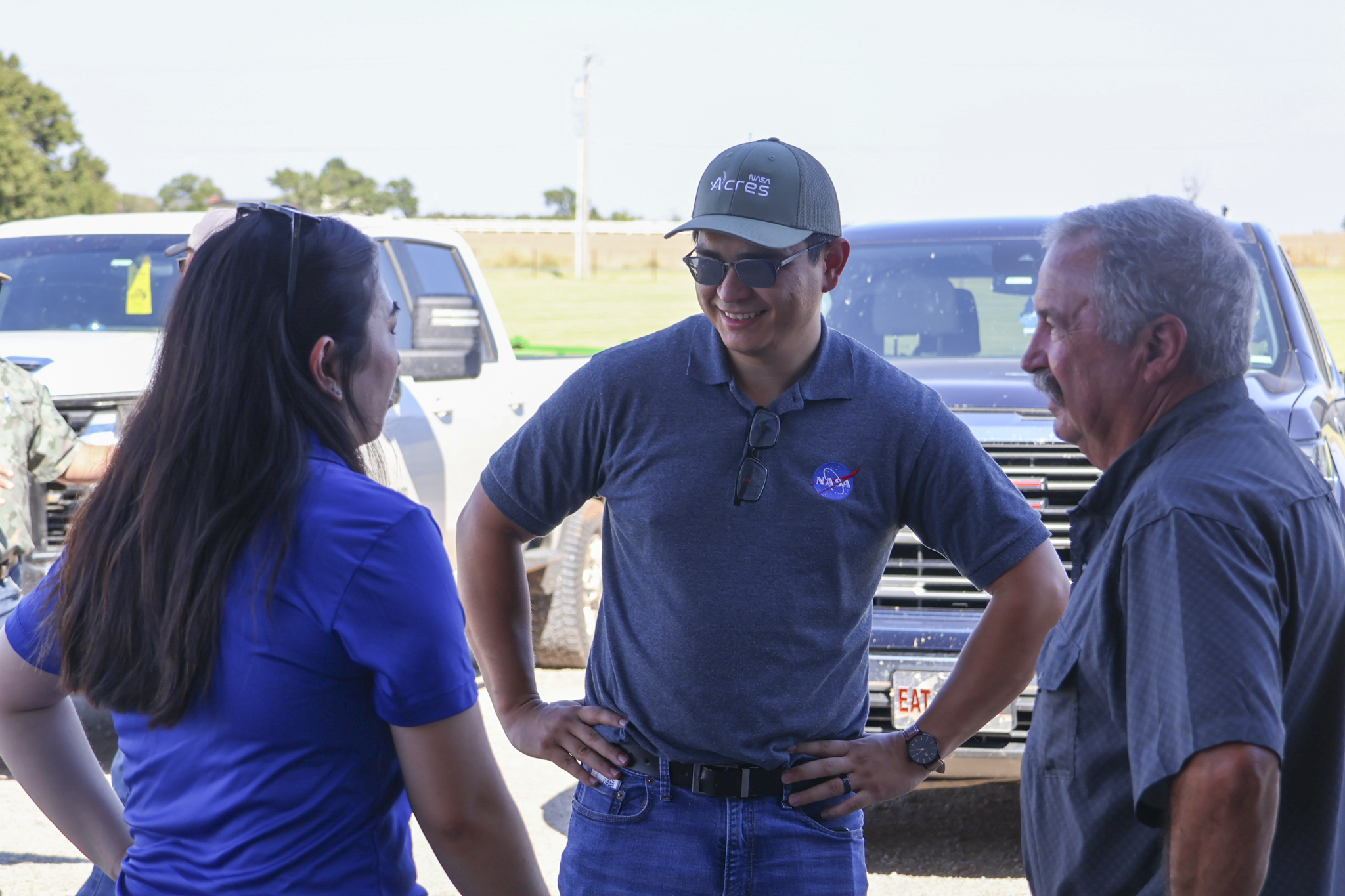
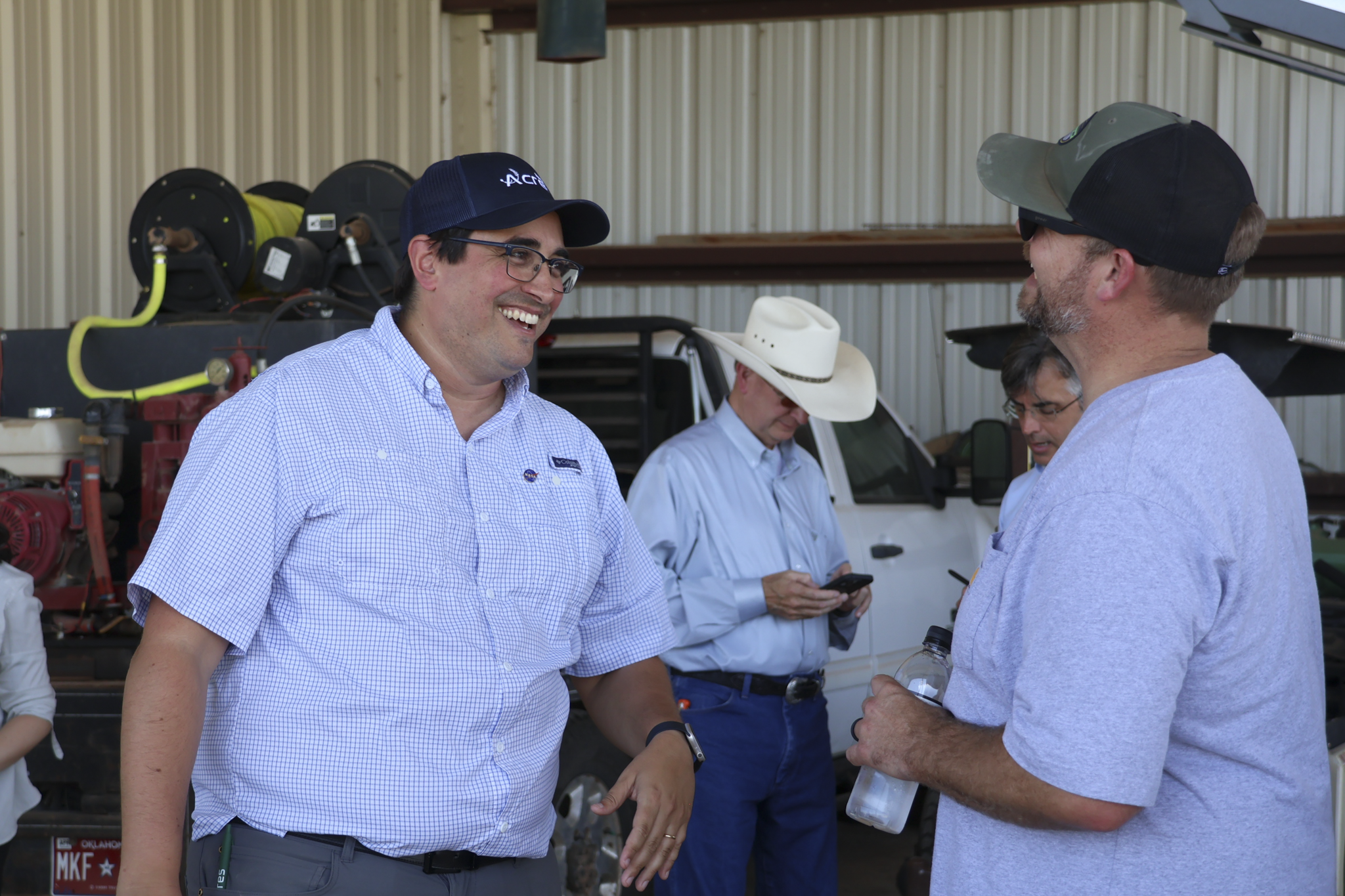
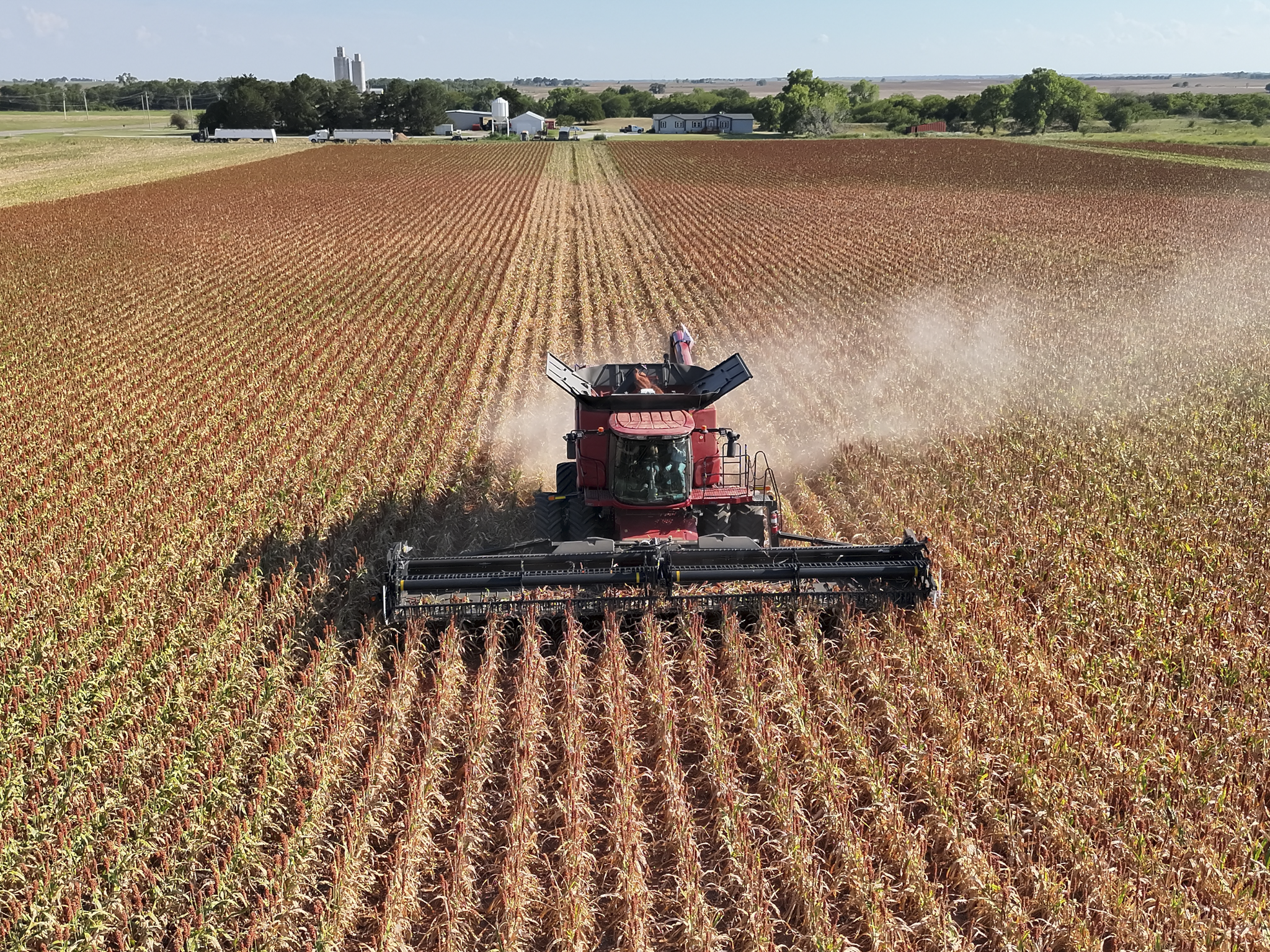
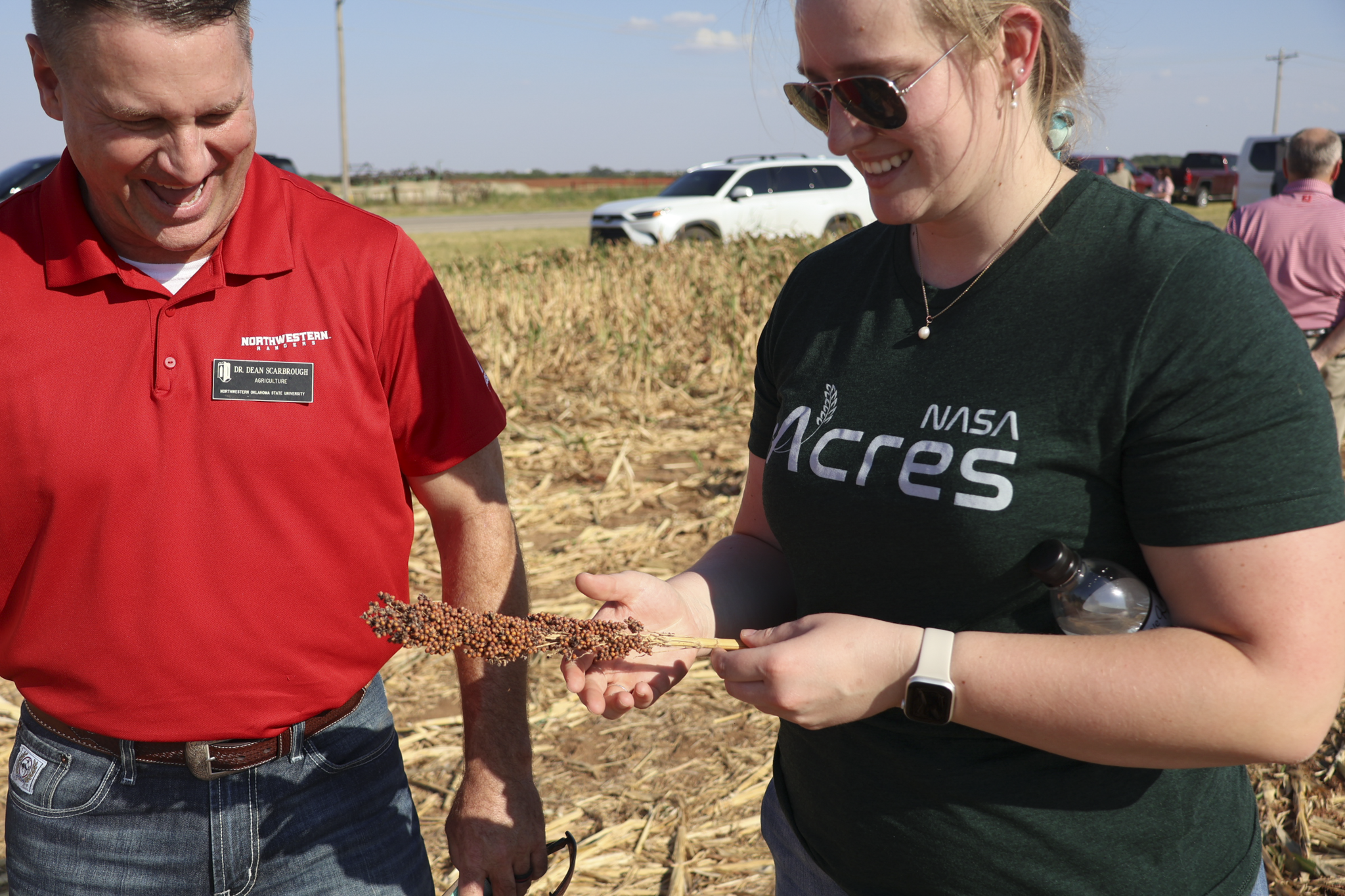
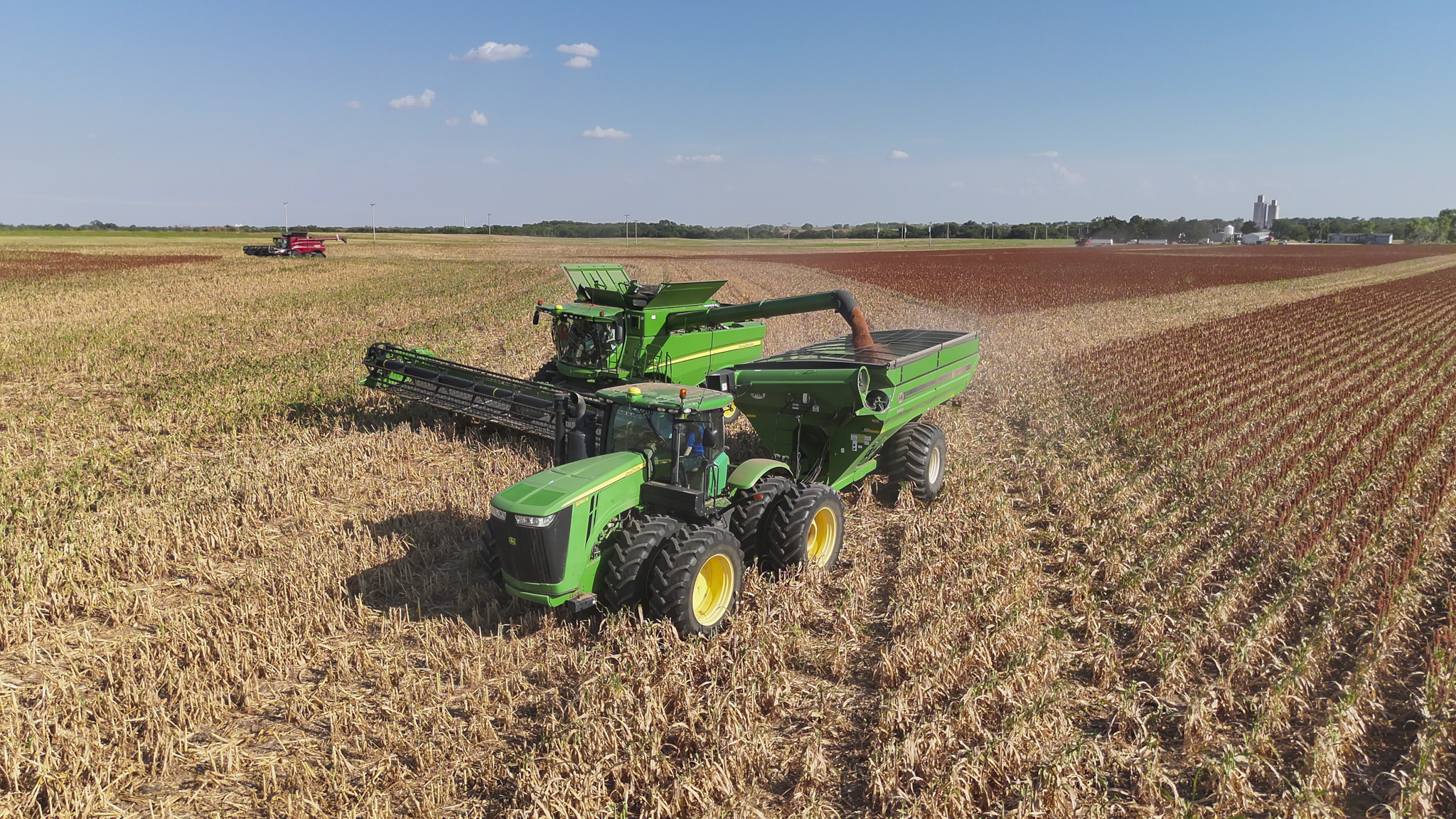
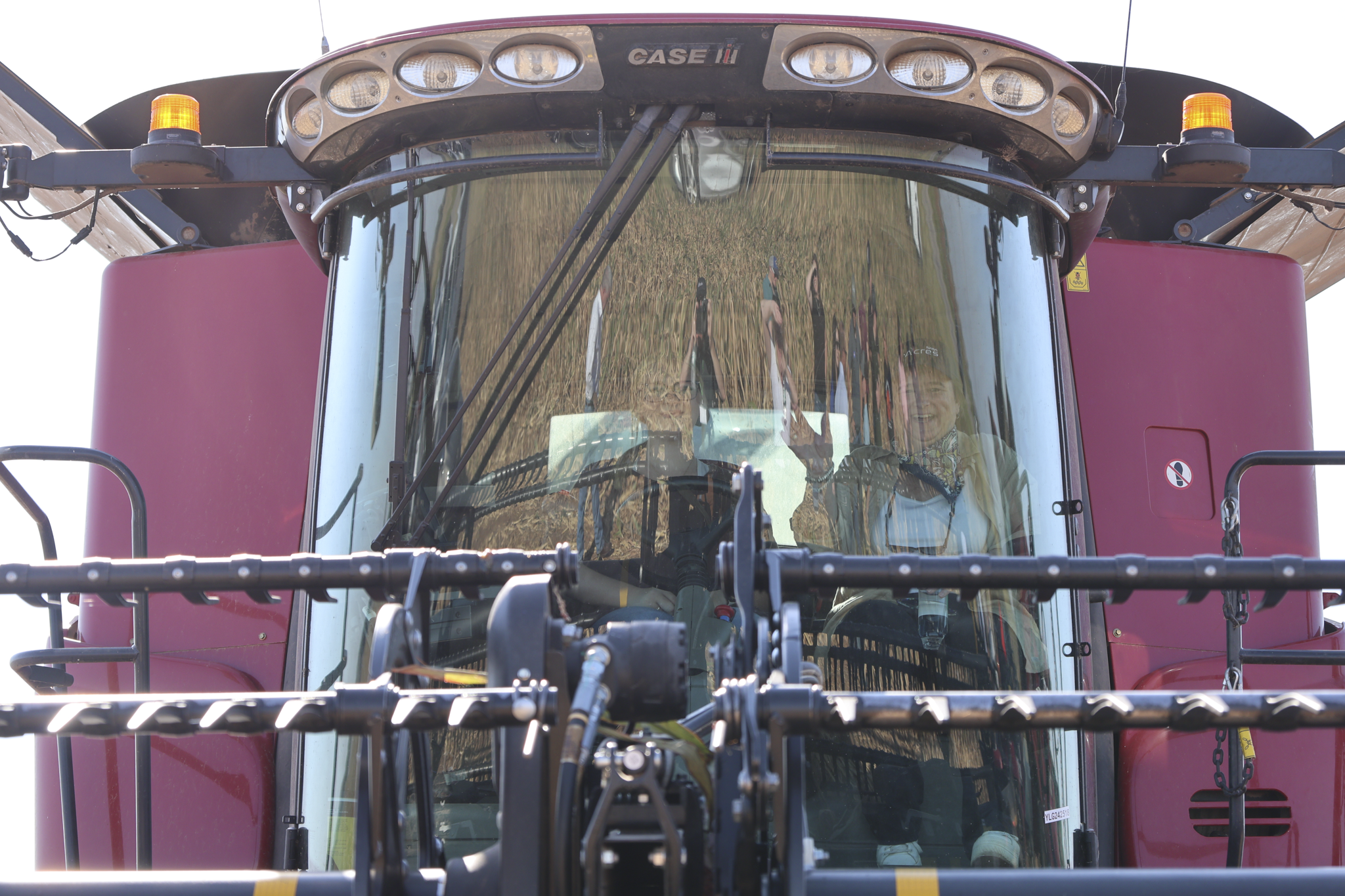
Hundreds of millions of U.S. acres are pasture and rangeland, with producers making decisions about forage, grazing, water, soil health, vegetation and risk across landscapes that can be difficult to monitor from the ground alone. The visit provided an opportunity to explore where NASA’s observations might complement the work already underway by ranchers and researchers.
The following day, FIAT member Dr. Kent Martin led the group north to Northwestern Oklahoma State University in Alva.
A sixth-generation farmer and rancher as well as an agronomist, Martin represents exactly the type of connection FIAT was built to strengthen: someone who understands agricultural decisions from the farm level while also understanding what remote sensing and research can offer.
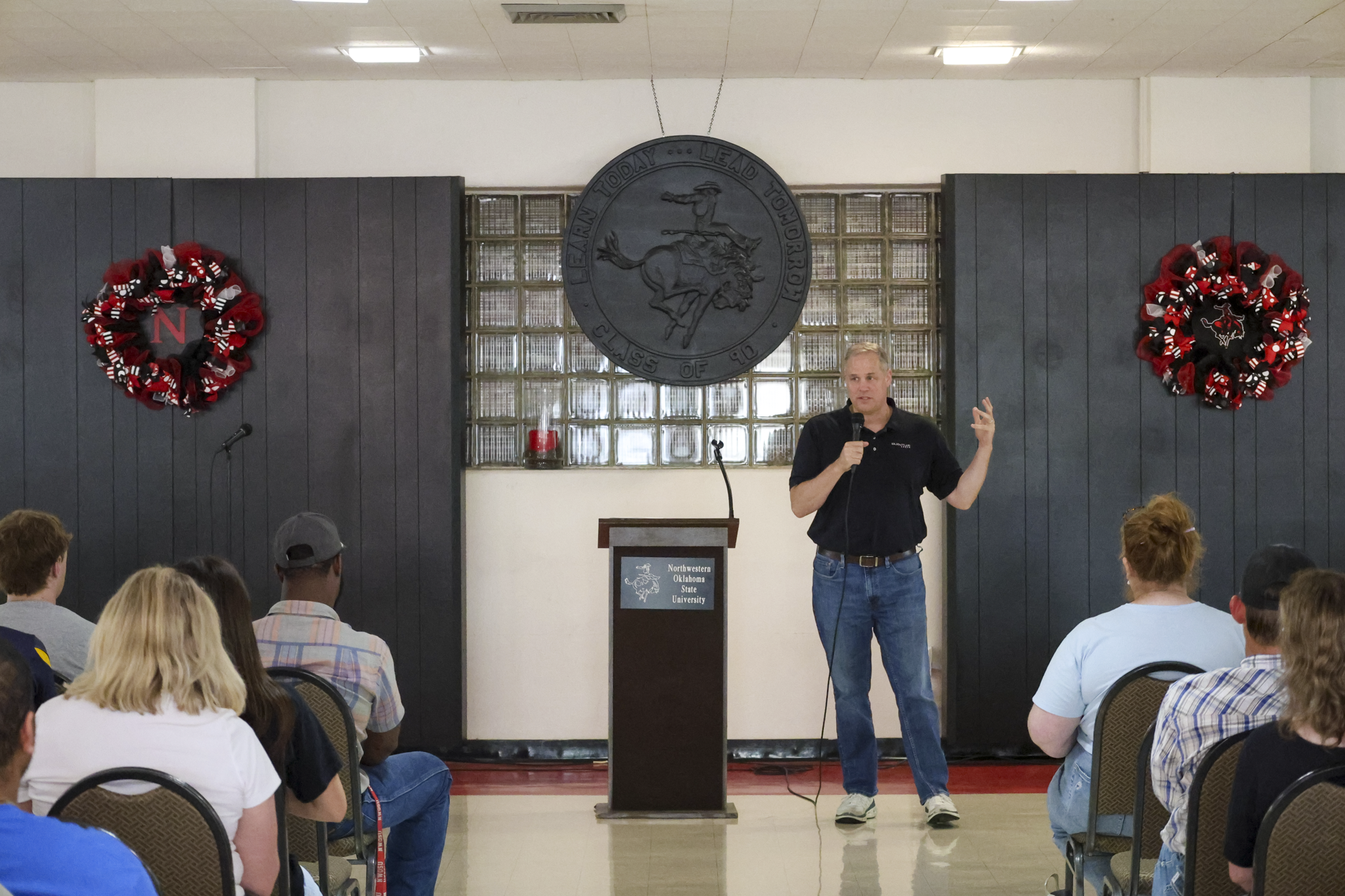
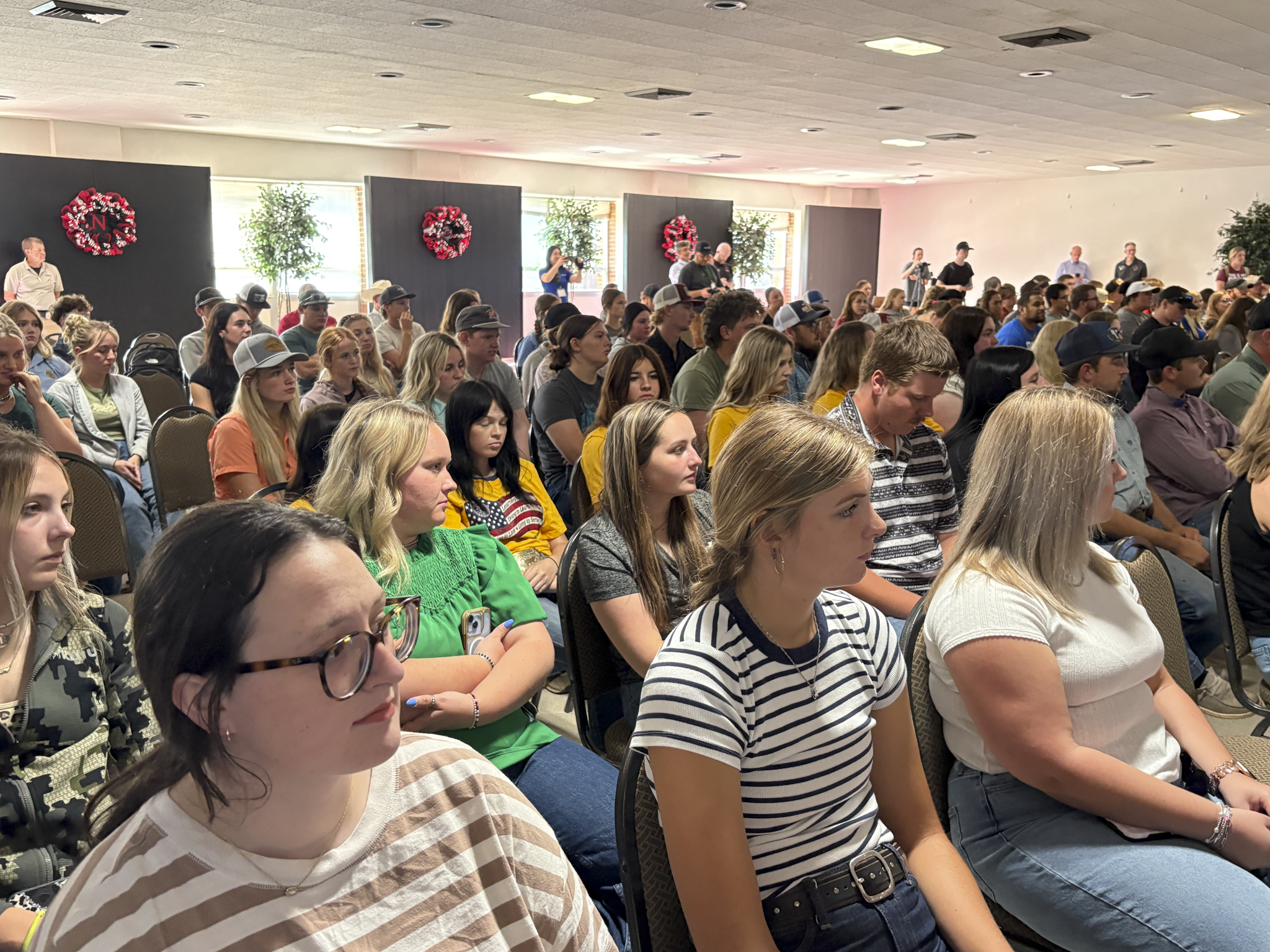
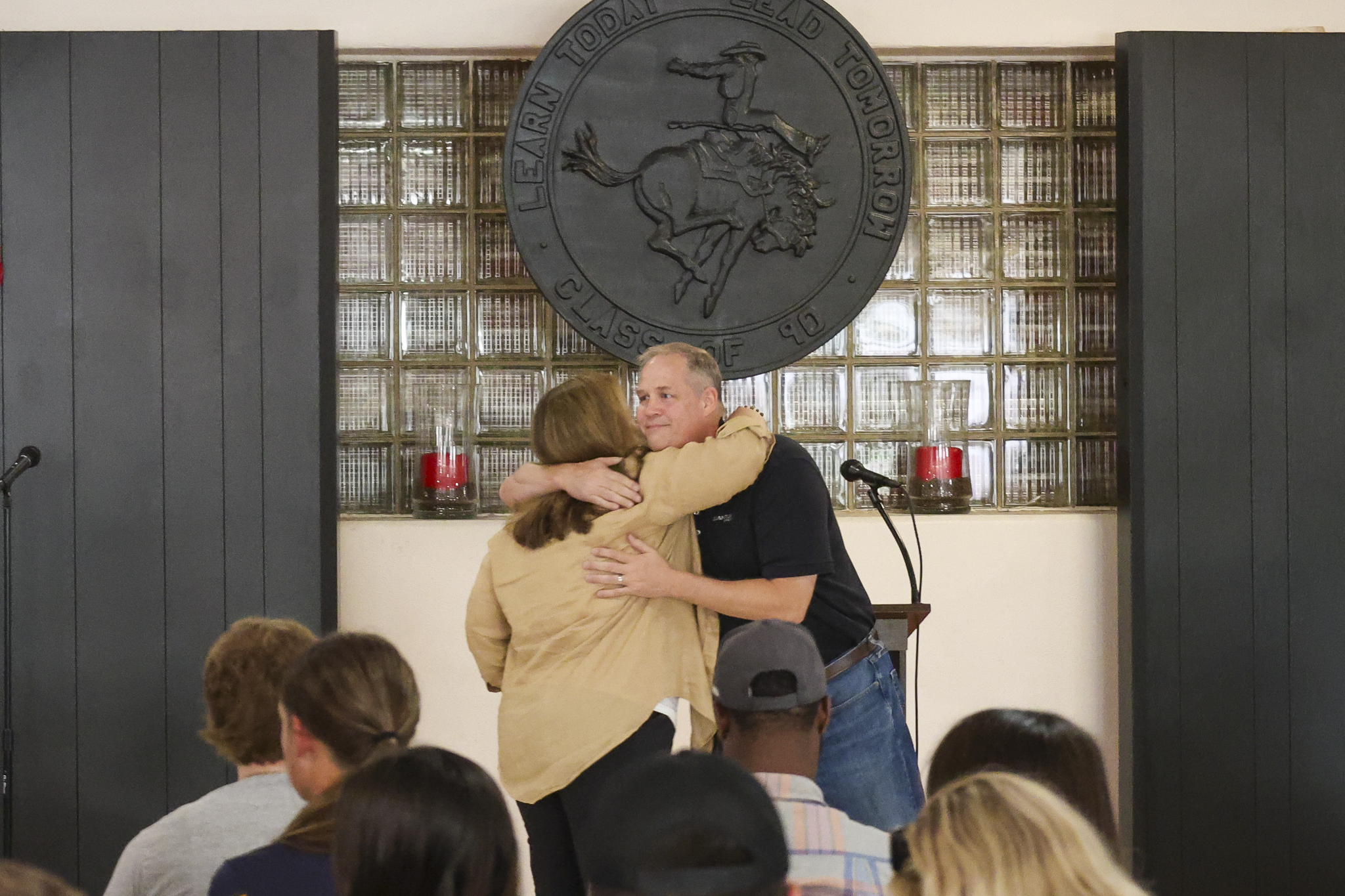
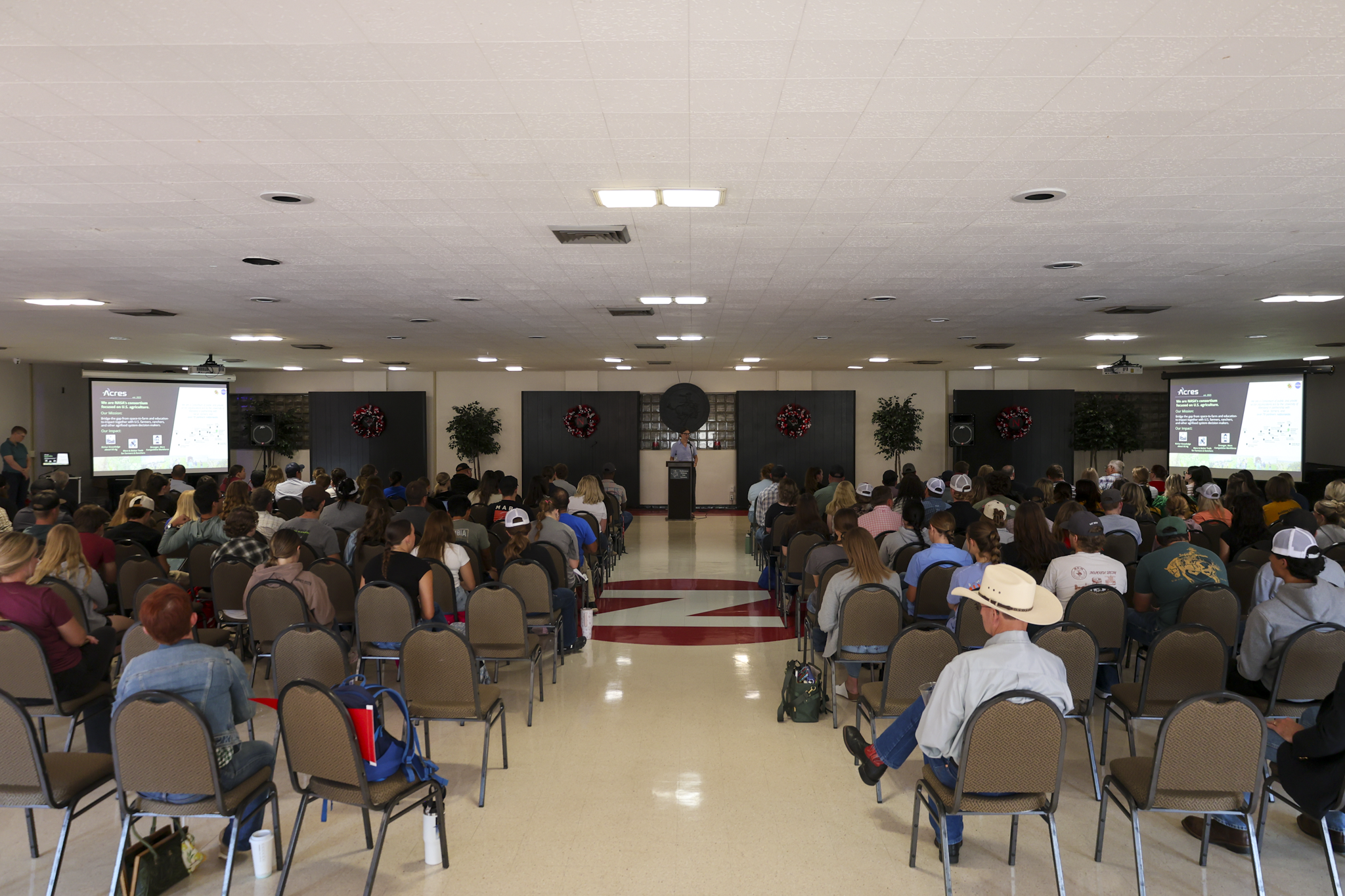
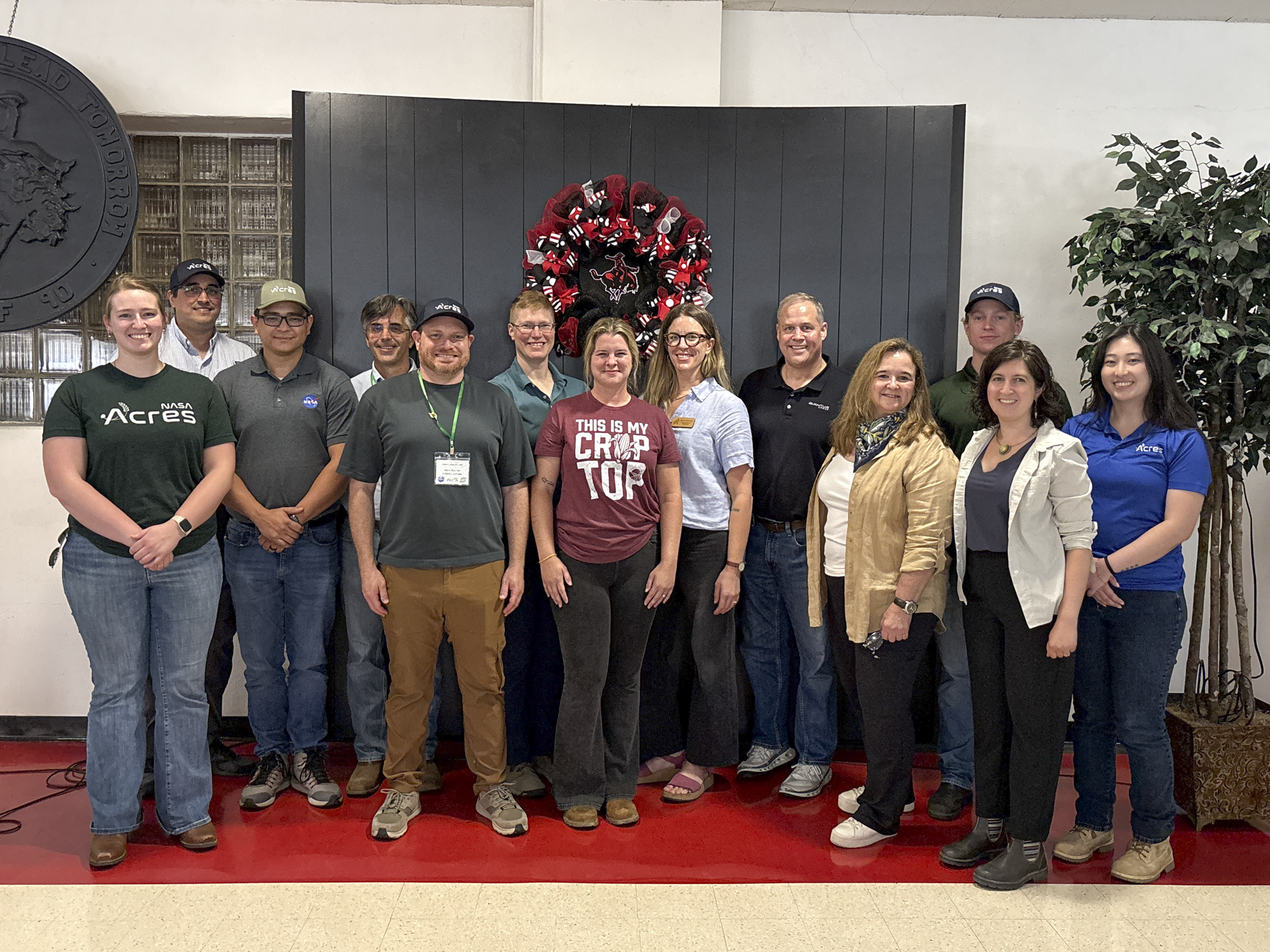
The NASA team was welcomed by NWOSU leadership and former NASA Administrator Jim Bridenstine, introduced NASA Earth Science Division Director Dr. St. Germain to the packed audience of students and faculty. Dr. St. Germain, along with NASA Acres Executive Director Dr. Alyssa Whitcraft, led presentations and open discussion before joining area farmers in the field along with the rest of the group. The stop helped introduce students to NASA Earth science and potential opportunities at the intersection of agriculture, remote sensing and data science, while giving NASA another opportunity to see the same fields and challenges through the eyes of local producers.
Workforce development is part of NASA Acres’ broader space-to-farm mission. Expanding the value of Earth observations for U.S. agriculture also means helping prepare the farmers, agronomists, researchers and technical specialists who will use those capabilities in the future.
In Kansas, seeing what long-term collaboration can become
The tour concluded in Kansas at a place already deeply connected to NASA Acres.
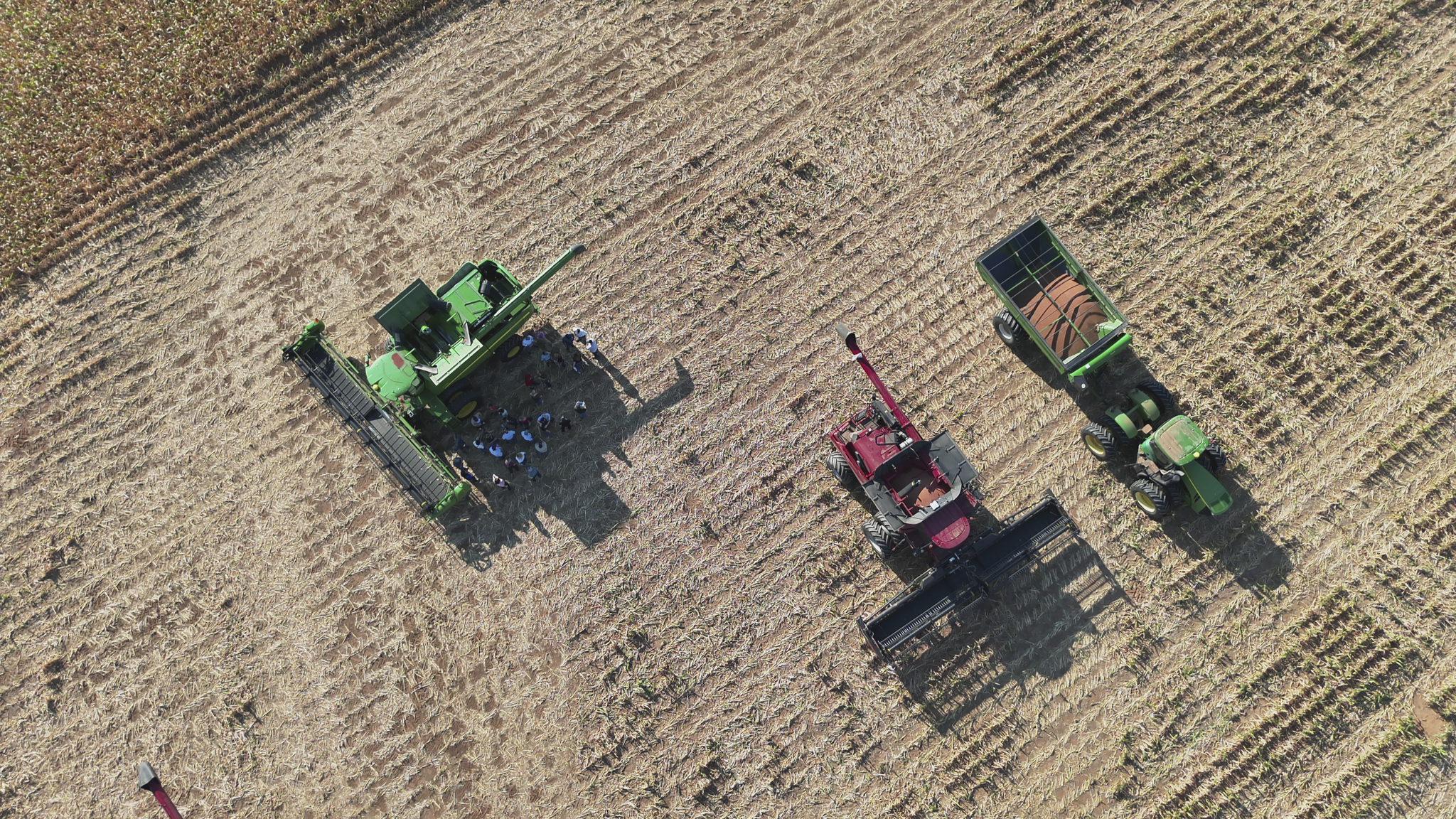
FIAT Steering Committee member Ray Flickner and his son Ryan Flickner welcomed the group to Flickner Innovation Farm, west of Moundridge. The working family farm has become a proving ground for research and technology focused on issues including irrigation efficiency, soil health, water quality, precision agriculture and remote sensing, supported by a longstanding partnership with Kansas State University.
NASA Acres, FIAT, Ray and Kansas State University have already been working together to connect satellite observations with field-scale agricultural research. K-State is a NASA Acres Research, Development and Extension partner, and partners including Dr. Susan Metzger, have worked closely with Flickner and the NASA Acres team to connect university research, extension capacity and farmer priorities.
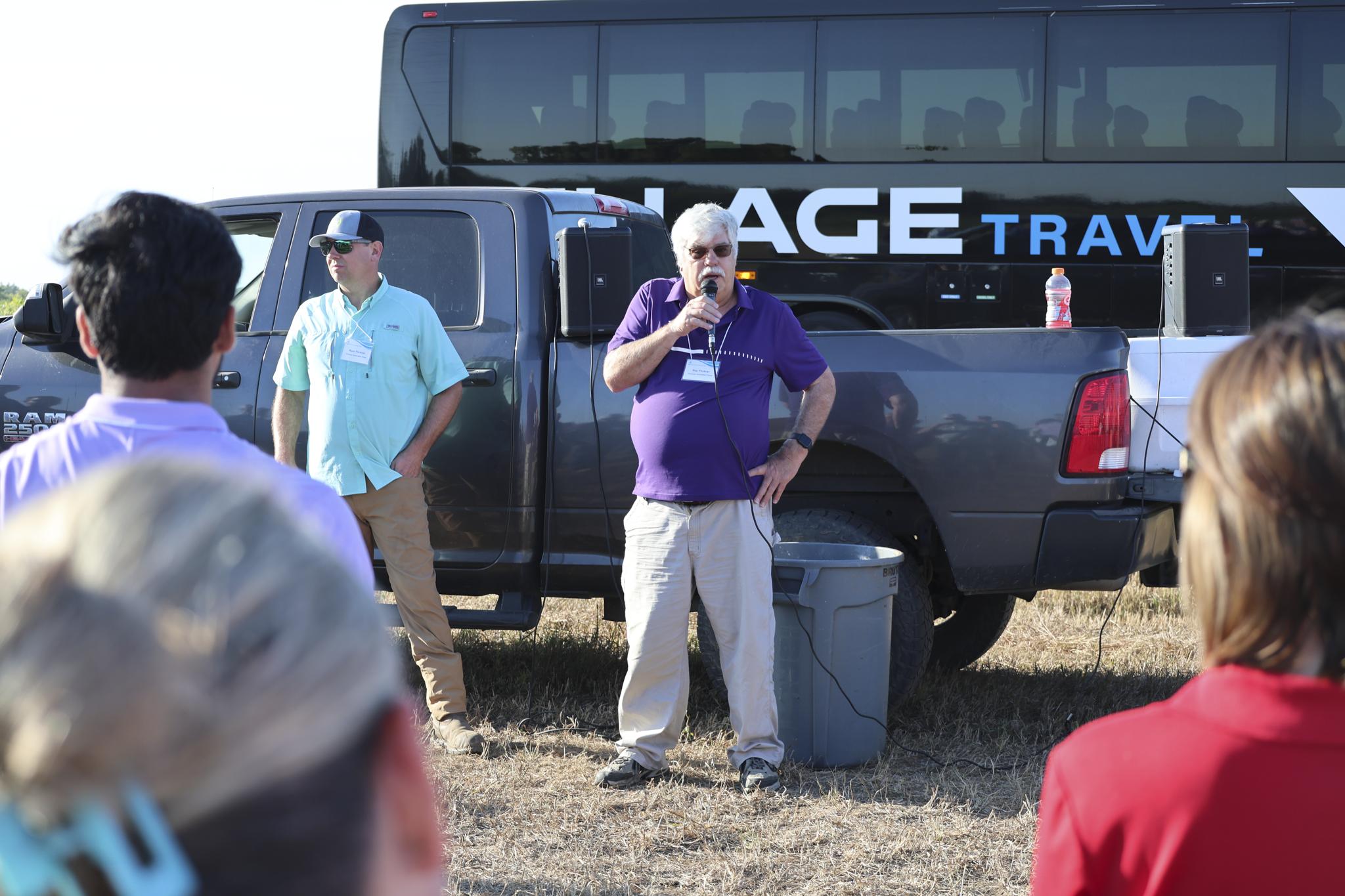
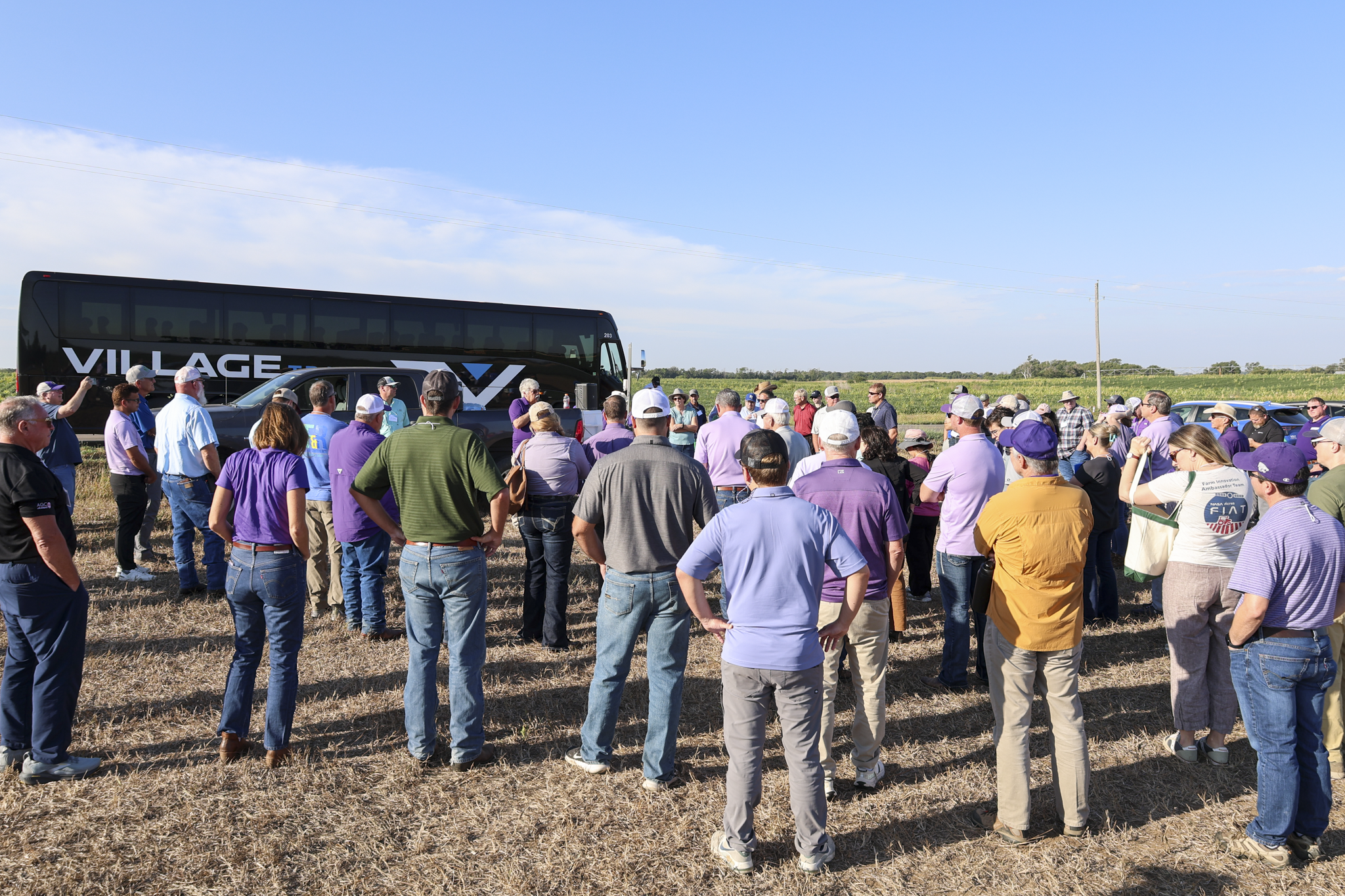
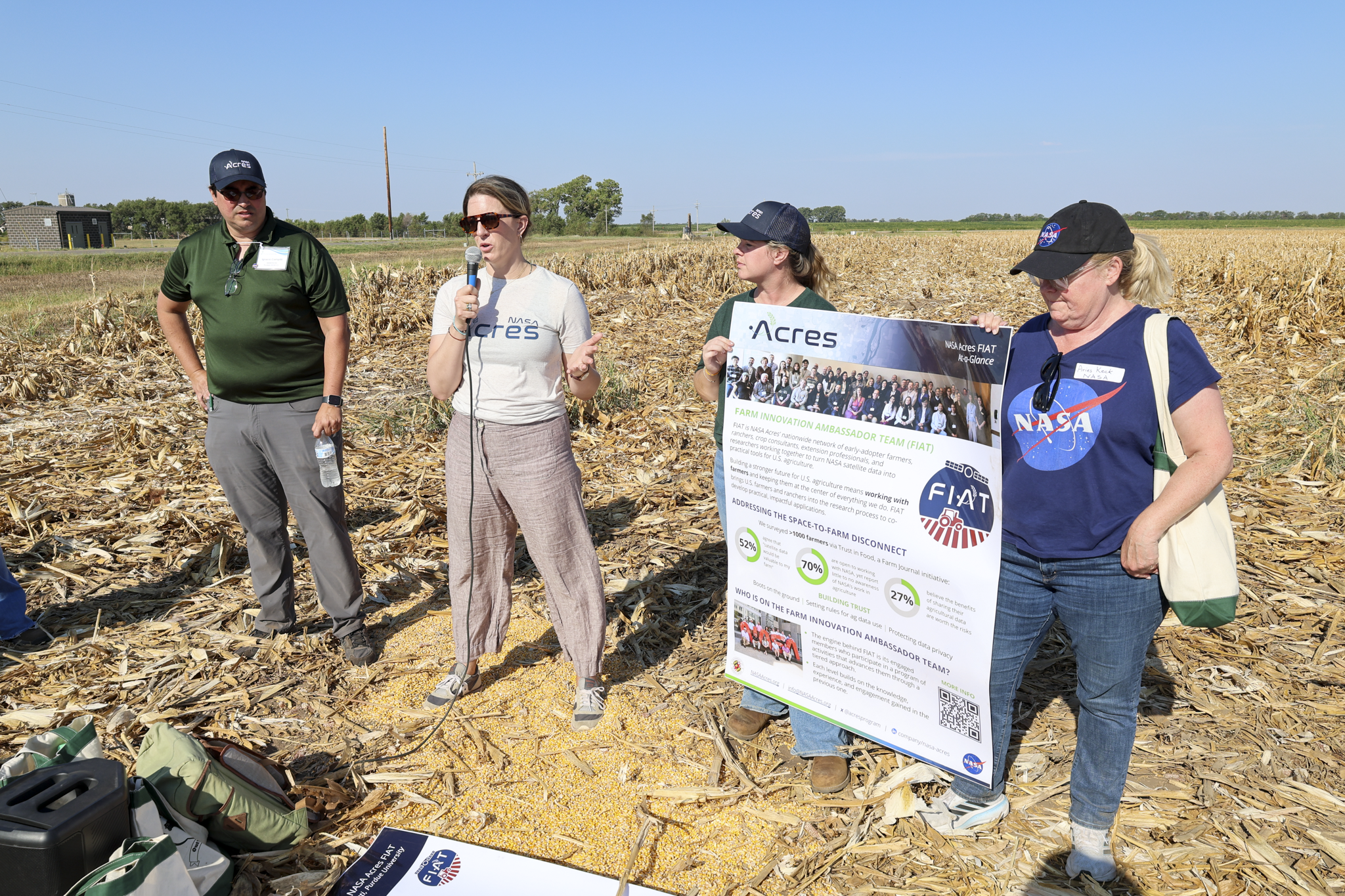
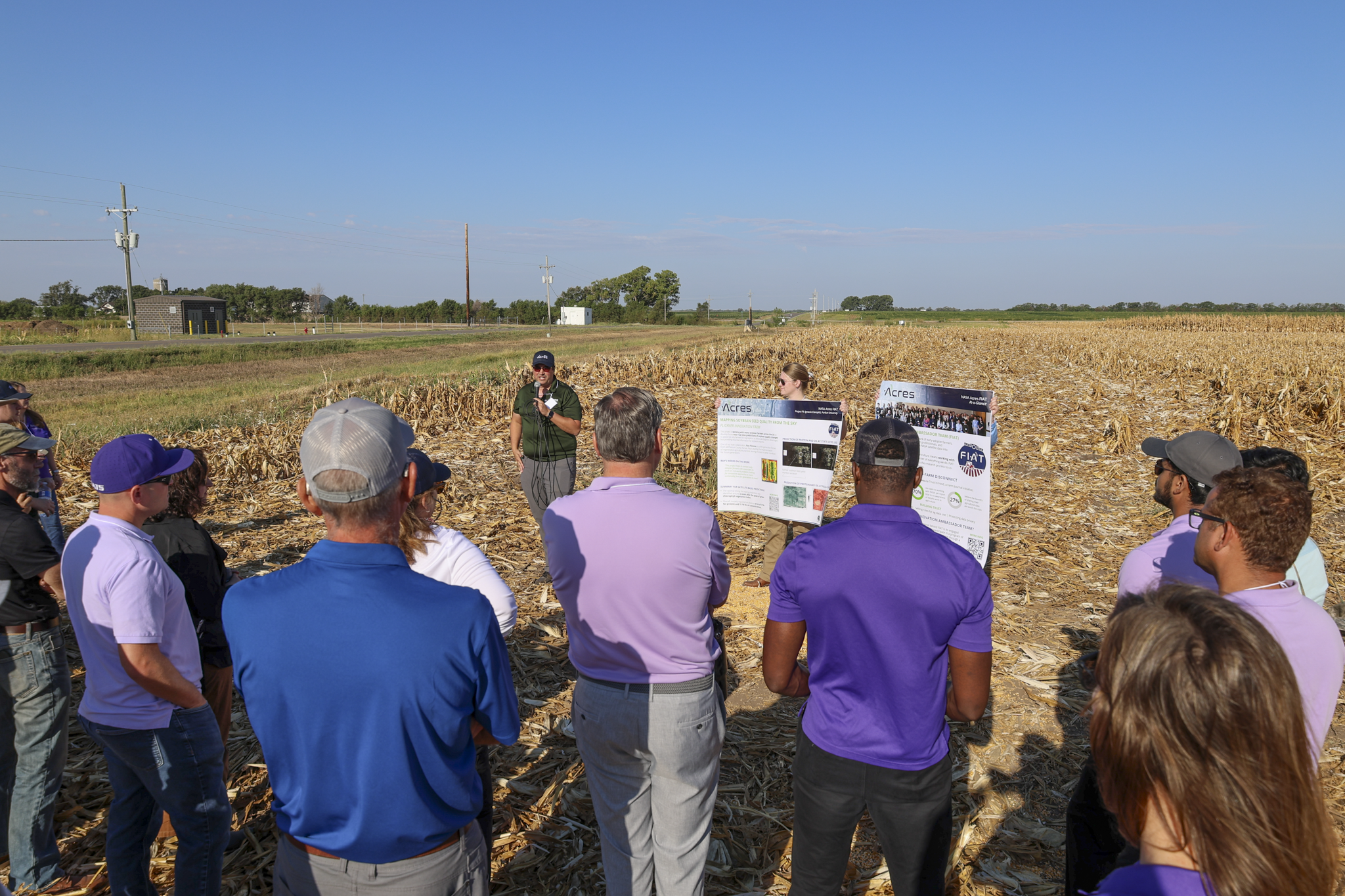
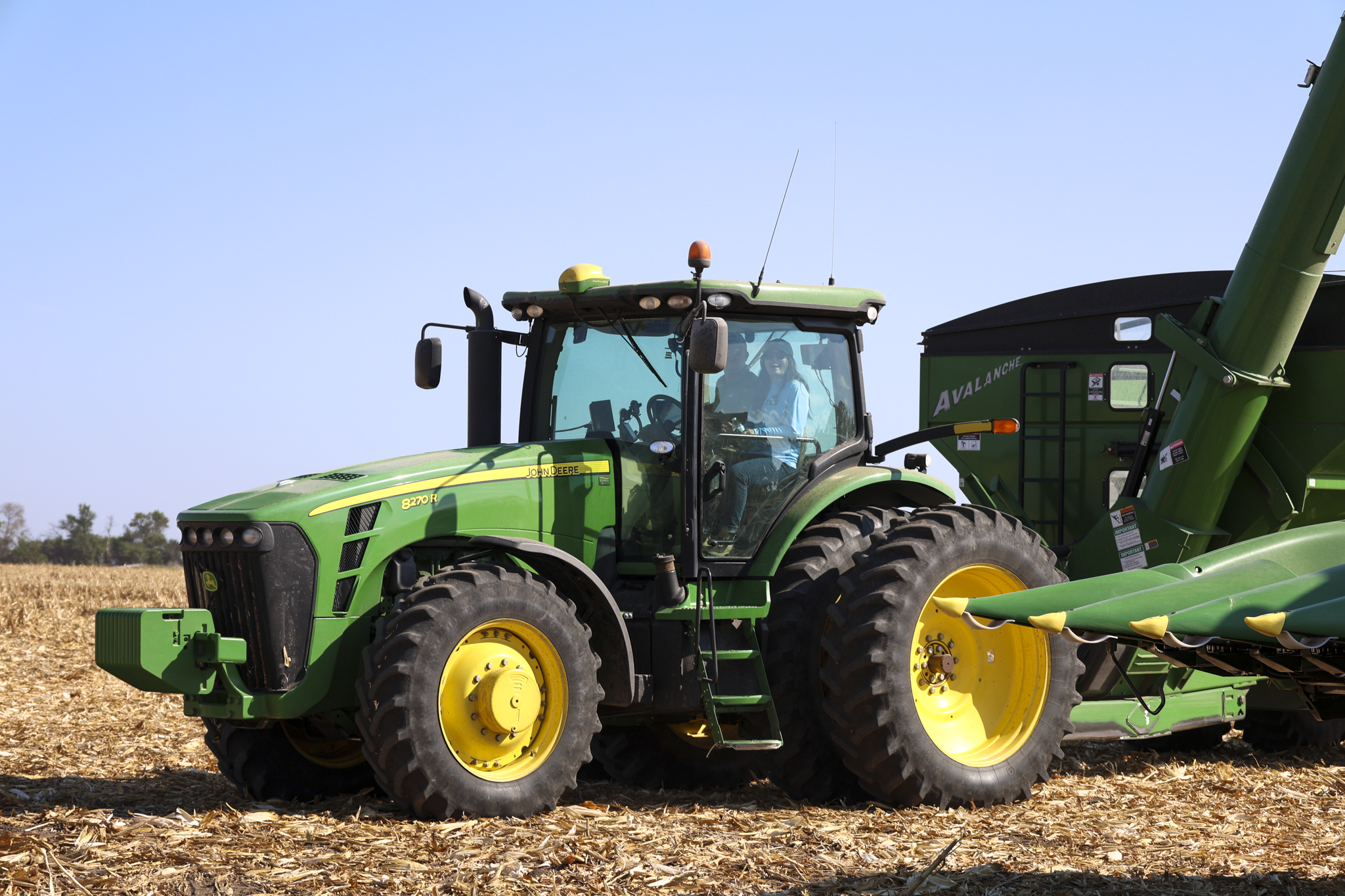
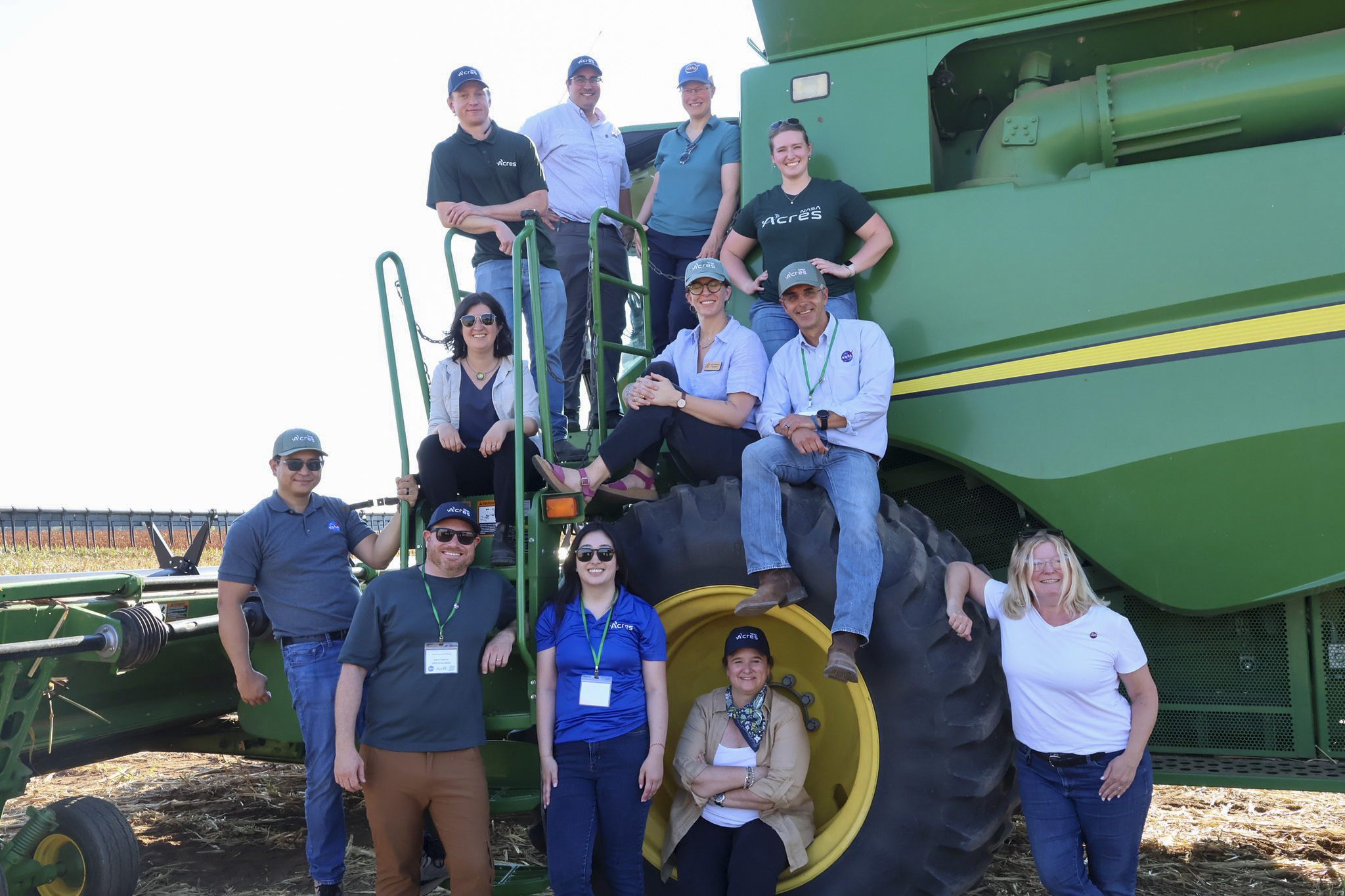
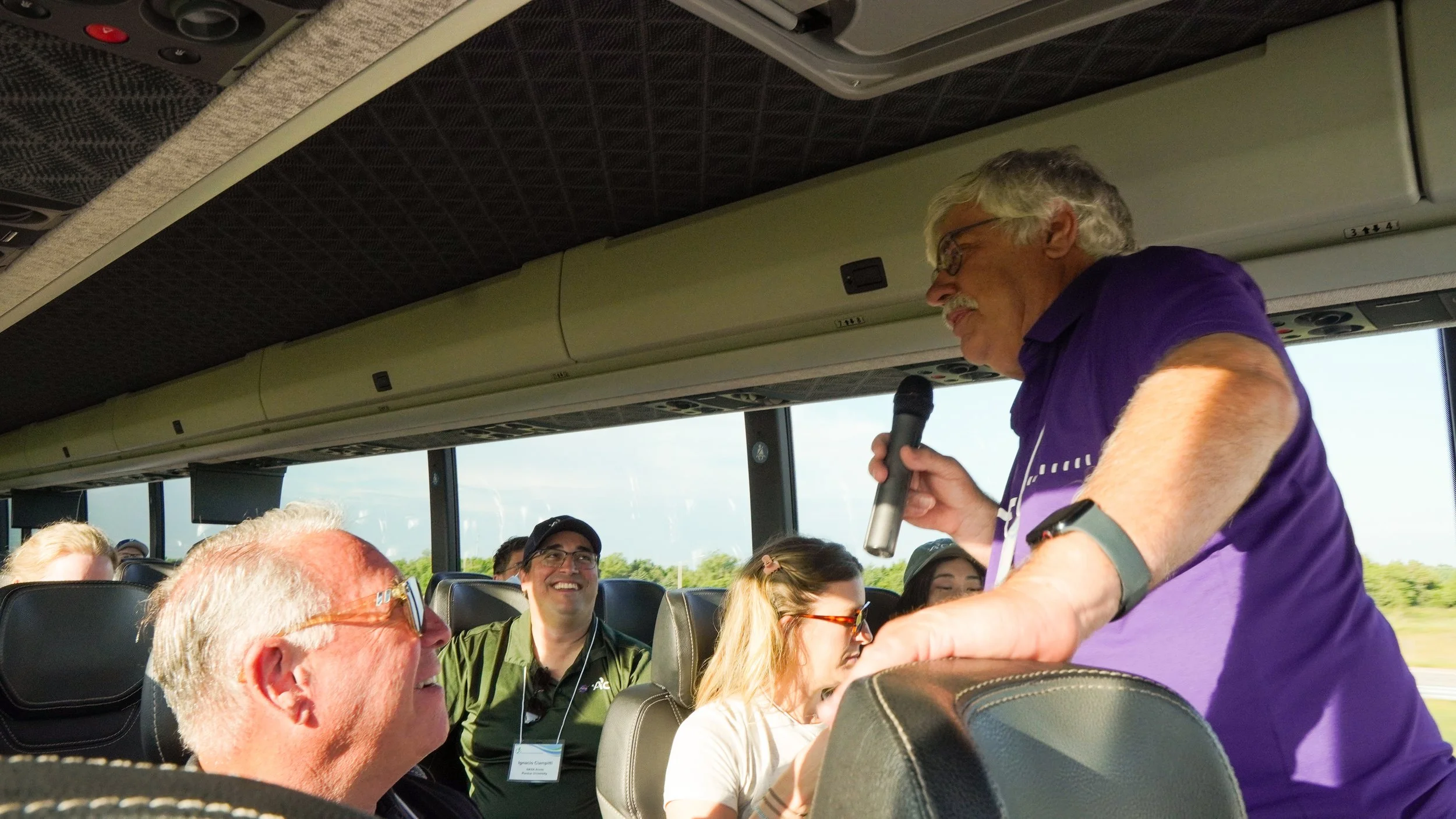
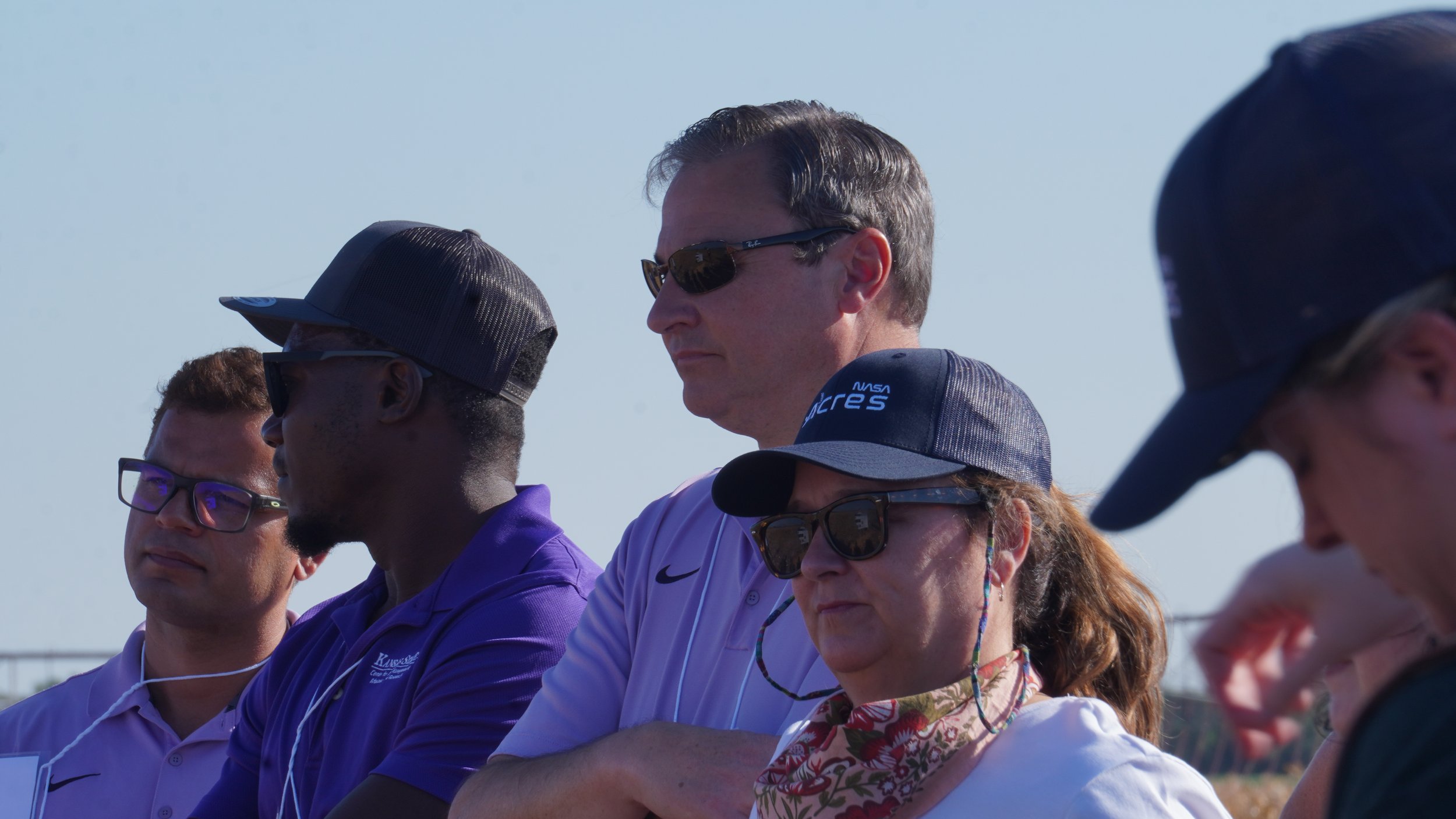
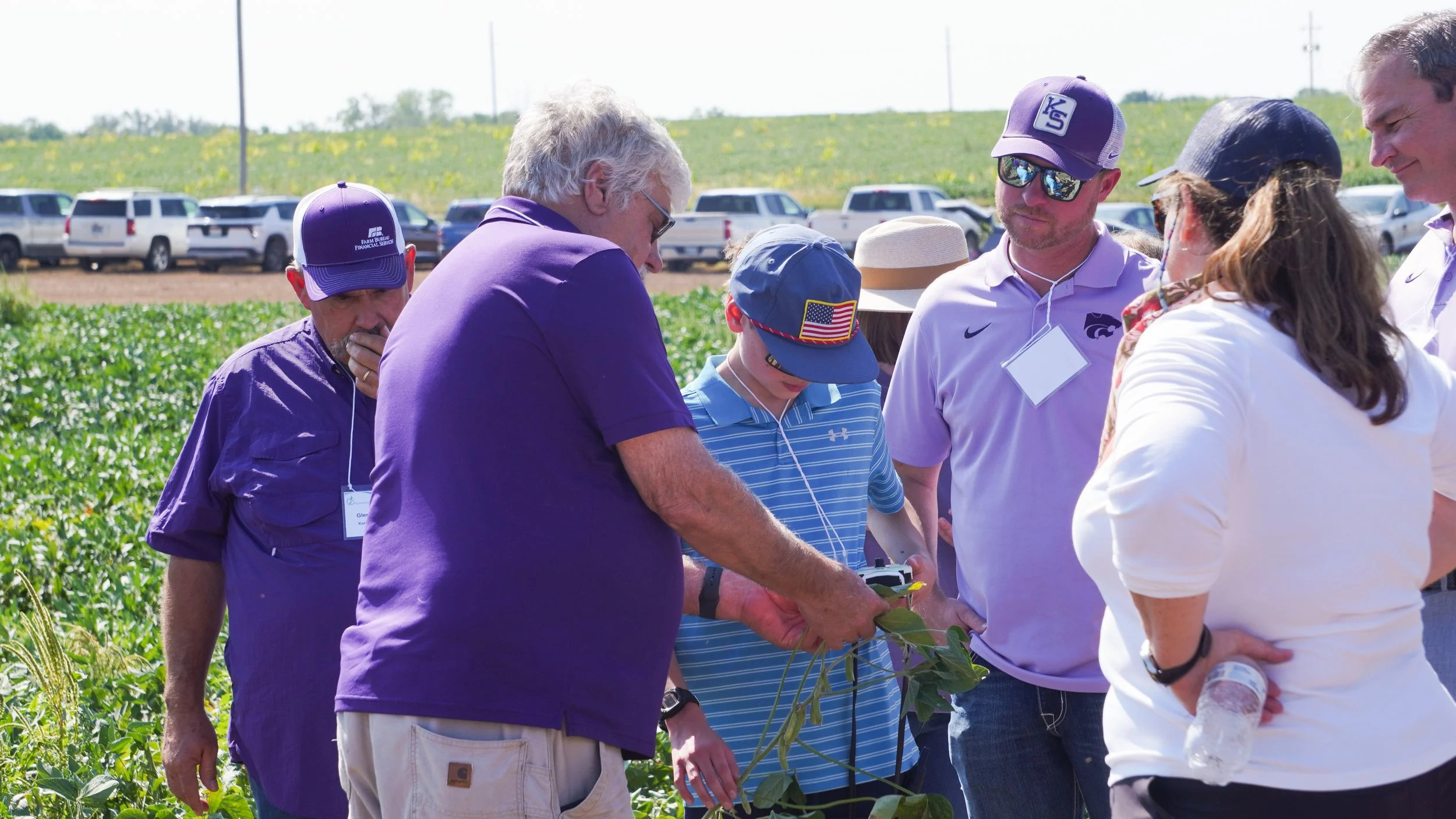
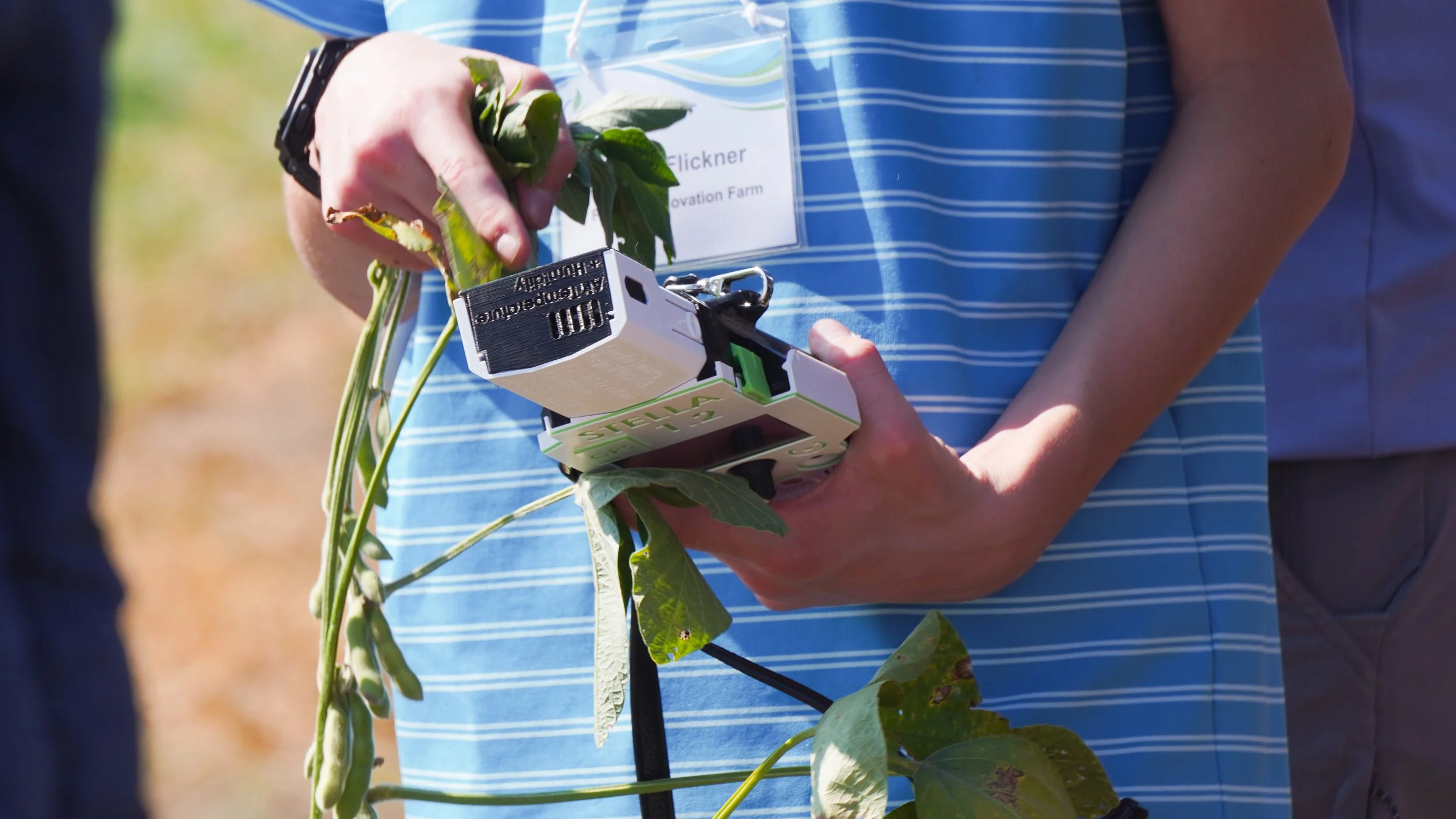
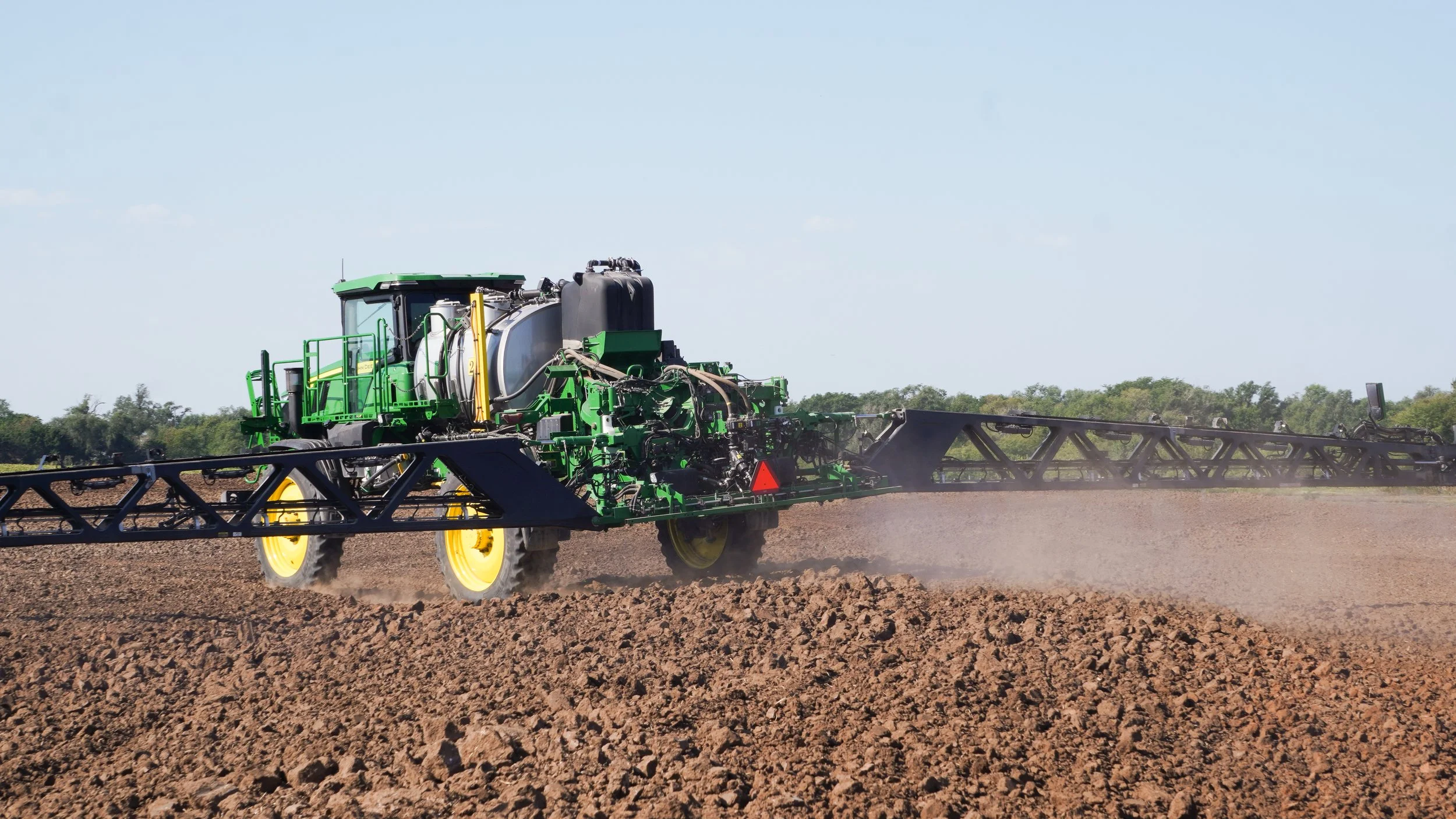
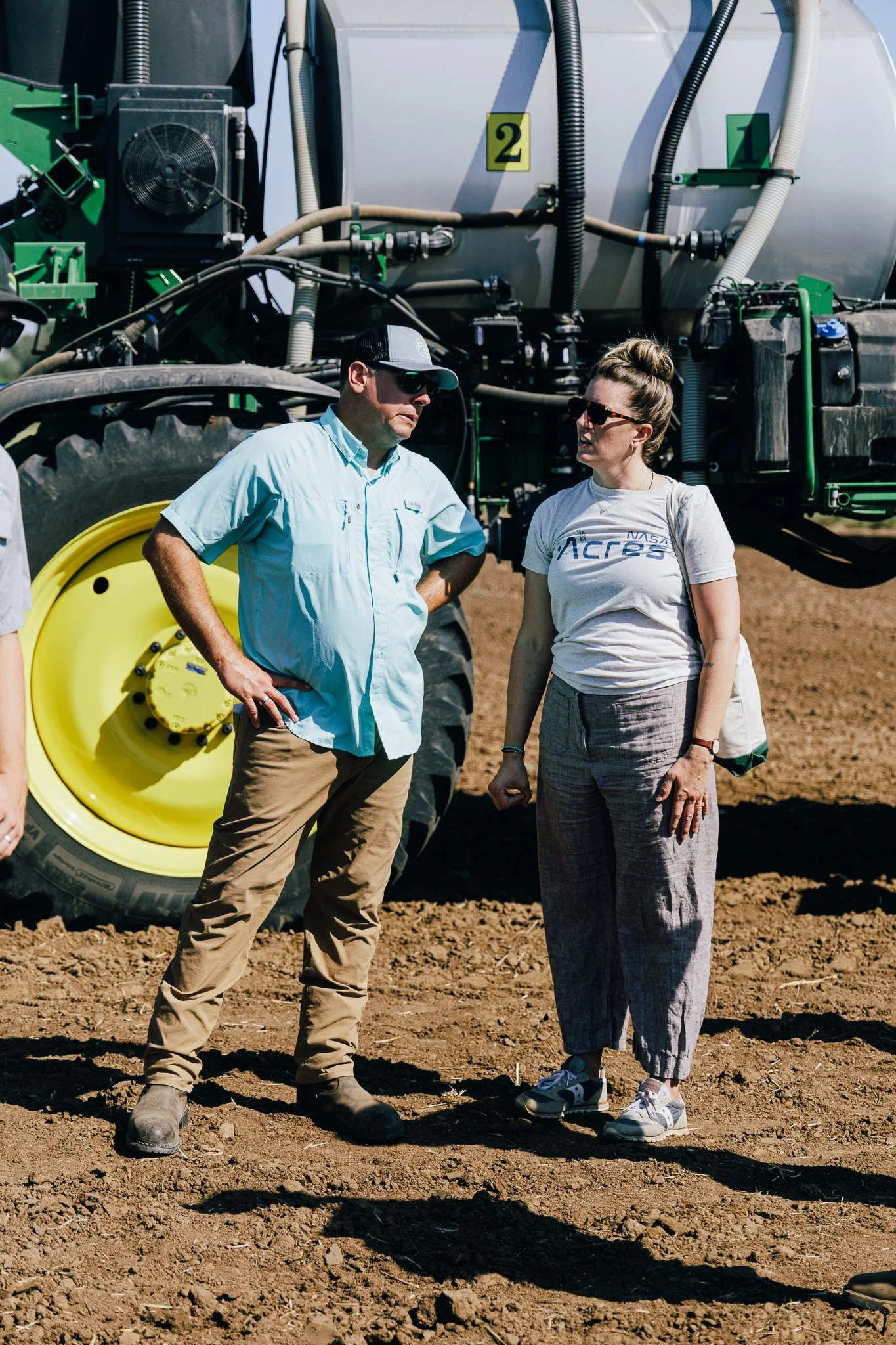
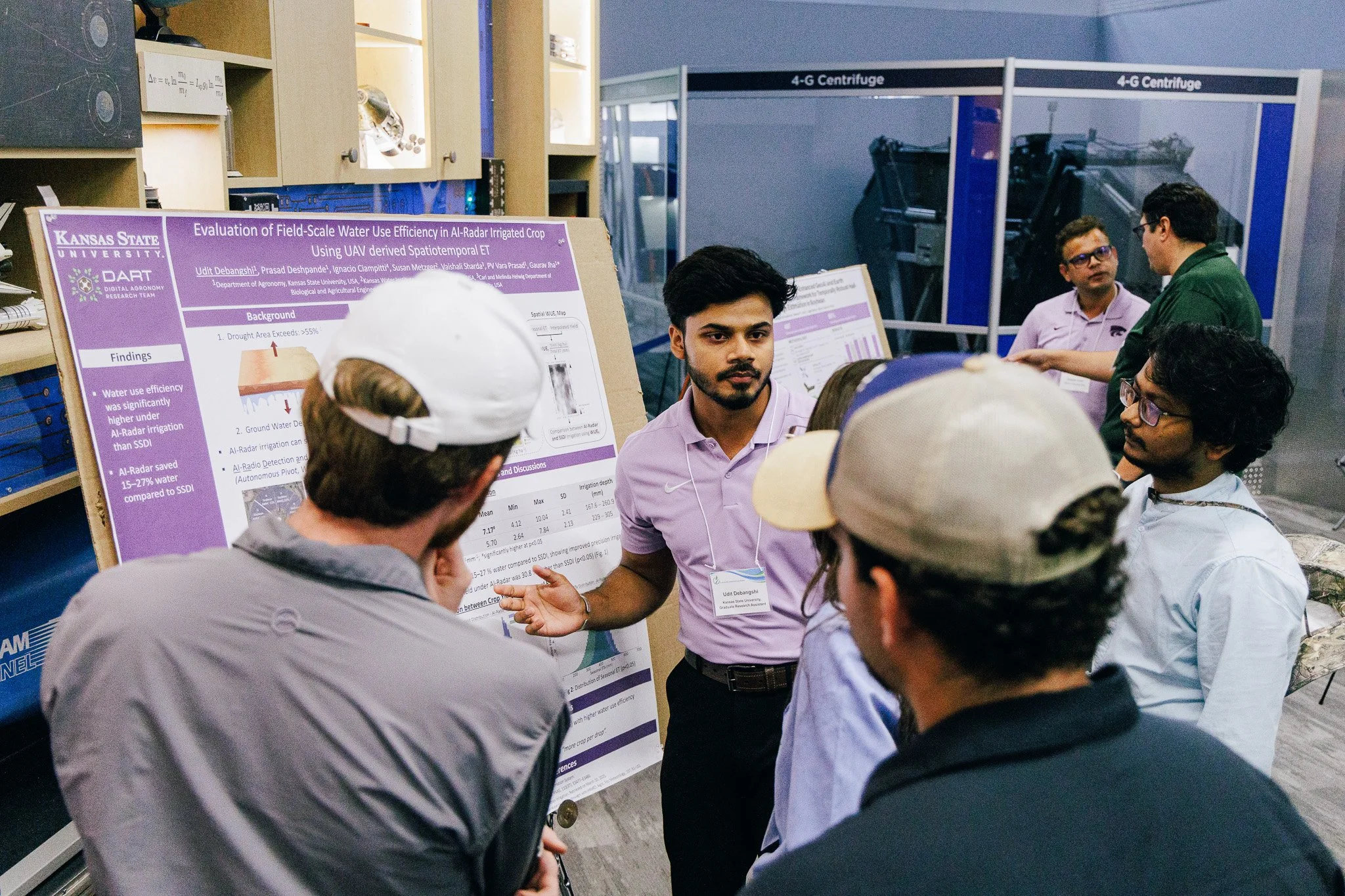
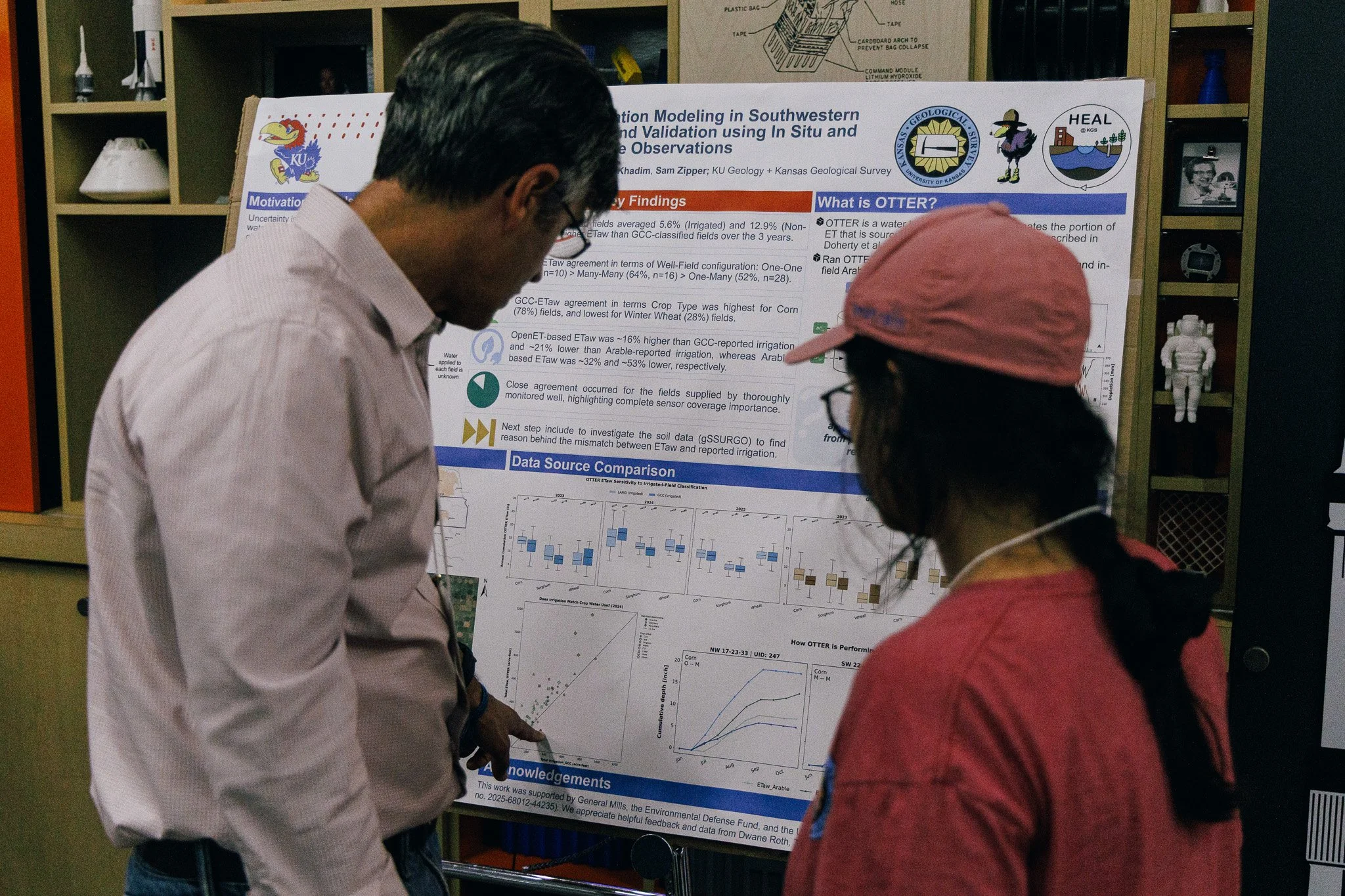
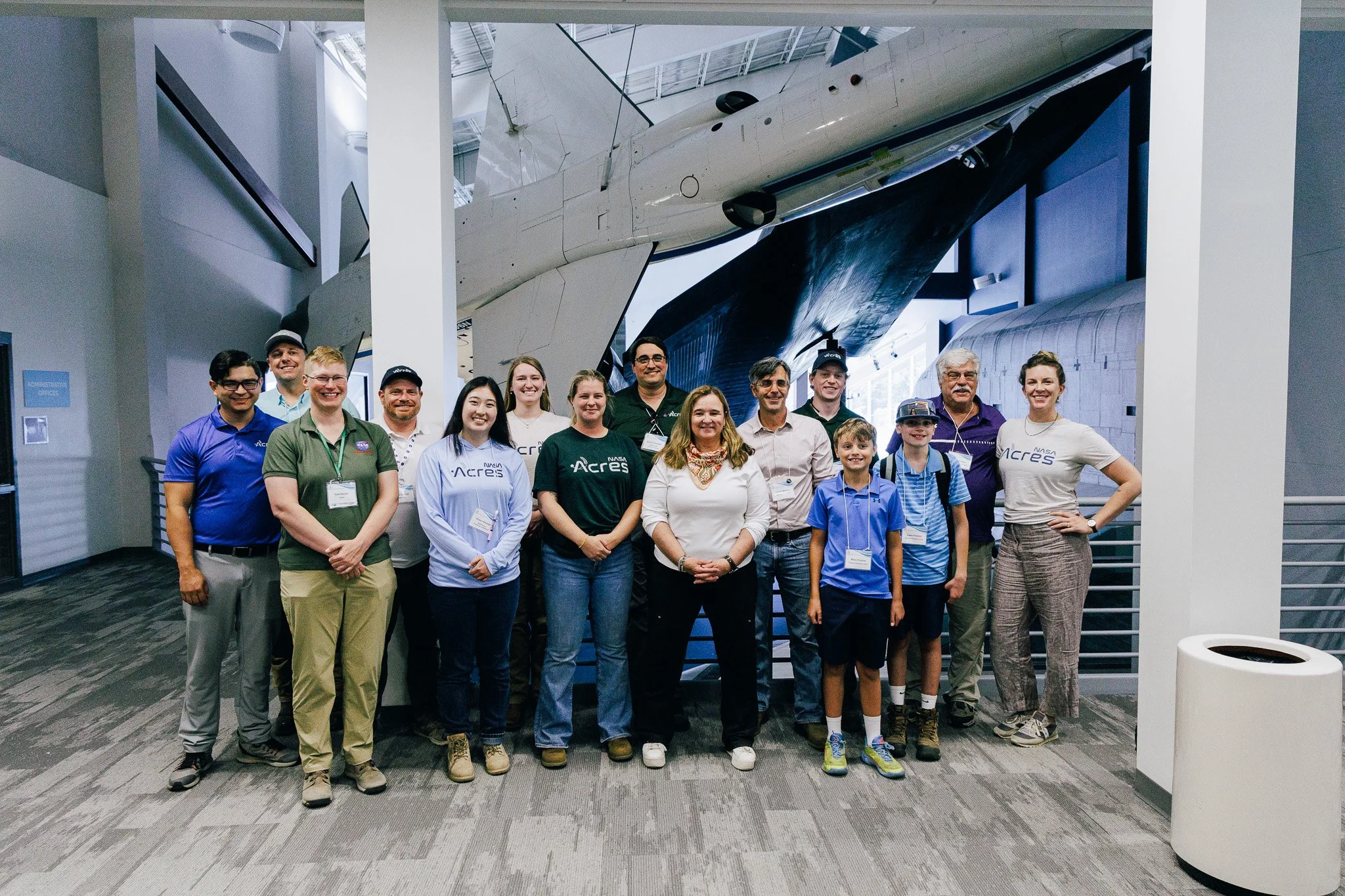
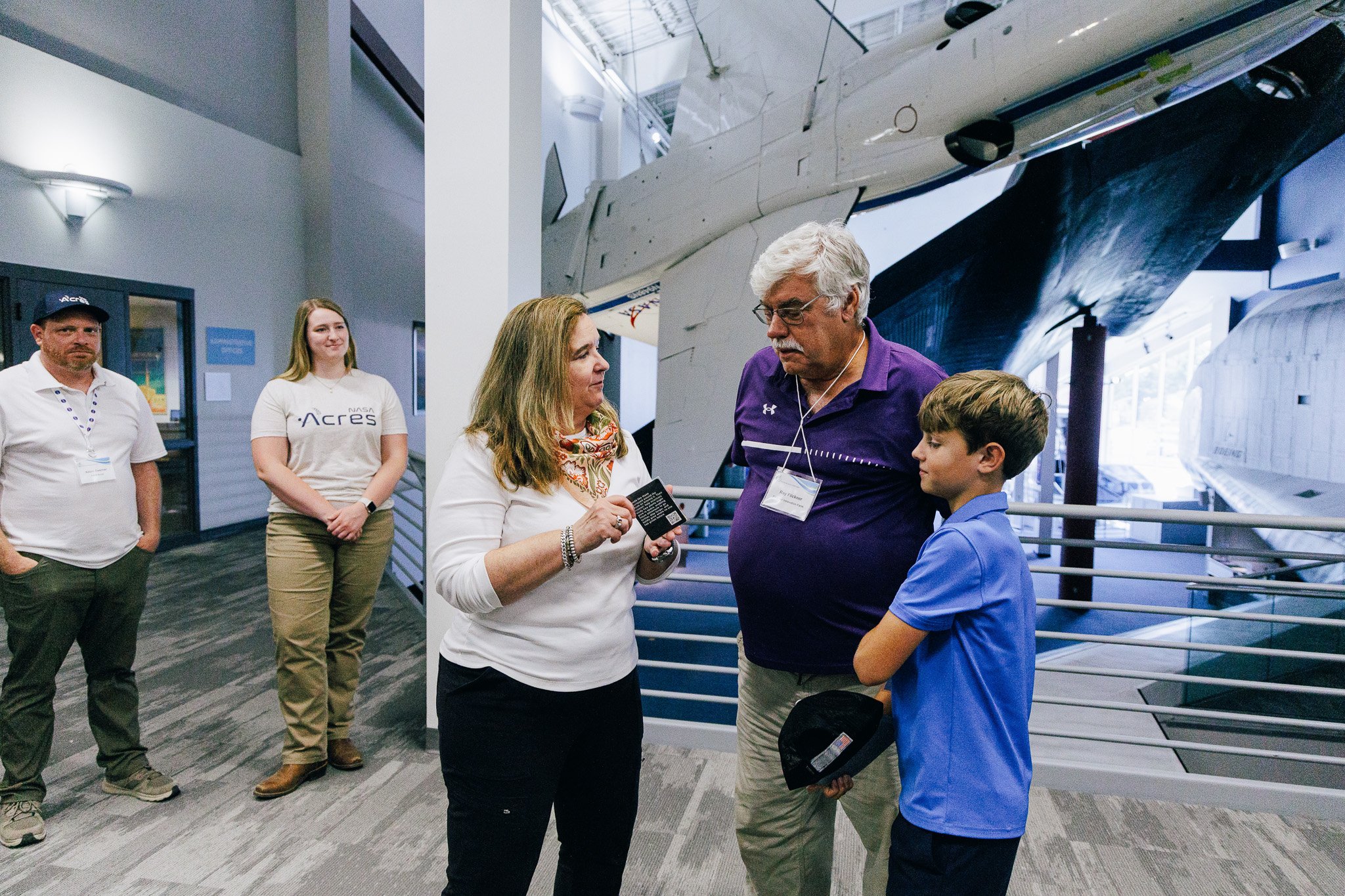
At Flickner Innovation Farm, the group saw technology demonstrations, field research and the type of working-farm environment in which new ideas can be tested against real agricultural conditions. That model – researchers working alongside farmers rather than simply studying them – is also at the heart of FIAT.
It illustrates how a conversation on a listening tour can grow into a relationship, lead to a research question, and ultimately become something that can be tested, refined and put to use.
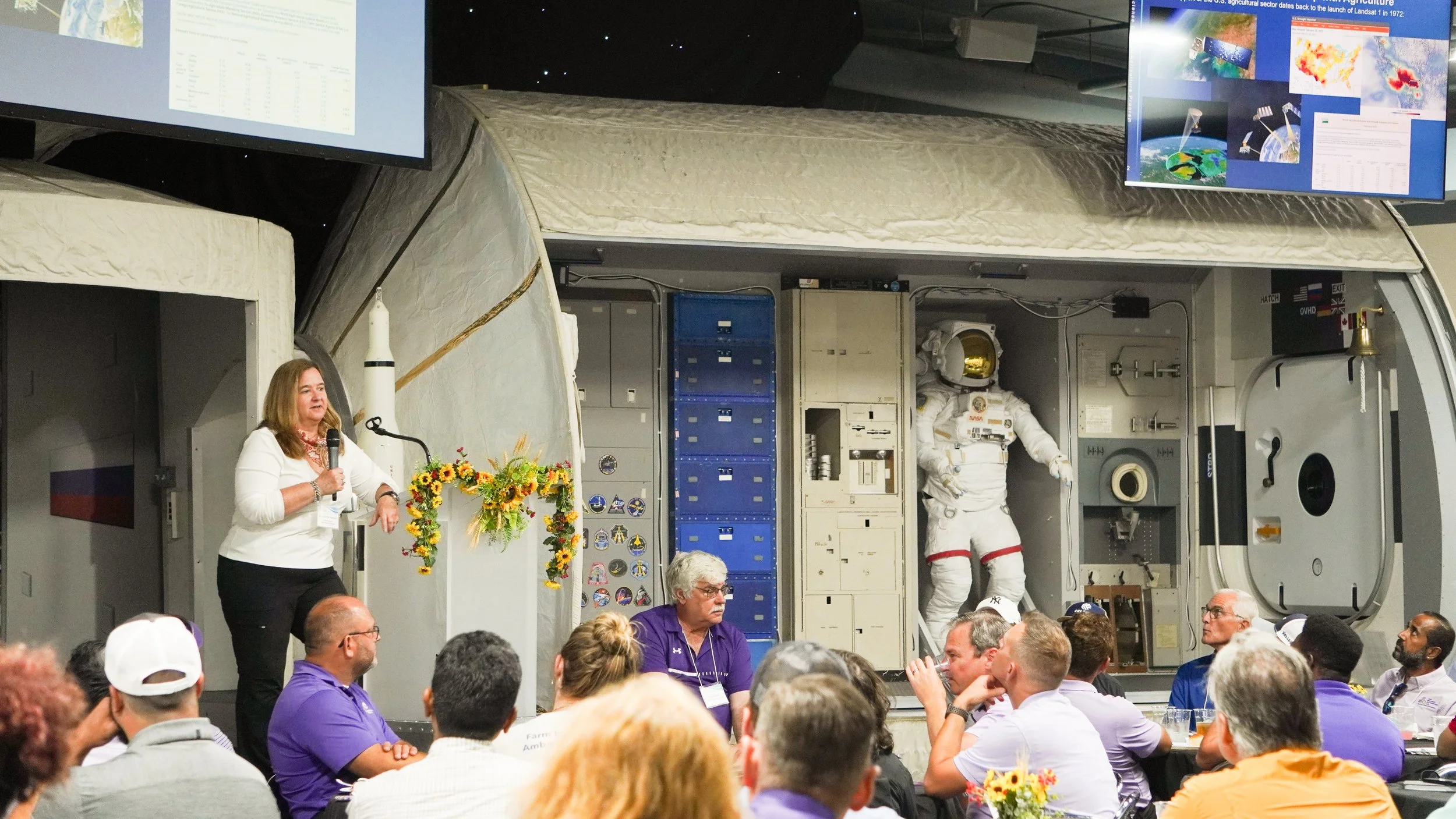
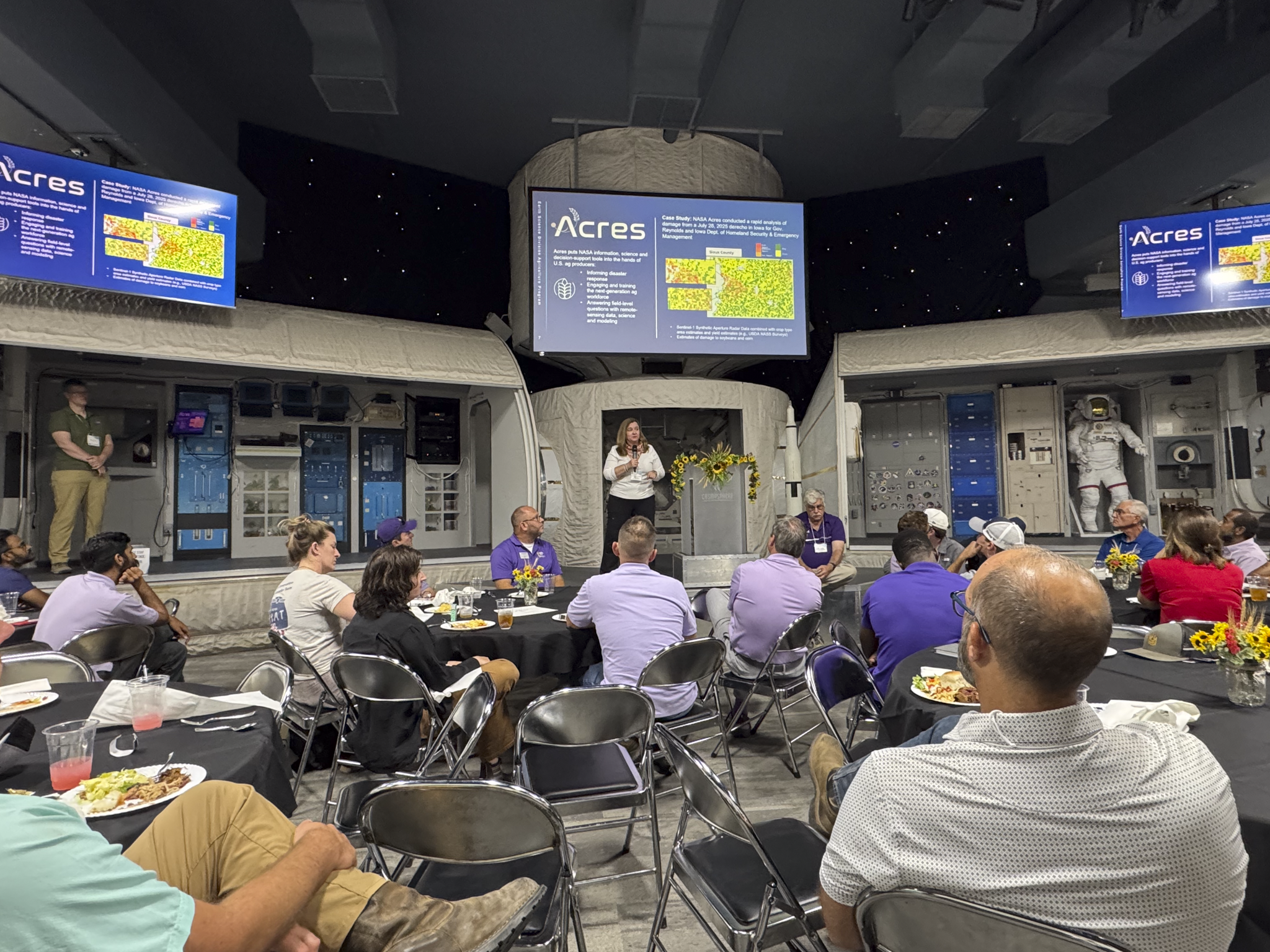
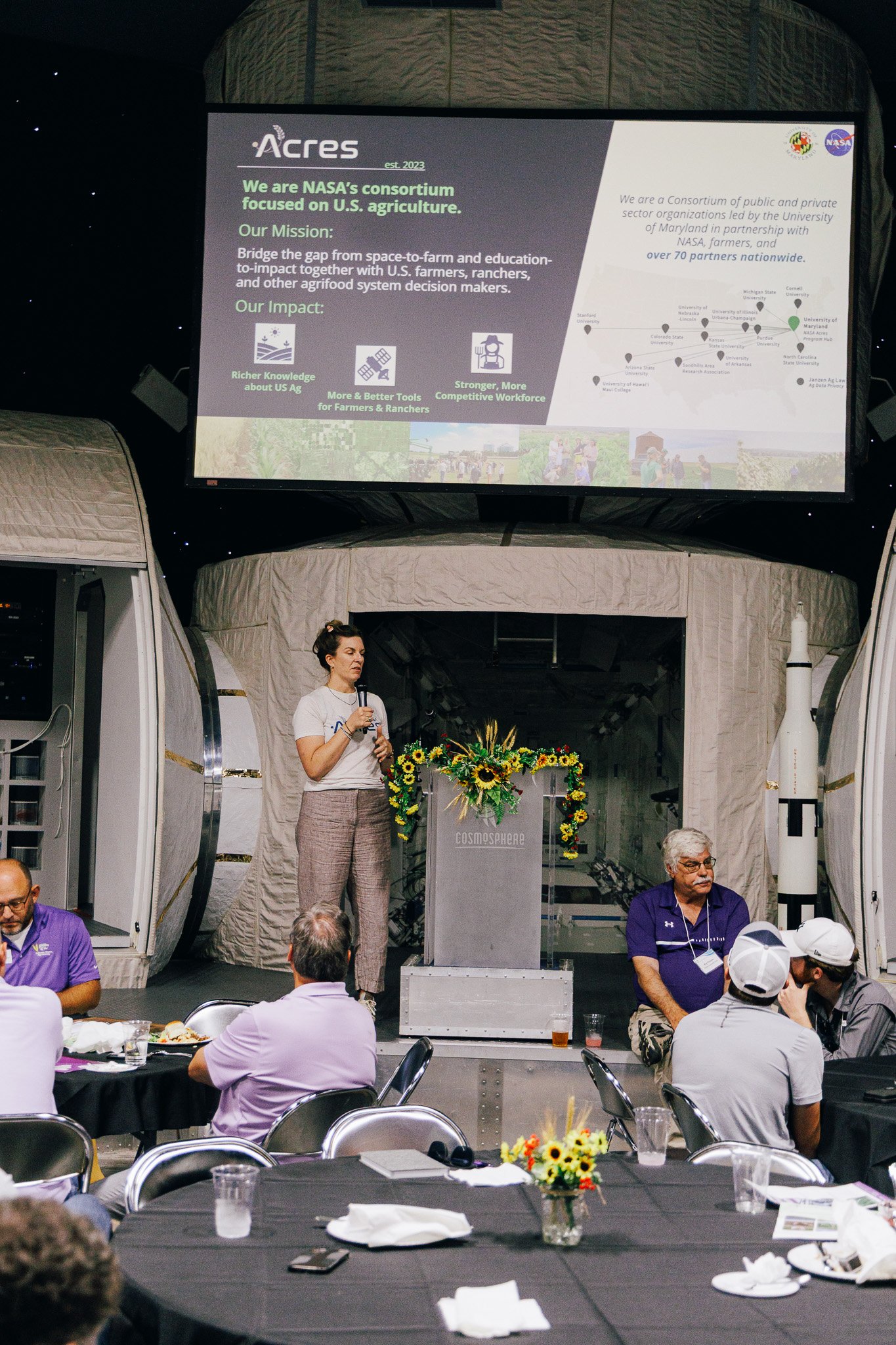
The week concluded with a Lunch and Learn at the Kansas Cosmosphere in Hutchinson, bringing together NASA, agricultural partners and research through presentations and discussion in a place that provided an appropriate reminder of the connection between exploration in space and impact here on Earth.
Listening as part of the research process
The Space4Ag tour created new opportunities for collaboration around water management, conservation, commodity-specific research, rangelands and university and industry partnerships. It also strengthened existing relationships with producers, commodity organizations and research institutions, while identifying practical ways NASA Earth observations can complement work already underway on the ground.
Just as importantly, NASA scientists and leaders heard directly from the people making agricultural decisions about the information they need, the constraints they face and the conditions that determine whether a new tool or technology is useful.
We are grateful to the farmers, ranchers, hosts, universities, organizations and partners who welcomed us, opened their fields and facilities, shared their time and expertise, and made these conversations possible. Their willingness to engage candidly with our team was central to the value of the tour.
That input is central to the NASA Acres mission. Our work is focused on connecting Earth observation science, data and technology with real agricultural needs in ways that support the productivity, profitability and resilience of American agriculture. The Space4Ag tour provided an opportunity to better understand those needs firsthand and to identify where NASA Acres can contribute through future research, partnerships and tools.