
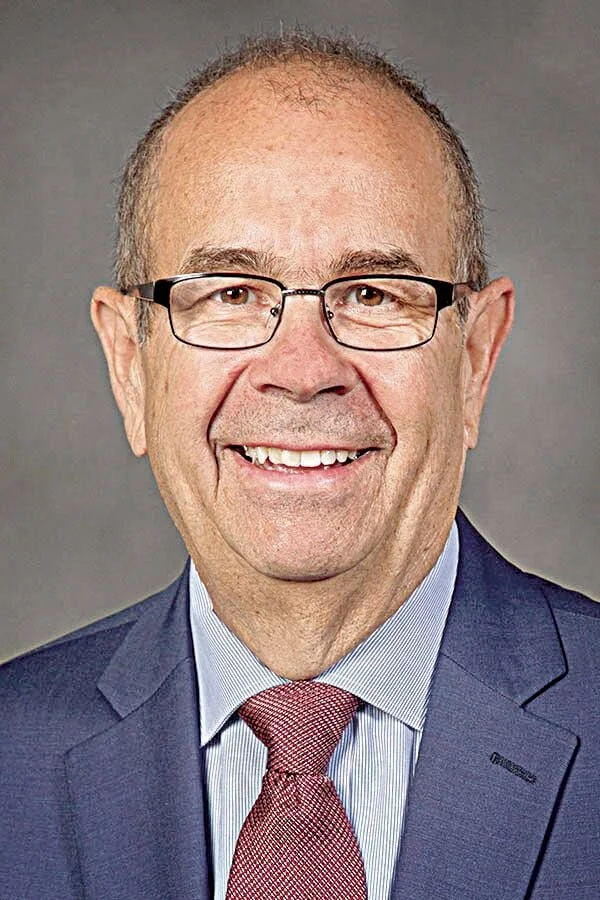
NASA Acres' Producer Spotlight series introduces the farmers and ranchers of our Farm Innovation Ambassador Team (FIAT), sharing their stories, experiences, and perspectives on the future of American agriculture.
An Illinois farmer with deep roots in agriculture and a lifelong interest in technology, John Reifsteck brings decades of experience and a forward-looking perspective to NASA Acres' Farm Innovation Ambassador Team (FIAT).
Long before the internet became part of everyday life, Illinois farmer John Reifsteck was already exploring how it could transform agriculture. Today, more than three decades later, he's helping shape another technological frontier by working to bring NASA satellite data and Earth observation tools into the hands of American farmers.
As a member of FIAT, Reifsteck brings a unique combination of agricultural experience, technological curiosity, and a longstanding commitment to connecting farmers with scientific research.
Three Generations of Farming in Illinois
Reifsteck is a third-generation farmer near Champaign, Illinois, just a few miles from the University of Illinois. His grandfather immigrated from Germany in the late 1800s, and the family farm still includes the 1914 farmhouse where he currently resides, an original working windmill, and a barn where his grandfather once raised draft horses – many of which were exported to Europe during World War I.
Reifsteck grew up working on the farm, leaving school early some days to operate tractors and combines. After earning degrees in agricultural economics and agricultural education from the University of Illinois, he returned to farming and became increasingly involved in agricultural leadership.
His career eventually took him from the Champaign County Farm Bureau to leadership positions in the agricultural cooperative system, including nearly a decade as chairman and president of GROWMARK, a multi-billion dollar agricultural supply and grain-marketing cooperative. Those experiences gave him a broader perspective on the challenges facing farmers and the role that innovation can play in addressing them.
Today, Reifsteck continues to farm while remaining actively engaged in agricultural research and technology.
An Early Pioneer in Agricultural Technology
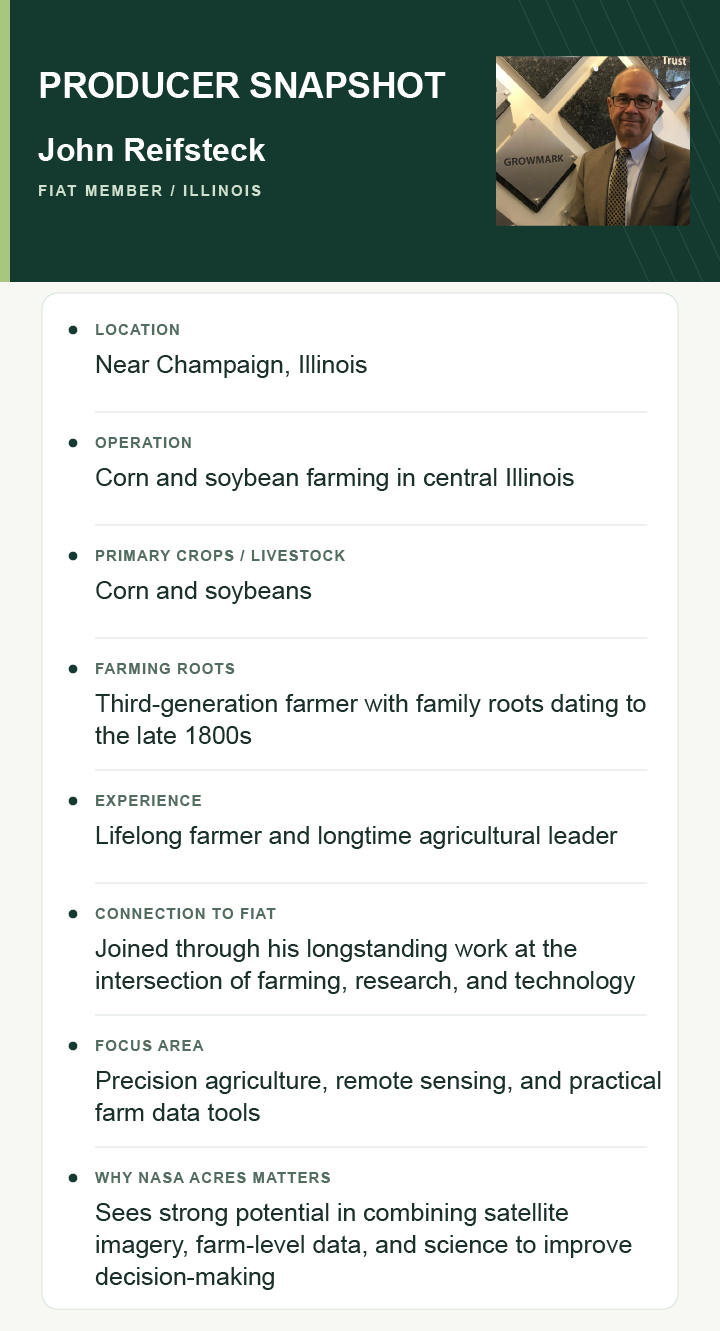
Reifsteck's interest in technology stretches back to the early 1990s, when researchers at the University of Illinois' National Center for Supercomputing Applications (NCSA) began exploring what a connected world might look like. He was among the earliest farmers to participate in those experiments, helping researchers envision how the emerging internet could serve agriculture at a time when precision farming was also beginning to take shape.
"We believed that the technology could solve problems," he recalled. "If it worked and it was affordable, then it was just a better way of doing things. And farmers always embraced better ways of doing things. We have a history of that."
Working with NCSA, he helped develop “Cyberfarm,” an early web-based platform that allowed researchers and other users to access agricultural information, including data such as crop yields, soil tests, and field boundaries from his farm. He also helped launch the InfoAg Conference, bringing together the emerging fields of internet technology and precision agriculture. “We thought we'd have a few people show up, and we were just swamped. We had hundreds of people show up at Champaign-Urbana, and that conference went on up until just a couple of years ago,” said Reifsteck.
His farm later became a research site for atmospheric and agricultural monitoring, hosting instruments and researchers collecting meteorological and field data over nearly three decades. That longstanding openness to scientific collaboration eventually helped connect him with NASA Acres and FIAT.
Connecting the Farm to Space
For Reifsteck, working with NASA Acres is a natural continuation of a career spent exploring how science and technology can improve farming.
His farm has previously hosted NASA scientists and imagery research by the European Space Agency, but Reifsteck sees even greater opportunities in today's more advanced satellite imagery, science, and technology.
"I think there's just a huge amount of potential with imagery," he said. "The imagery's better, the science is better, the technology's better."
He recalled an experience years ago when a researcher monitoring photosynthesis and carbon dioxide through instruments on his farm from hundreds of miles away recognized that a soybean crop had stopped actively growing, even though the field still appeared green and healthy to Reifsteck himself.
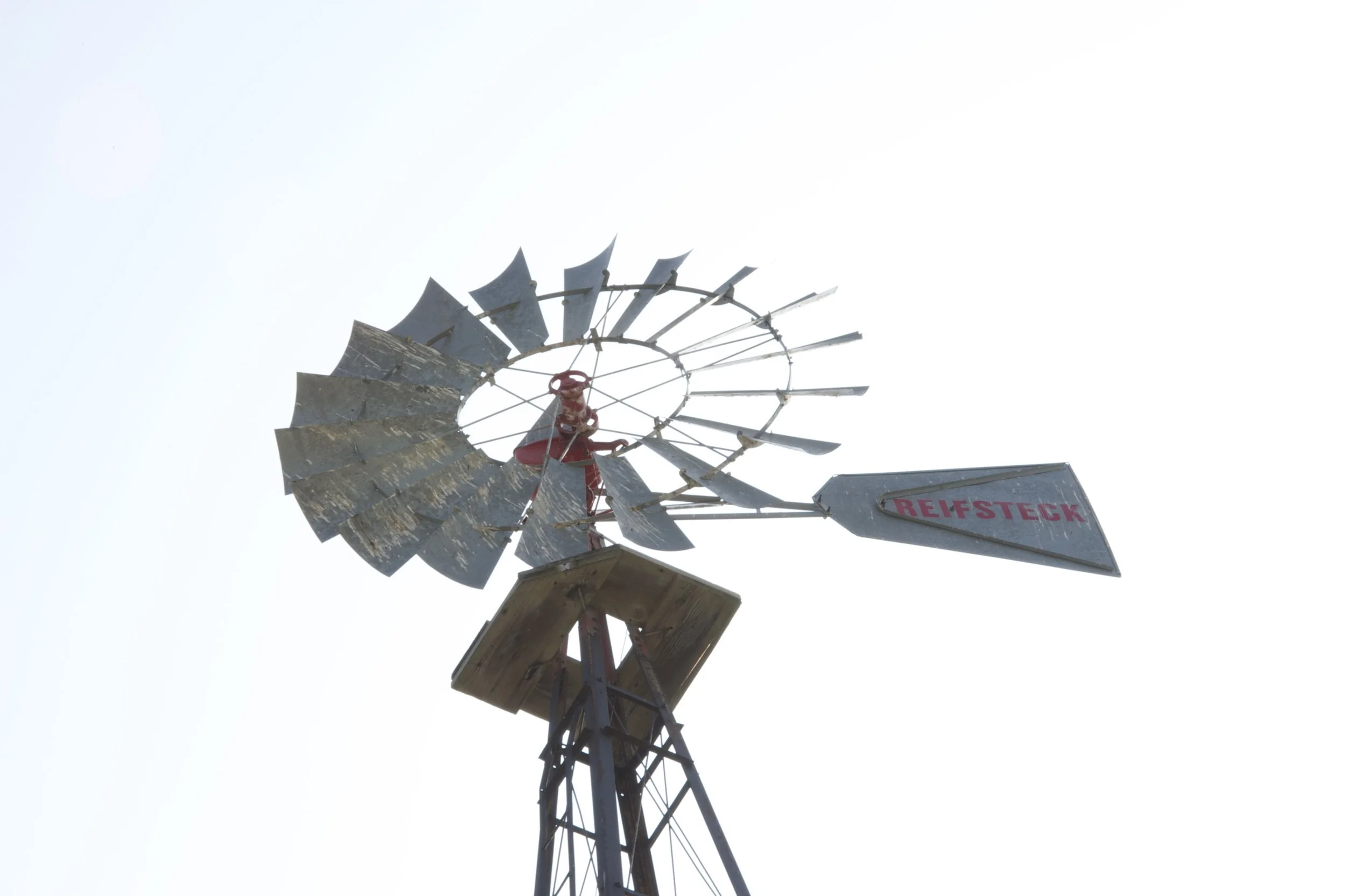
An original windmill on the Reifsteck farm.
The experience demonstrated how scientific measurements can reveal conditions that farmers cannot necessarily detect by sight alone.
Today's remote sensing technologies can extend that capability across entire fields, regions, and even continents, giving producers new information to guide crop management and economic decisions.
But Reifsteck emphasizes that the greatest value comes from combining satellite observations with the information farmers already collect on the ground, including soil tests, field sensors, yield monitors, and UAVs.
"It can't be all NASA, it can't be all me on the ground," he explained. "The people that can put all the pieces together to build a better story, to do better work, are the ones that are going to be succeeding."
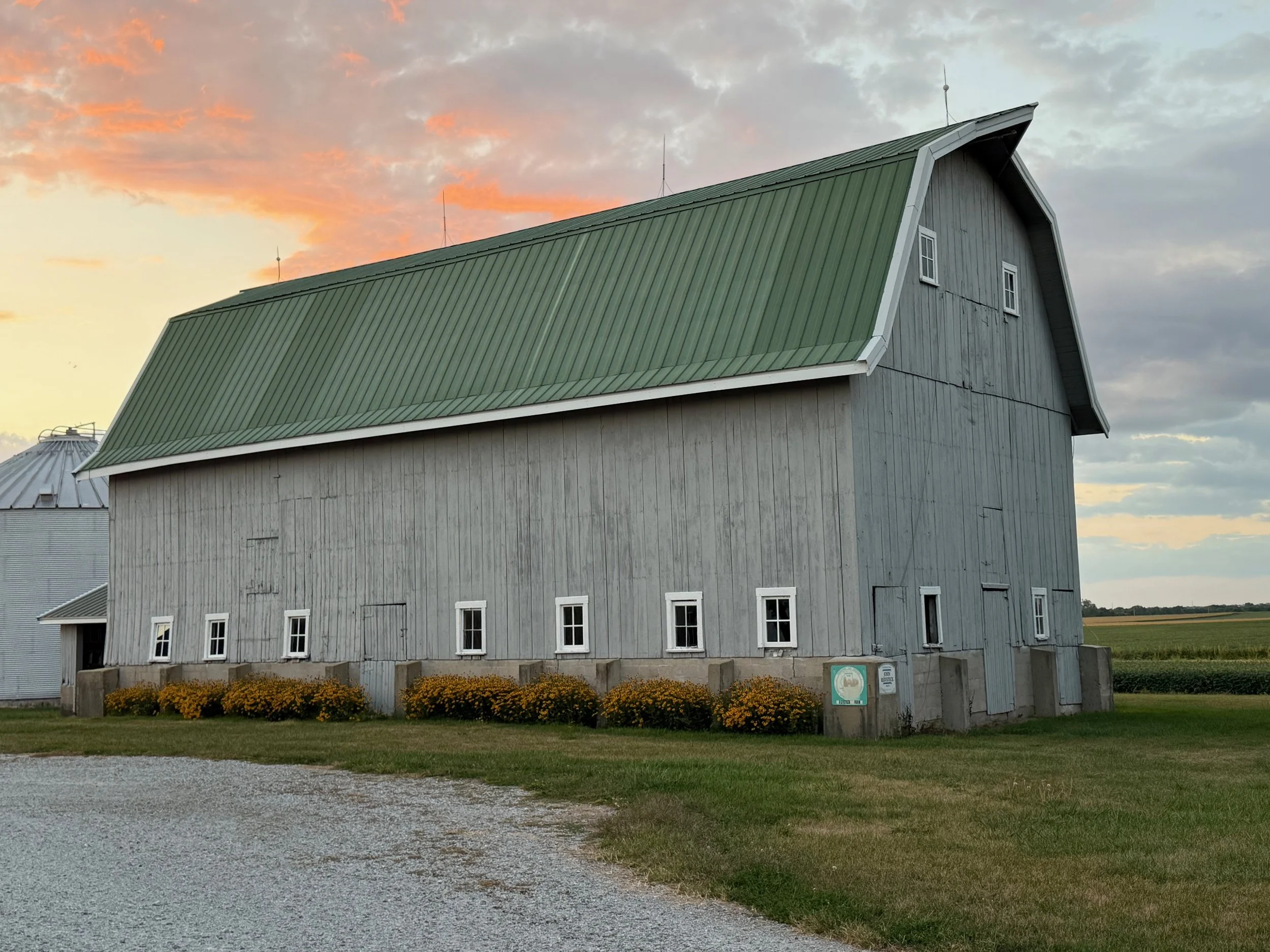
A barn on the Reifsteck farm.
That collaborative approach is central to FIAT, which brings producers and scientists together to develop practical applications of NASA Earth science that respond to farmers' needs.
Reifsteck also sees opportunities for these technologies to help farmers balance the economic and environmental demands of agriculture. Farming in some of the world's most productive soils has given him a deep appreciation for the importance of long-term stewardship.
Pointing to the University of Illinois’ historic Morrow Plots, Reifsteck noted that researchers have found that soil carbon averages 2,200 years old and roughly 60% of the carbon in a plot continuously planted with corn still comes from the native prairie, even after 150 years of cultivation. “The soils, the environment are really, really long-term assets that we have to manage in a long-term way,” he said, emphasizing that decisions made today can shape agricultural productivity for generations to come.
Bringing Farmers and Space Scientists Together
When Reifsteck tells other farmers about his involvement with NASA, their initial reaction is often surprise.
"They don't think of NASA looking back to the Earth, they think of NASA looking out," he explained.
But once he explains how NASA has long studied the Earth and agriculture, and how satellite observations can help address real agricultural challenges, that surprise often turns into excitement.
For Reifsteck, one of the most rewarding aspects of FIAT is the opportunity for farmers and scientists to learn from one another.
"FIAT is a place where you can put together a farmer and a rocket scientist together and have a meaningful conversation," he said. "We don't always speak the same language, but we do have a good conversation when we get together. And I think we learn from each other."
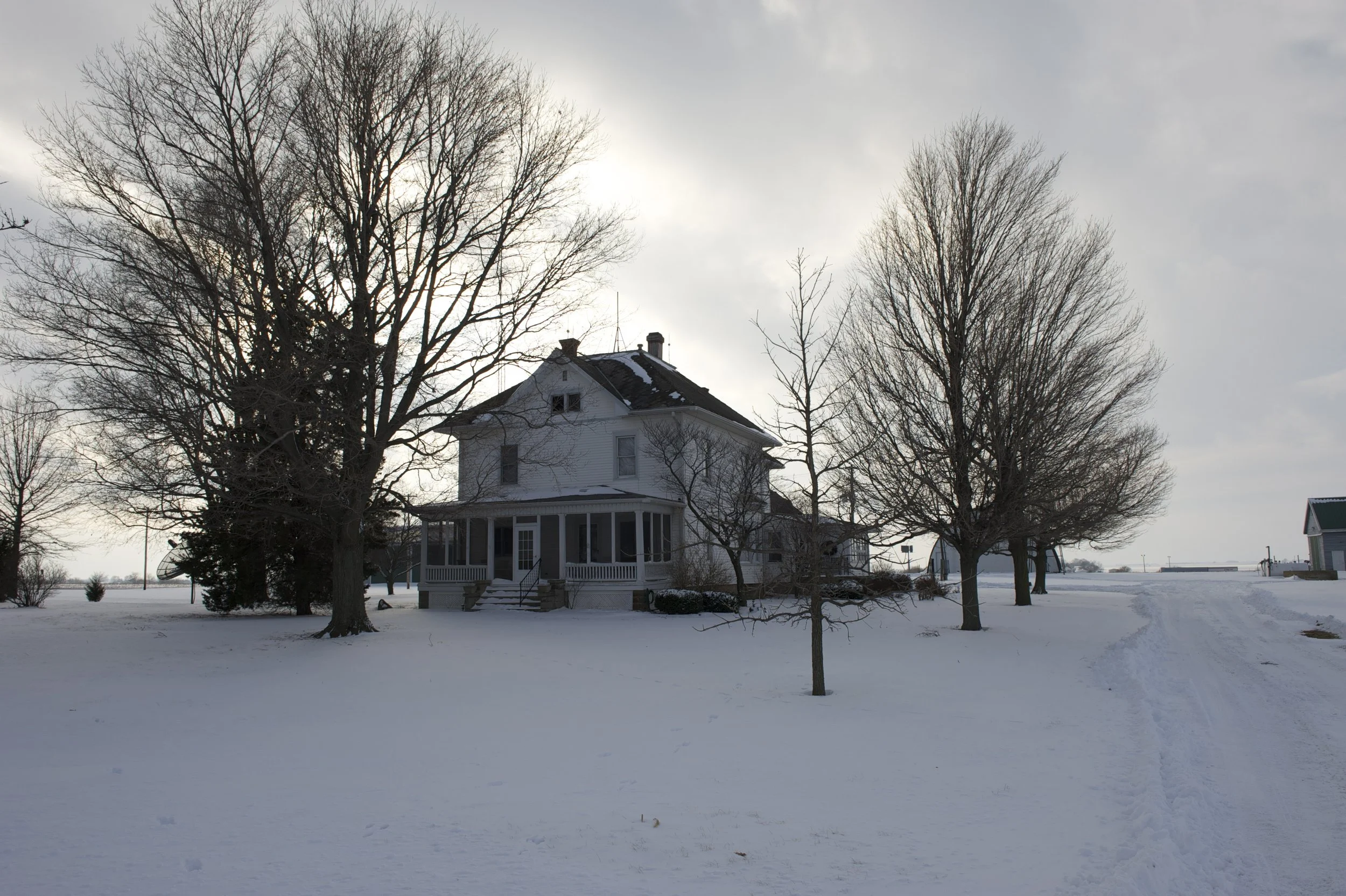
1914 farmhouse where Reifsteck resides.
Looking ahead, he is particularly interested in how artificial intelligence and increasingly comprehensive agricultural datasets might help researchers evaluate new technologies, understand complex farming systems, and identify solutions that truly work in the field.
His advice for other farmers considering joining FIAT emphasizes the importance of actively participating and engaging with the people and opportunities the program brings together.
“You have to show up. You're going to have to read the materials. You're going to have to engage with other people. And if you do that, you're going to find it very rewarding.”
For a farmer who helped pioneer agricultural data sharing, working with NASA Acres represents another opportunity to help move agriculture forward, building on his longstanding belief in the power of better information, practical innovation, and collaboration to make a meaningful difference for farmers.