Collaboration and Innovation for American Agriculture at the NASA Acres Science Meeting
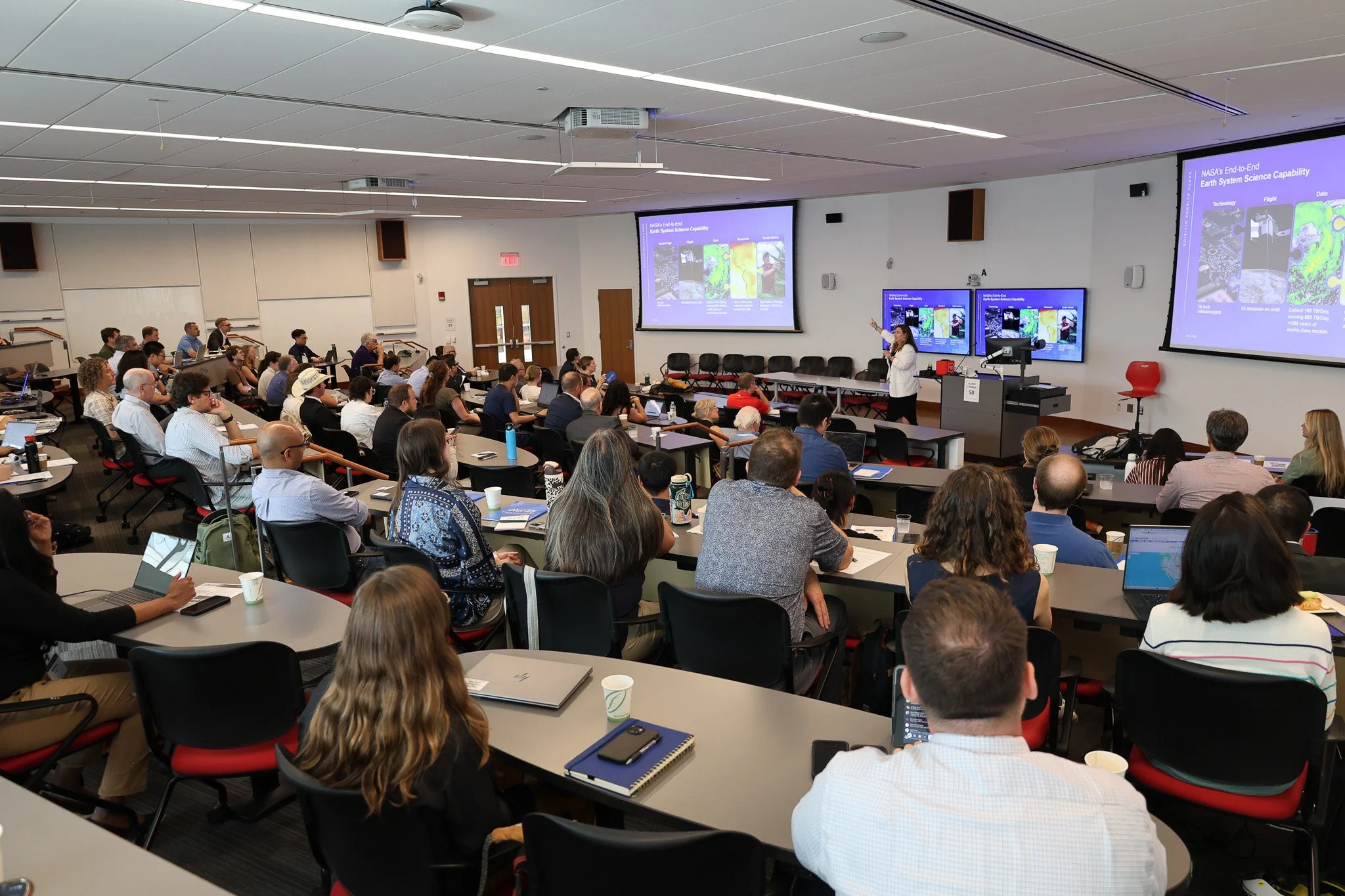
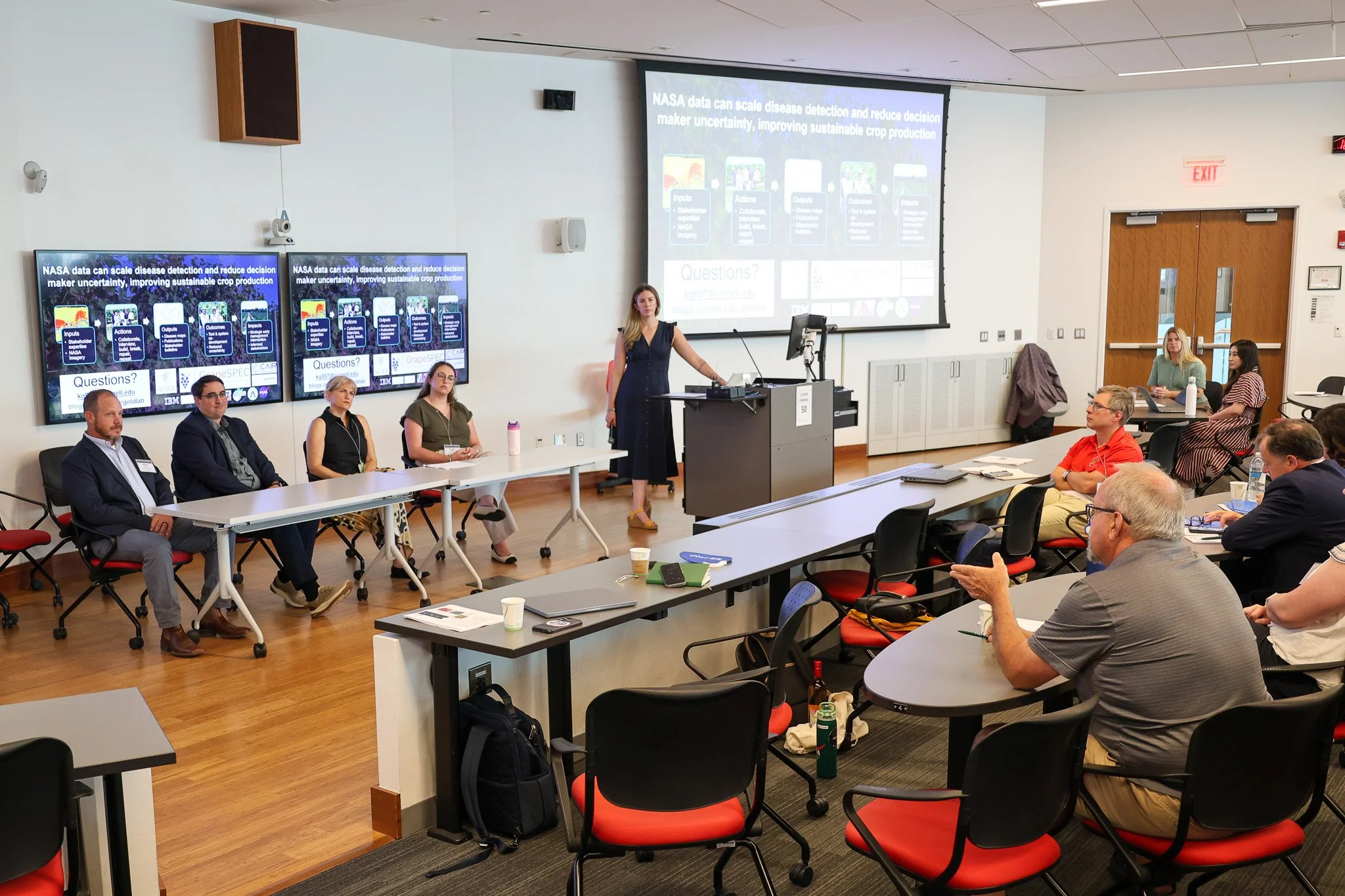
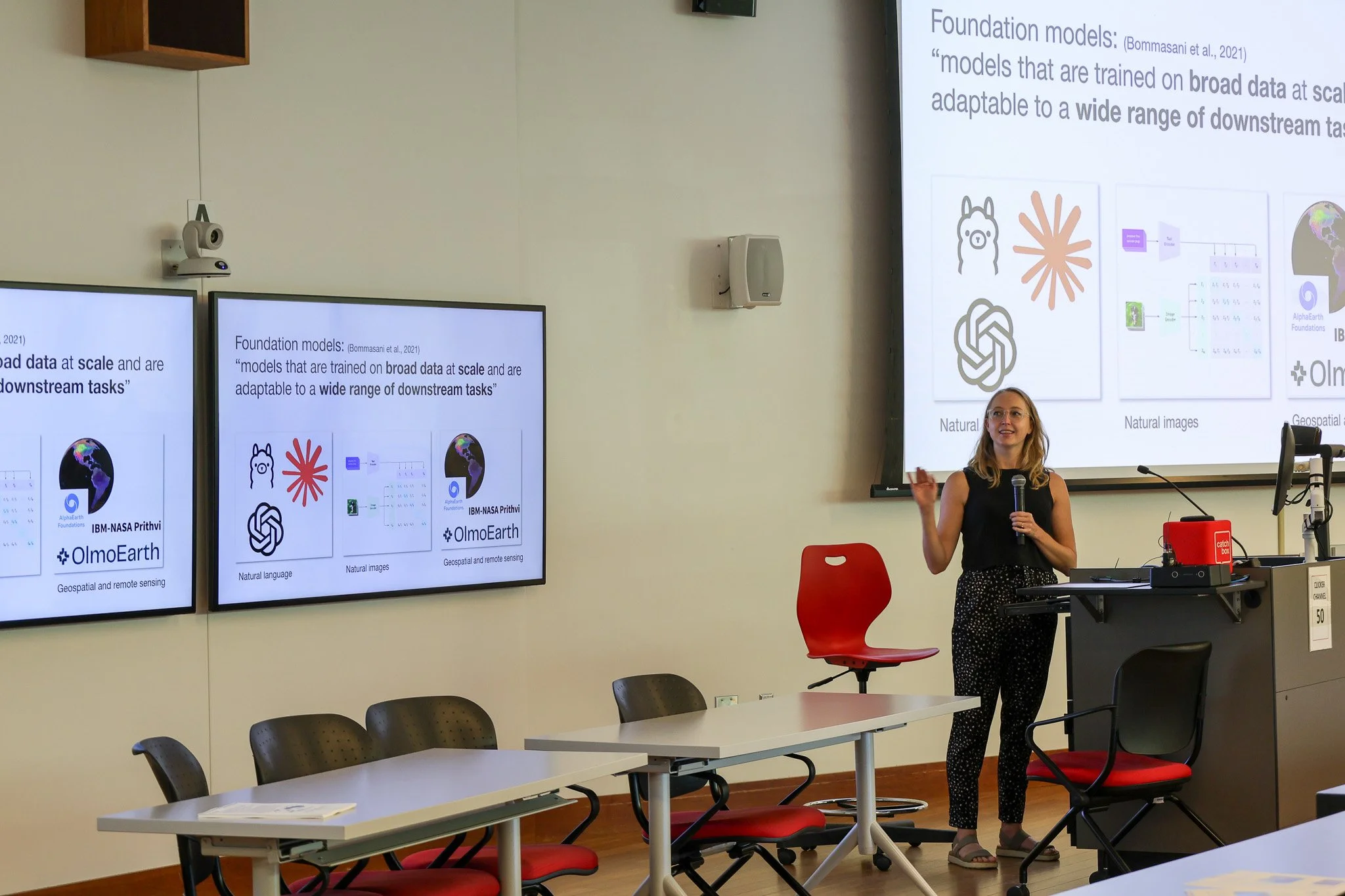
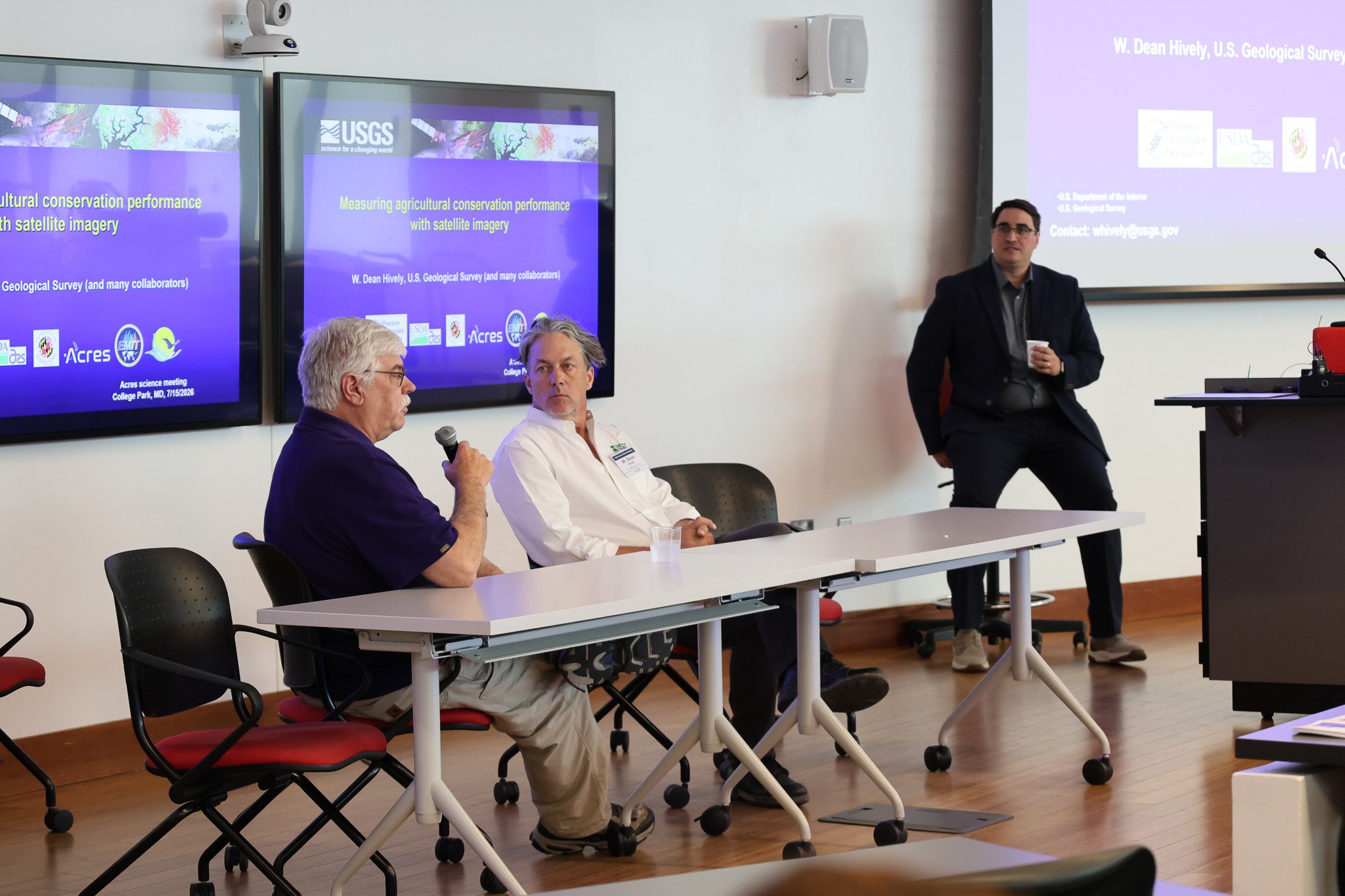
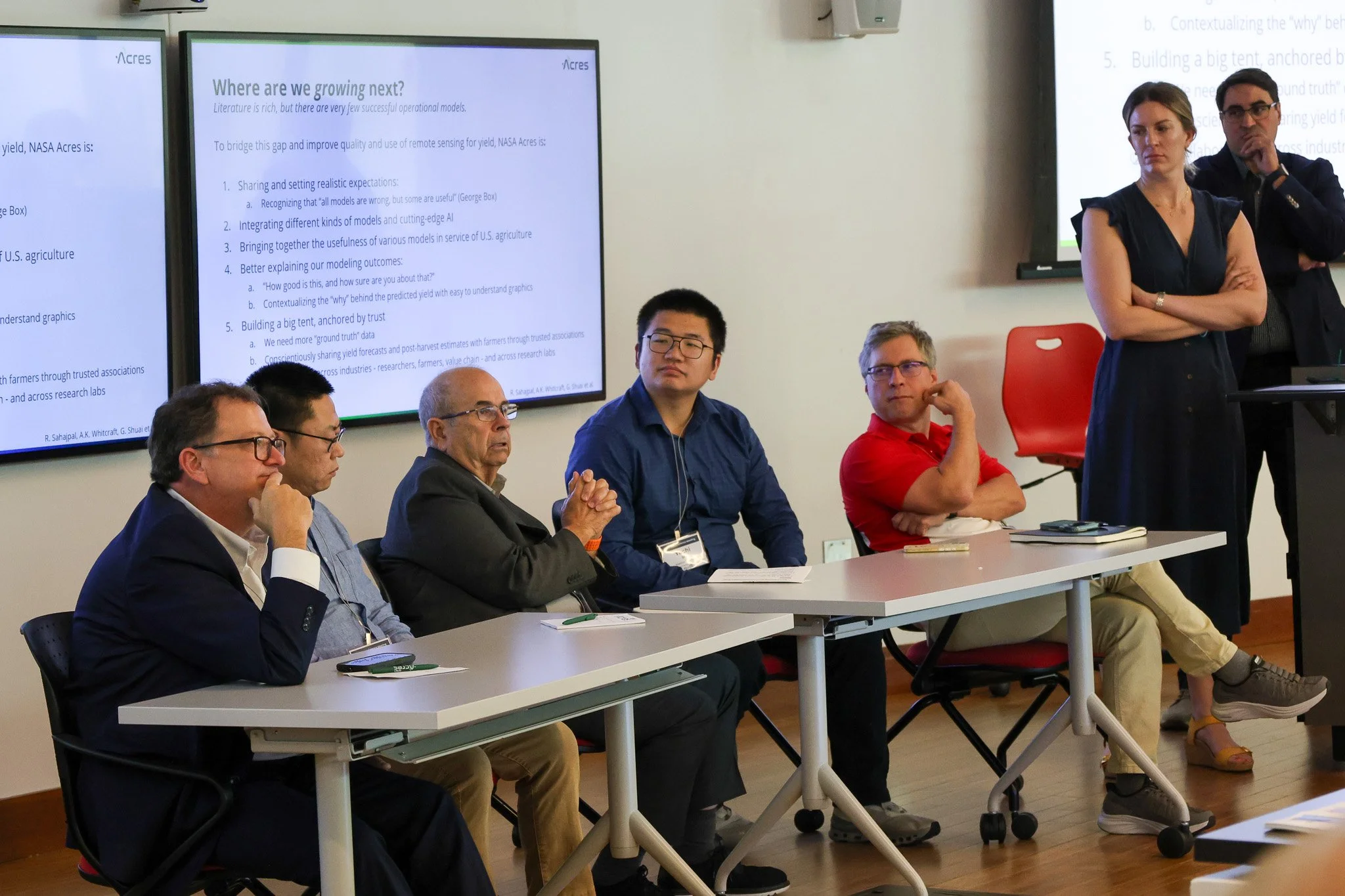
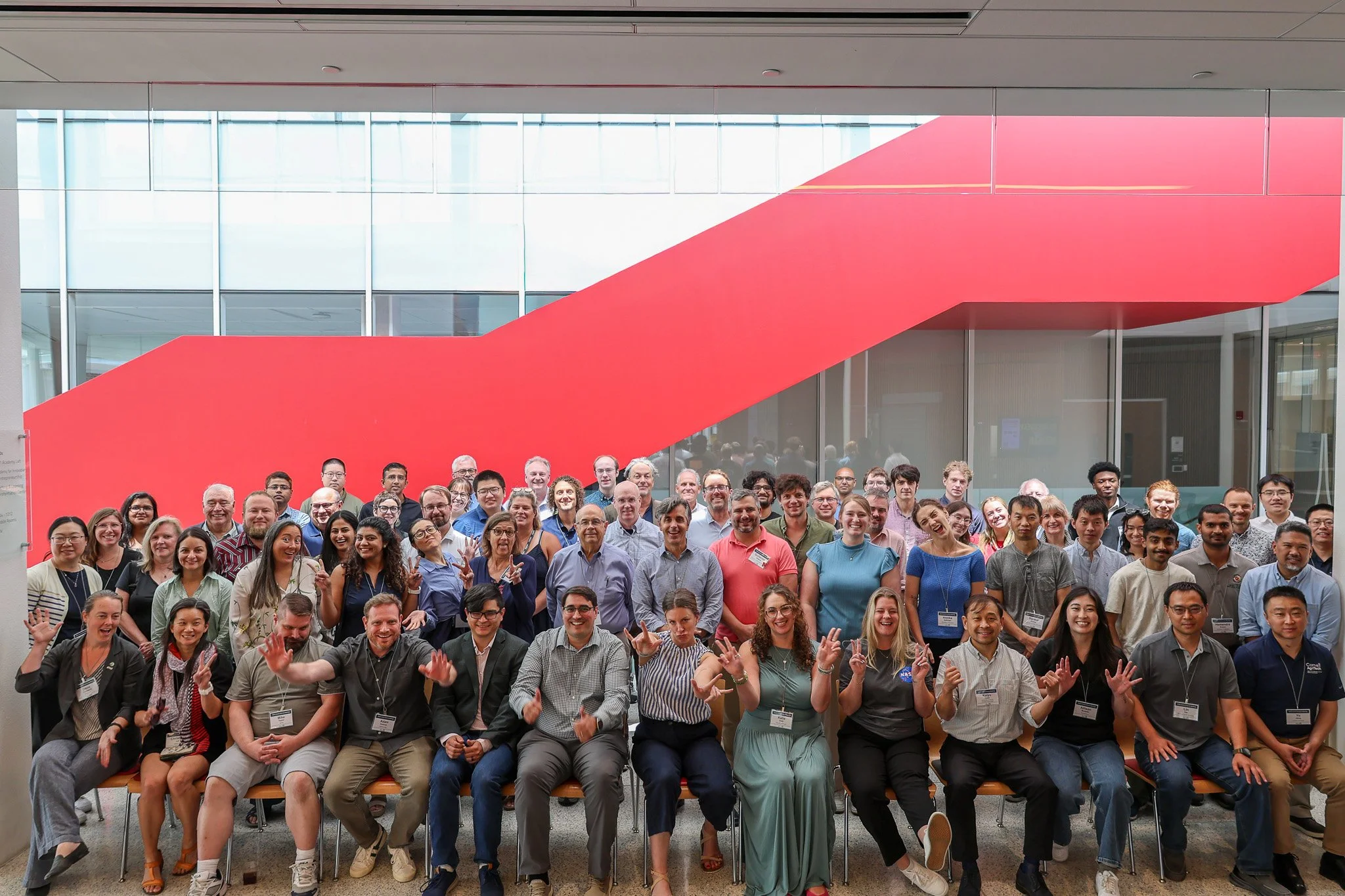
How can NASA Earth observation science better serve American agriculture? That question brought together researchers, farmers, extension professionals, industry leaders, and partners from across the country for the 2026 NASA Acres Science Meeting at the University of Maryland.
Over two days, more than one-hundred participants shared scientific advances, discussed emerging technologies, and identified new opportunities to strengthen the connection between NASA research and agricultural decision-making. The meeting also reinforced the collaborative model that defines NASA Acres by bringing together the people developing new Earth observation technologies with the people who will ultimately use them in the field.
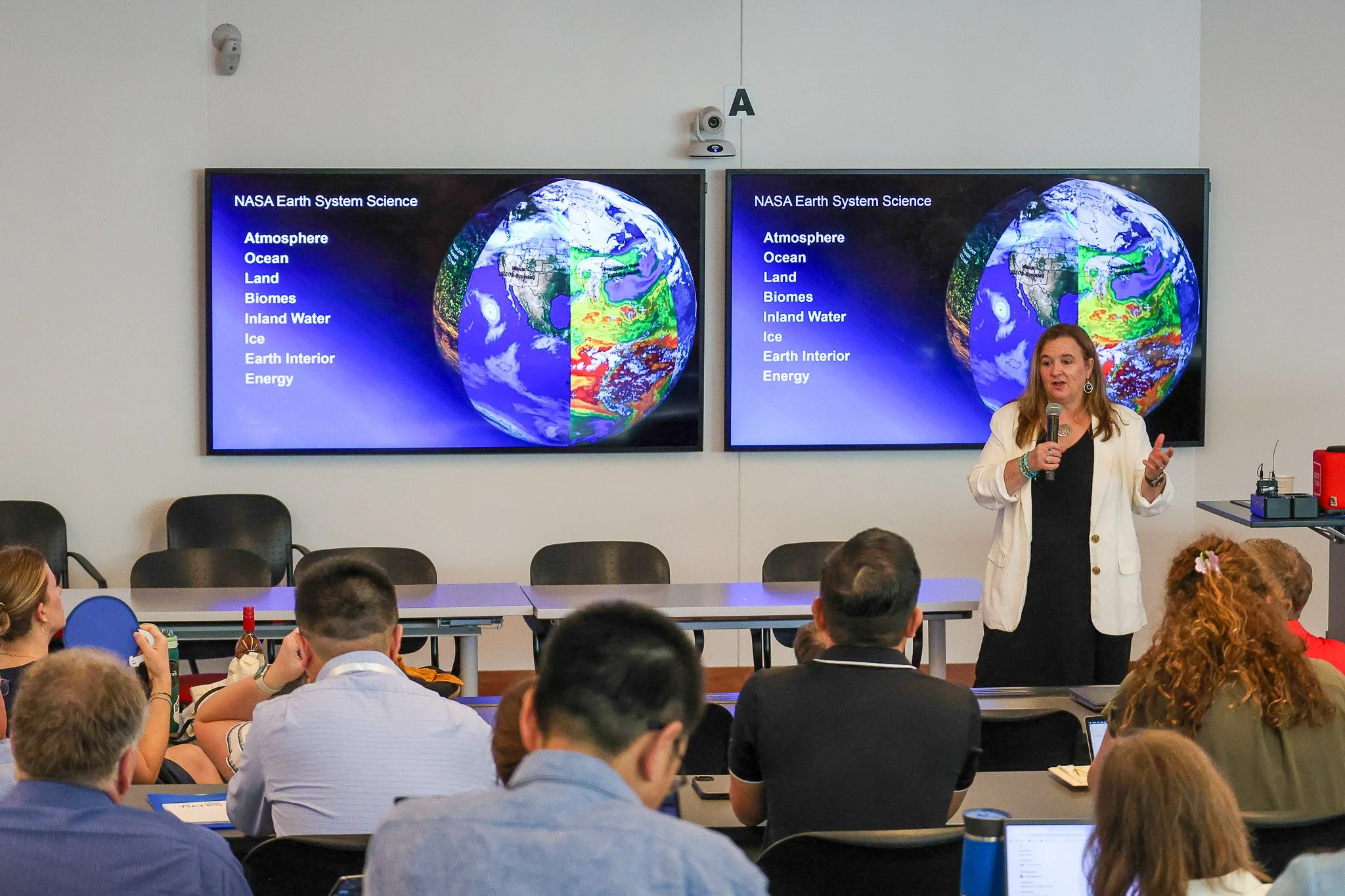
The meeting opened with welcoming remarks from NASA Earth Science Division Director Dr. Karen St. Germain, who emphasized NASA's long-standing commitment to supporting U.S. agriculture through Earth observations and the importance of partnerships in translating scientific discoveries into practical solutions. NASA Acres Executive Director Dr. Alyssa Whitcraft also welcomed participants and helped announce the launch of Seeding Satellite Solutions, a new NASA Acres co-funding partnership program. With founding partners Sorghum Checkoff, USA Rice, and Corteva, the initiative establishes a framework for industry and NASA Acres to jointly design and co-fund projects that address real-world agricultural challenges while supporting cross-region, cross-commodity innovation built on NASA Earth science.
Farmers and Researchers Setting Priorities Together
The first morning showcased the NASA Acres approach by facilitating direct conversations between agricultural producers and researchers.
Facilitated by NASA Acres Chief Agronomist Dr. Ignacio Ciampitti and NASA Acres Strategic Engagement Office Dr. Allison Bredder, the joint farmer-researcher plenary explored where scientific capabilities and on-farm priorities intersect. Rather than researchers simply presenting new technologies, producers and scientists examined challenges together, identifying opportunities for NASA Earth observations to better support decisions throughout the growing season.
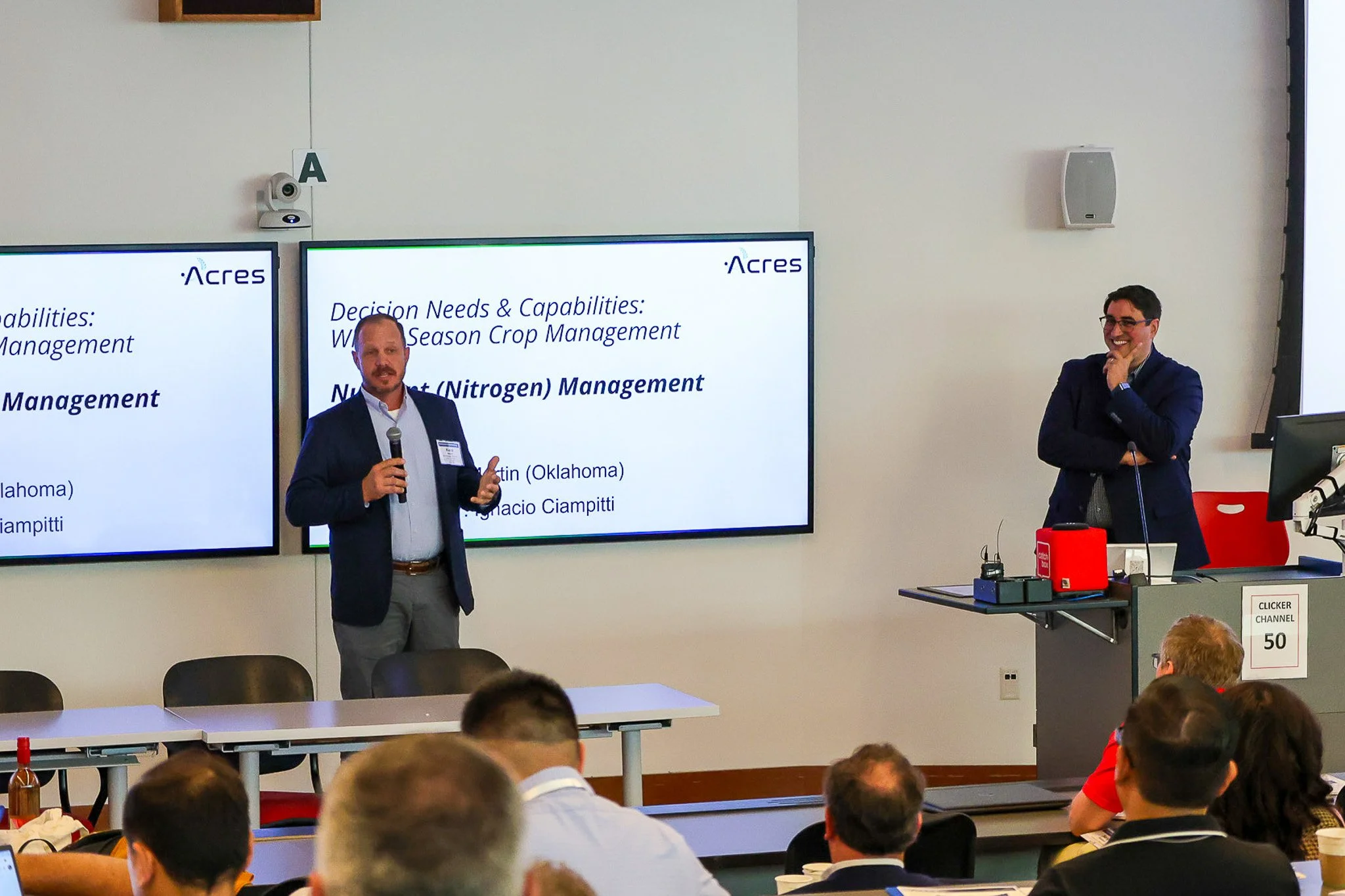
The discussions began with within-season crop and nutrient management, where producer Dr. Kent Martin joined Dr. Ciampitti to discuss how satellite observations can help improve crop management decisions. Disease detection followed, with Donnell Brown of the National Grape Research Alliance and Dr. Katie Gold examining how remote sensing can provide earlier awareness of crop health challenges.
Attention then shifted to economic and operational decision-making. Arkansas producer Brad Doyle joined Drs. Xiaopeng Song and Sergii Skakun to discuss planted acreage estimation and the growing role of Earth observations in agricultural economics, while Illinois farmer John Reifsteck, Dr. Alyssa Whitcraft, and Dr. Yuchi Ma explored advances in crop yield forecasting that can improve planning throughout the supply chain.
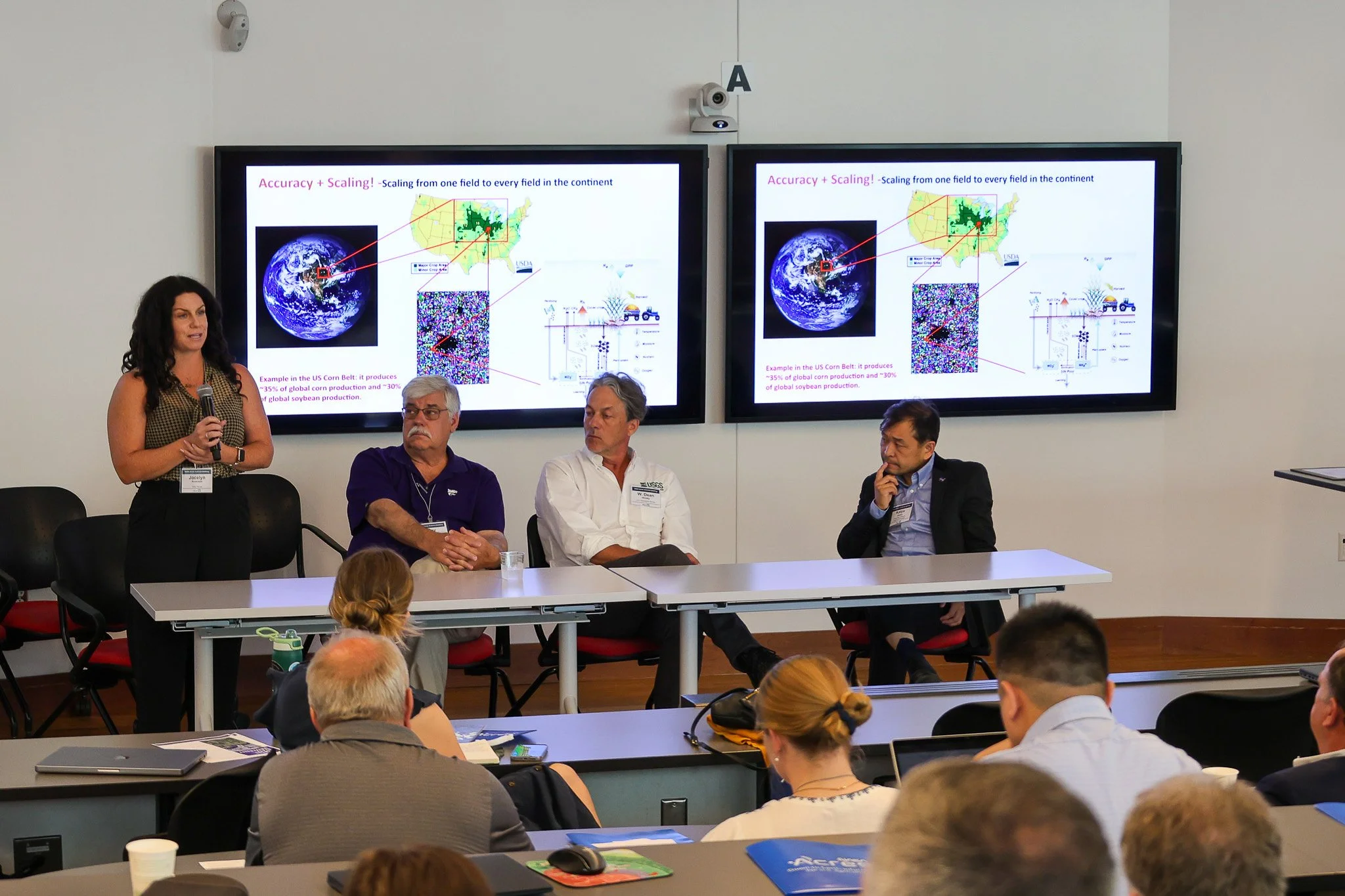
The morning concluded with discussions about new revenue opportunities for producers. Kansas farmer Ray Flickner and Dr. W. Dean Hively highlighted NASA Acres research supporting conservation programs such as cover crops and no-till management, while California producer Jocelyn Anderson and Dr. Kaiyu Guan explored emerging approaches for measuring outcomes that support carbon markets.
Advancing the NASA Acres Research Portfolio
The afternoon focused on scientific progress across the NASA Acres Consortium.
NASA Agriculture Program Area Manager Dr. Ashutosh Limaye opened the session with NASA's perspective on agricultural research before NASA Acres Chief Scientist Dr. Kaiyu Guan outlined the Consortium's scientific vision, emphasizing the importance of translating stakeholder needs into the next generation of NASA Acres research.
Researchers then showcased advances throughout a broad range of scientific disciplines within the Consortium. Dr. Lin Yan presented progress in supporting farm management with integrated field boundaries and yield data throughout the continental United States. Dr. Sergii Skakun highlighted approaches for crop type and planted acreage estimation, while Dr. Guanyuan Shuai shared improvements in crop yield forecasting. Dr. Ignacio Ciampitti discussed remote sensing applications for crop quality, and Dr. Chris Hain presented advances in agrometeorology that improve understanding of crop conditions throughout the growing season.
Additional presentations focused on helping producers respond more effectively to changing conditions. Dr. Kaiyu Guan shared new work in nitrogen management and Dr. Alex Ruane discussed agricultural modeling and scenario analysis. Drawing on examples including flooding in Hawai’i and derechos in Iowa, Dr. Hannah Kerner presented rapid response capabilities for agricultural monitoring. Lastly, Dr. Katie Gold highlighted ongoing advances in satellite-enabled crop disease detection.
The day concluded with a networking session that provided opportunities for participants to exchange ideas, build new collaborations, and explore research within the broader NASA Acres portfolio.
Emerging Technologies for the Next Generation of Agricultural Decision Support
The second day looked toward the future of Earth observation science and its applications in agriculture.
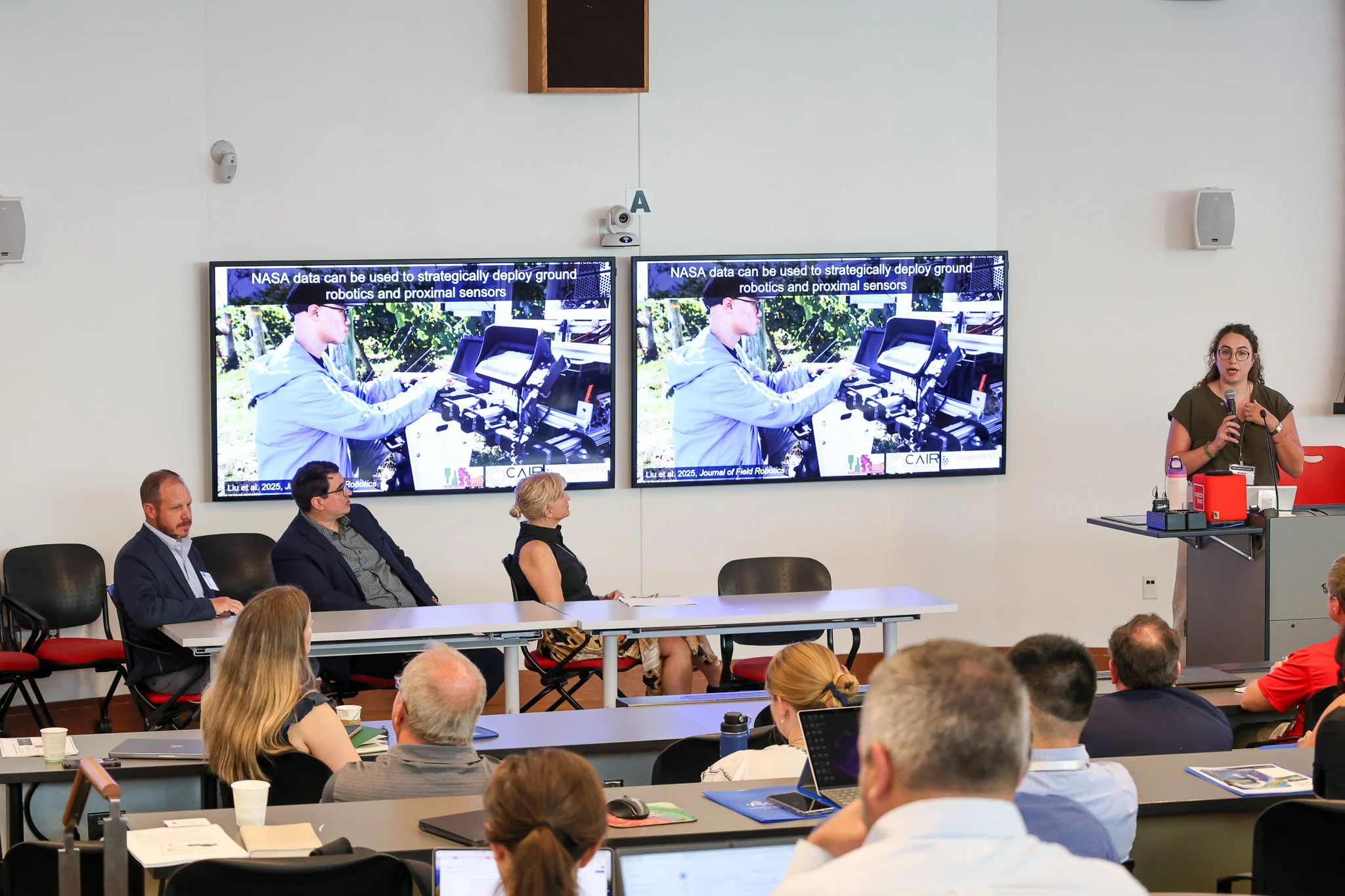
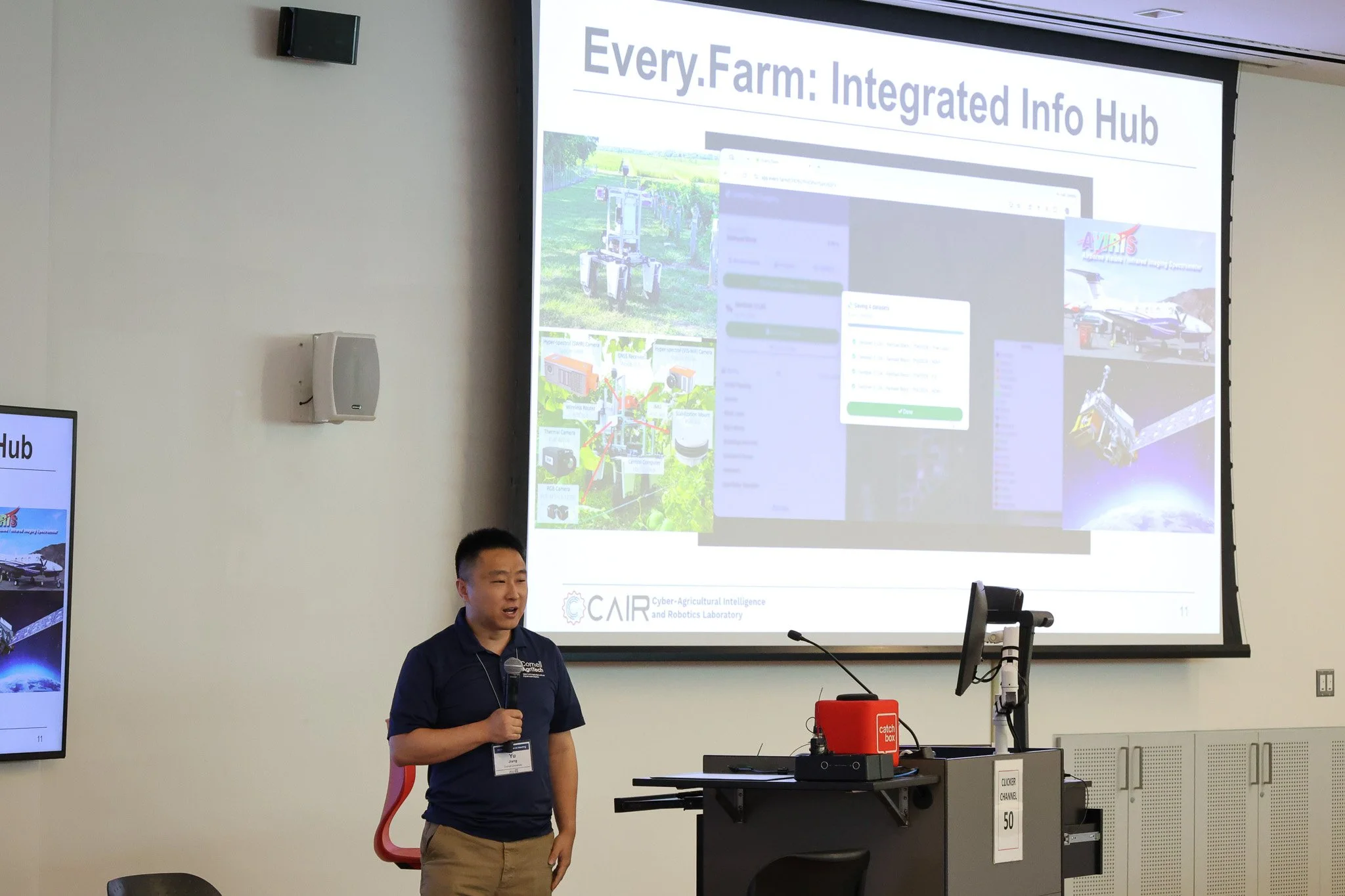
Following opening remarks from NASA Acres leadership, the morning keynote session explored how artificial intelligence is reshaping agricultural remote sensing. Dr. Hannah Kerner introduced emerging geospatial foundation models, Dr. Licheng Liu discussed knowledge-guided AI that combines machine learning with scientific understanding, and Dr. Yu Jiang demonstrated the potential of agentic AI systems to help users interact more effectively with agricultural information and decision-support tools.
The meeting then returned to ongoing NASA Acres research supporting regenerative agriculture and environmental outcomes. Drs. W. Dean Hively and Alison Thieme presented work evaluating cover crop performance, Dr. Yuchi Ma examined the impacts of tillage practices, Dr. Stephen Ogle discussed soil carbon and greenhouse gas modeling, and Daniel Cleveland and Dr. Tony Vorster explored applications supporting regenerative ranching systems. Together, these projects demonstrate how NASA Earth observations can help quantify the environmental and economic benefits of conservation practices.
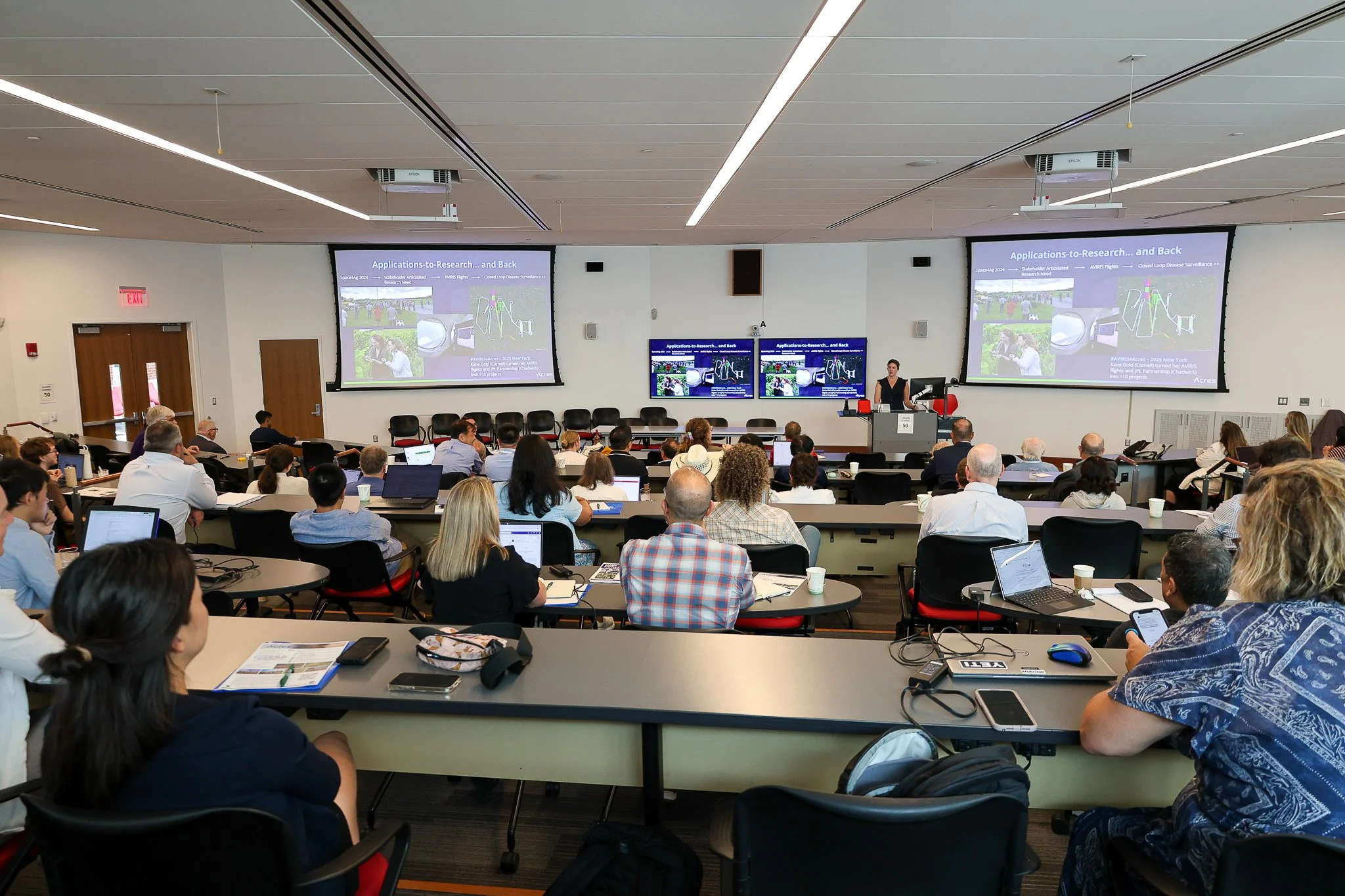
Sessions on new and emerging science highlighted the expanding capabilities of NASA's Earth observing systems. Dr. Dana Chadwick presented applications of hyperspectral sensing for agriculture, Dr. Mike Cosh discussed soil moisture observations from the NISAR mission, Dr. Christine Lee explored thermal remote sensing, and Dr. Hankui Zhang demonstrated advances in satellite data fusion that combine multiple sources of Earth observations into more comprehensive products for agricultural applications.
The scientific program concluded with presentations illustrating how NASA Acres is expanding beyond traditional remote sensing. Dr. Rod Rejesus examined crop resilience, Dr. Mike Humber presented work on supply chain dashboards and economic scenarios, Dr. Forrest Melton highlighted irrigation and water management through OpenET, and Dr. Guanyuan Shuai introduced confidential computing frameworks designed to enable secure collaboration around agricultural data.
Looking Ahead
The meeting concluded with collaborative breakout sessions where participants identified emerging scientific opportunities, discussed future research priorities, and explored new partnerships. During the closing synthesis attendees reflected on how the ideas shared throughout the meeting can help guide the next phase of NASA Acres research and strengthen its impact for American agriculture.
The NASA Acres Science Meeting was more than a forum for sharing research results. It was an opportunity to align scientific innovation with real-world agricultural needs, strengthen partnerships across disciplines and institutions, and ensure NASA Earth observation science continues delivering practical benefits to farmers, ranchers, agricultural businesses, and decision-makers around the United States. By bringing together expertise from NASA, universities, industry, extension, and the agricultural community, NASA Acres continues to advance its mission of moving Earth observation science from orbit to the field.