
NASA Acres Science Meeting Bio Book
Based on submissions received by 7/10. People are listed in alphabetical order by last name within each category.
NASA Acres Leadership
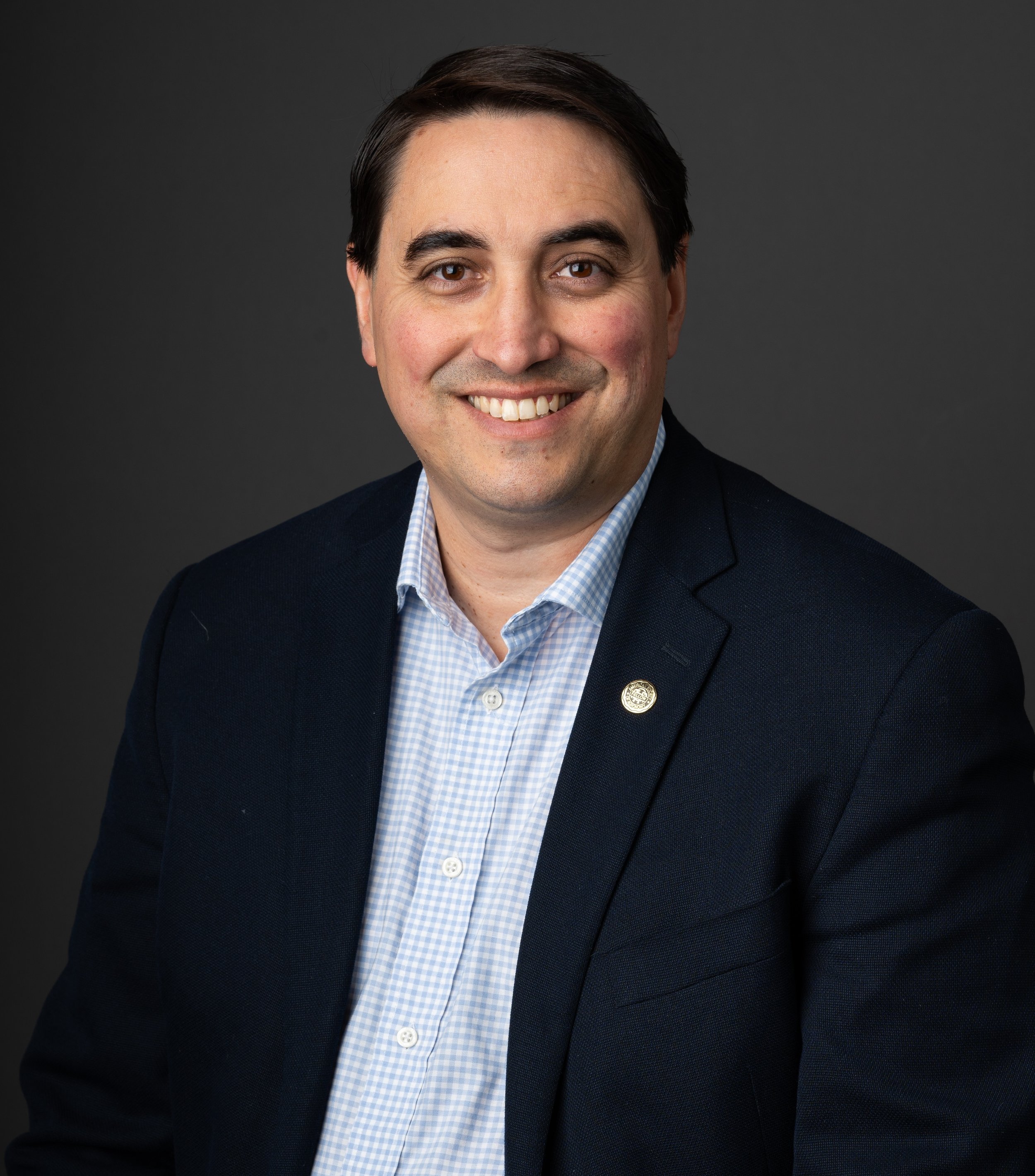
Ignacio Ciampitti
Chief Agronomist, NASA Acres; FIAT Co-Lead; Purdue University
Ignacio Ciampitti is a Professor of Digital and Quantitative Agriculture in the Department of Agronomy at Purdue University, and he is the Chief Agronomist NASA Acres, co-lead Farmer Innovation Ambassador Team (FIAT) NASA Acres. Ciampitti's research explores the integration of crop eco-physiology and plant nutrition with data science, remote sensing and crop modeling tools. Ciampitti has trained many graduate students, research scholars and post-doctoral researchers, and led critical key projects with industry and farmers around the globe.
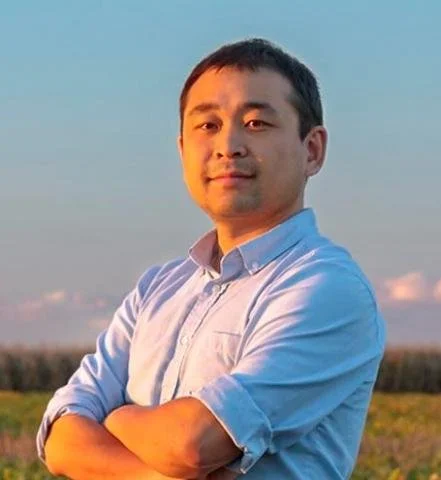
Dr. Kaiyu Guan
Chief Scientist, NASA Acres; UIUC
Dr. Kaiyu Guan is the Levenick ACES Endowed Professor, Blue Waters Professor for supercomputing, and the Founding Director of Agroecosystem Sustainability Center at the University of Illinois Urbana-Champaign (UIUC). Dr. Guan is also the Chief Scientist for the NASA Acres Program. He received his PhD at Princeton University and was a postdoc fellow at Stanford University before he joined UIUC in 2016. His research group uses computational models, satellite data, field work, and Artificial Intelligence to address how climate and human practices affect crop productivity, water resource availability, and ecosystem functioning. Guan's group aims to increase our society's resilience and adaptability to maintain sustainability of ecosystem services, food security and water resources. Guan has published 180+ papers in leading scientific journals. Guan leads multiple major federal grants from NASA, NSF, DOE, and USDA. Guan is the awardee of AGU James Macelwane Medal, AGU fellow, NSF CAREER Award, NASA New Investigator Award, AGU Early Career Award in Global Environmental Change, FoodShot Global GroundBreaker Prize, and Agricultural Research Innovation Award of Excellence.
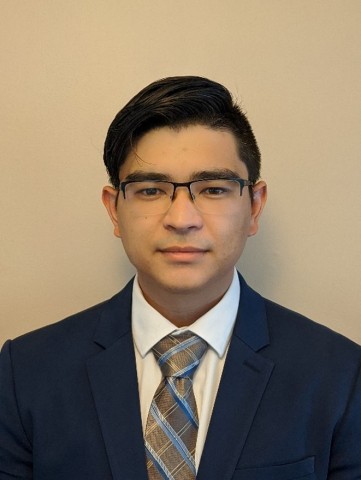
Mike Humber
Deputy Director, NASA Acres
Mike is an Associate Research Professor in Geographical Sciences at the University of Maryland. He serves as the Deputy Director of the NASA Acres Consortium and Data Lead for NASA Harvest. He has nearly 15 years of experience in satellite remote sensing and Earth observation for agriculture and wildfire mapping, and has taught and mentored countless students, which has led to the interest in workforce development that he brings to NASA Acres.

Dr. Alyssa Whitcraft
Executive Director, NASA Acres
Alyssa is a Research Professor in Geographical Sciences at the University of Maryland. She is the founding Executive Director of NASA Acres, which grew out of 18 years of remote sensing experience focused mainly on agriculture, food security, and sustainability. She has held leadership roles in multiple international initiatives, most notably as Programme Scientist for GEOGLAM, a G20 program that uses satellite data to promote food security. She co-leads the Farm Innovation Ambassador Team (FIAT), which grew in part out of her experience as a winery kid in California.
NASA Acres Operations
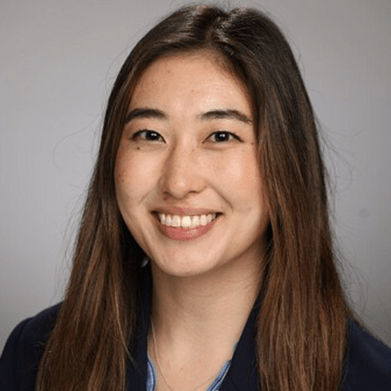
Allison Bredder
Strategic Engagement Officer, NASA Acres
I serve as the Strategic Engagement Officer for NASA Acres (NASA's U.S. agriculture consortium). My work focuses on ensuring that advanced satellite data provides tangible value to American farmers and rural communities. Whether I'm collaborating with researchers, supporting workforce readiness initiatives, or engaging directly with producers, I act as the bridge between space science and real-world agricultural resilience. I completed my PhD in Geographical Sciences at the University of Maryland, where I focused on remote sensing and machine learning to track the health impacts of wildfires.
Jacob Orser
Program Support Specialist, NASA Acres
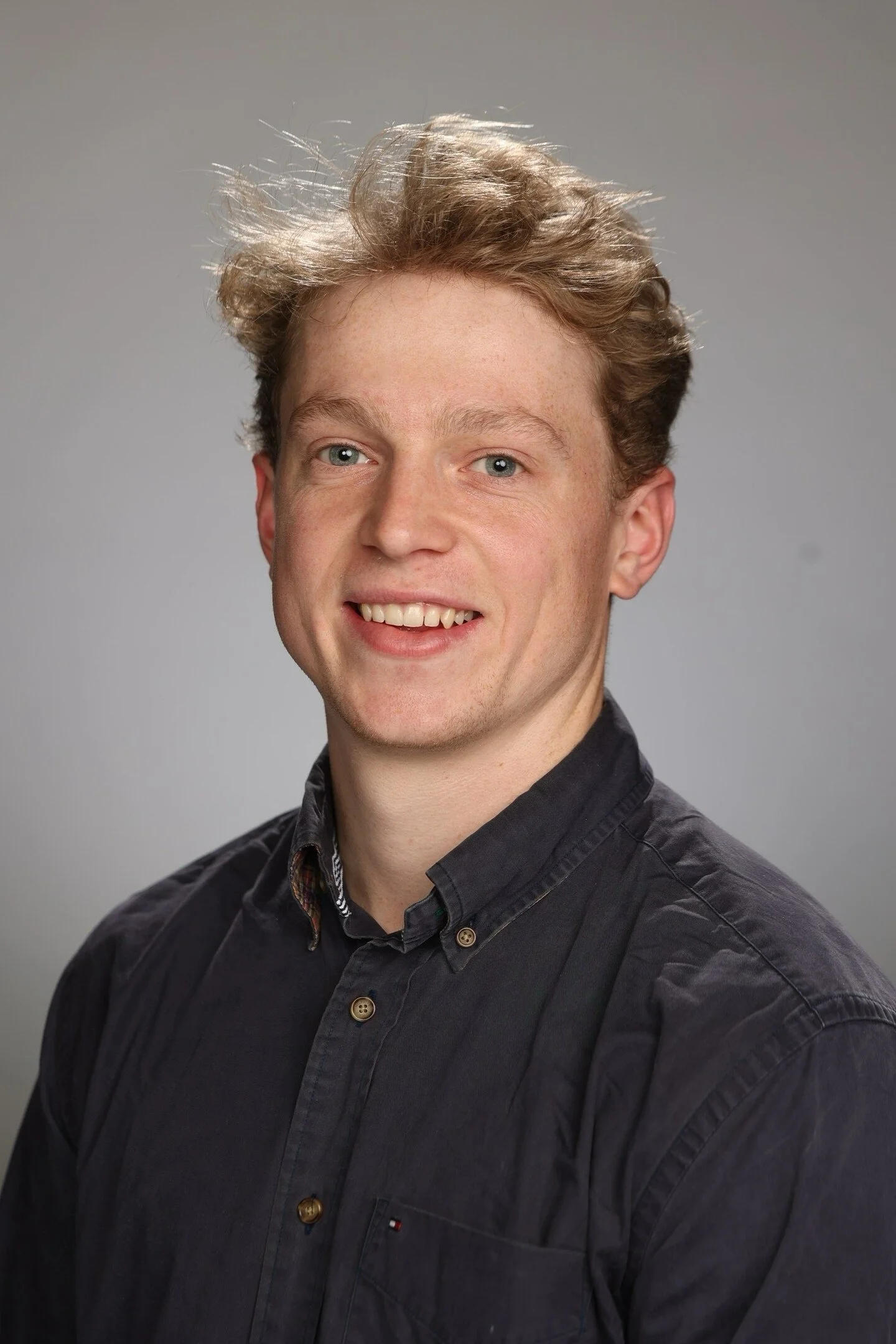
Jacob serves as a Program Support Specialist at NASA Acres. His supports both workforce development and technical data initiatives. His work includes creating curriculum with Community Colleges, app development and the acres data portal.
Adam Zwerner
NASA Acres
Adam Zwerner leads communications and outreach for NASA Acres, NASA's Agriculture Consortium based at the University of Maryland, where he advances the use of NASA Earth observation data in U.S. agriculture through strategic engagement with internal and external stakeholders. He brings extensive experience supporting federal agencies, international NGOs, and the private sector across the U.S. and globally.
NASA HQ
Cordelia Hiers Brady
NASA Agriculture Program Coordinator
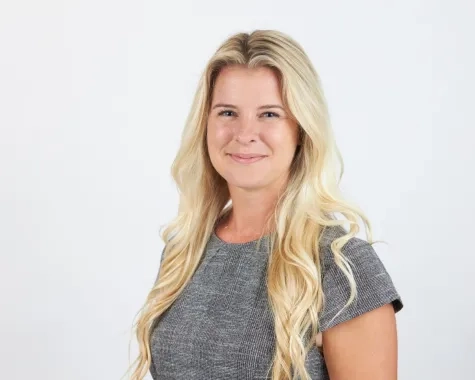
Cordelia is the Coordinator for NASA's Applied Sciences agriculture application area. In this role, Cordelia works with program element teams to develop goals and metrics and identify measures of program and project progress success & impact and use indicators to track portfolio performance. She was previously at the Foundation for Food and Agriculture Research as a Scientific Program Officer. She has a M.A. in agricultural business & economics and a B.A. in agriculture science.

Aries Keck
NASA HQ Comms
Aries Keck is a data user specialist for NASA's Earth Science Division. Keck focuses on using communications skills to increase the number of people using Earth science data, focusing on getting NASA resources and expertise into the hands of people who can put that data to work. This effort, called Earth Action, is a focus of the NASA Earth Science Division.
Dr. Ashutosh Limaye
NASA
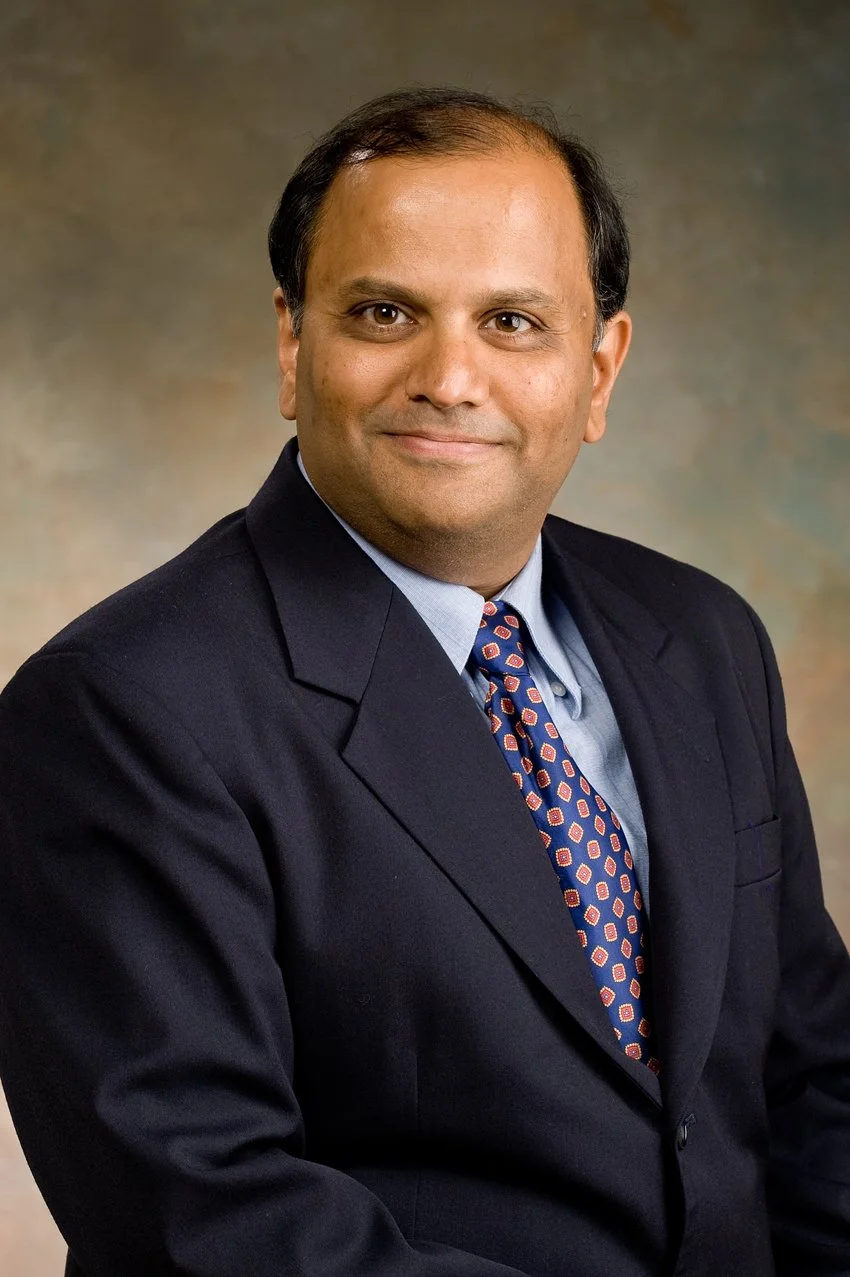
Dr. Ashutosh Limaye serves as the Agriculture Program Manager for Earth Action within NASA's Earth Science Division at Headquarters in Washington, D.C. In this role, he manages a diverse portfolio of activities dedicated to leveraging NASA Earth observations to create actionable solutions for agricultural communities across the United States and globally.

Karen St. Germain
Director, Earth Science Division, NASA
Karen St. Germain is the director of the Earth Science Division at the National Aeronautics and Space Administration. Previously, St. Germain was deputy assistant administrator for systems at the National Oceanic and Atmospheric Administration in the Department of Commerce. Dr. St. Germain holds a Bachelor of Science degree in electrical engineering from Union College (1987) and a Doctor of Philosophy degree in Electrical Engineering from the University of Massachusetts (1993). She is also a Distinguished Graduate of the National War College, National Defense University where she earned a Master of Science degree in National Security Strategy in 2013.
NASA Acres Research, Development & Extension Partner
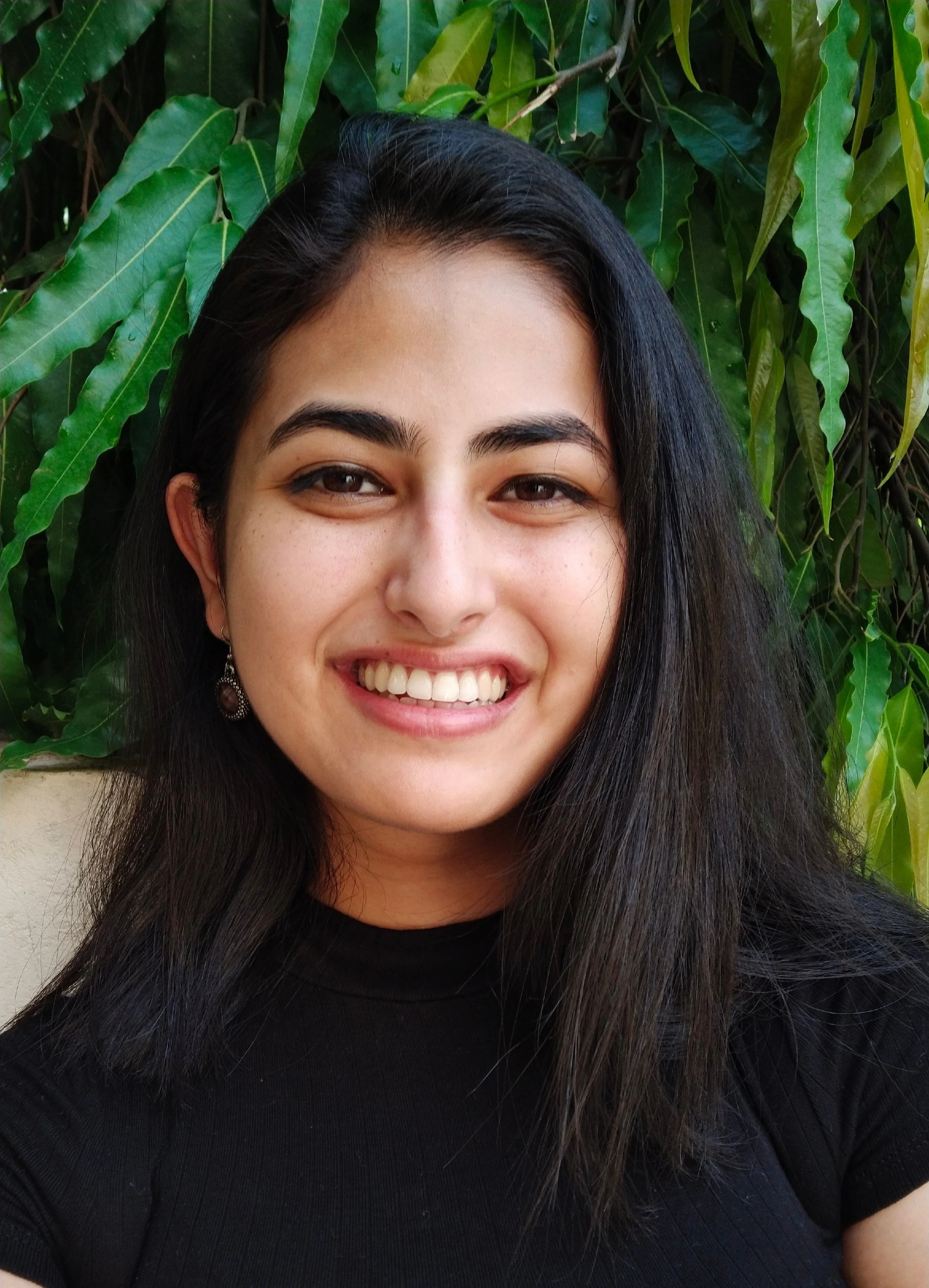
Shivranjani (Jani) Baruah
Cornell University
Shivranjani Baruah is a Postdoctoral Associate at Cornell AgriTech. Her research focuses on crop disease epidemiology, combining remote sensing, plant biochemistry, and mathematical modeling to develop workflows for disease detection, monitoring, and management in grape production systems in New York and California.
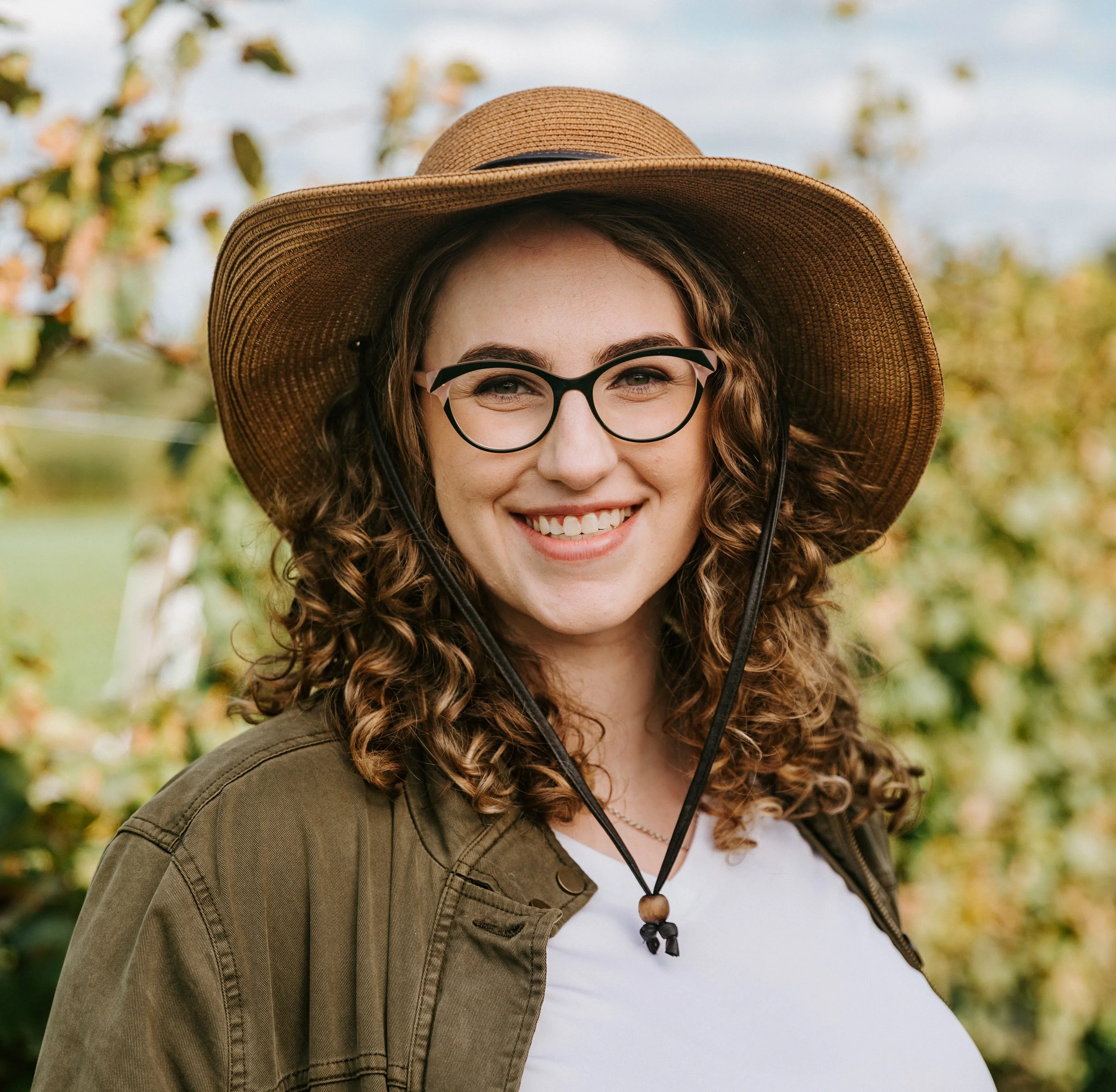
Dr. Katie Gold
Cornell University
Dr. Katie Gold is Assistant Professor of Grape Pathology and Extension Specialist at Cornell University and leads the Grape Sensing, Pathology, and Extension Lab (GrapeSPEC) at Cornell AgriTech. Her research integrates plant pathology, remote sensing, and artificial intelligence to improve grape disease detection and management. Gold is particularly known for pioneering the use of hyperspectral imaging and imaging spectroscopy for plant disease applications and serves as the Pest and Disease Risk Mitigation Lead for NASA Acres. Her work is rooted in close collaboration with growers and industry stakeholders to develop practical, science-based tools for more precise and sustainable crop protection.
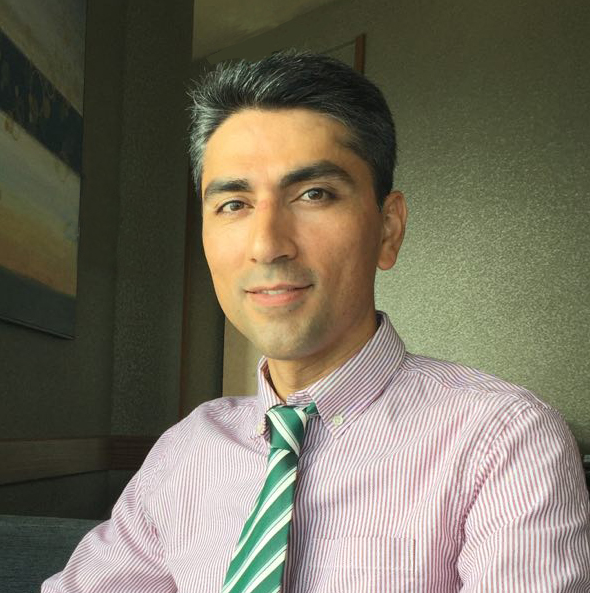
Dr. Mehdi Hosseini
UMD
Dr. Mehdi Hosseini is an Associate Research Professor in the Department of Geographical Sciences at the University of Maryland. His research focuses on remote sensing, synthetic aperture radar (SAR), soil moisture monitoring, precision agriculture, and environmental applications of machine learning. He develops satellite-based approaches for high-resolution soil moisture mapping, irrigation management, drought monitoring, and disaster assessment. His work has supported agricultural and environmental monitoring effororts across North America and internationally, with an emphasis on translating Earth observation data into operational decision-support tools for sustainable resource management.

Hannah Kerner
Arizona State University
Hannah Kerner is an Assistant Professor in the School of Computing and Augmented Intelligence at Arizona State University. Her research focuses on advancing the foundations and applications of machine learning to foster a more sustainable, responsible, and fair future for all. Her lab's research topics include machine learning for remote sensing, algorithmic bias, and machine learning theory. She translates research advances to real-world impact through her roles as the AI/Machine Learning Lead for NASA Harvest and NASA Acres, Center Faculty for the ASU Center for Global Discovery and Conservation Science (GDCS), and Research Advisor for Taylor Geospatial. She has been recognized by multiple prestigious research awards including NSF CAREER (2025), Schmidt Sciences AI2050 Early Career Fellowship (2025), and Forbes 30 Under 30 in Science (2021).

Hanjun Lu
NC State University
I am a Postdoctoral Research Scholar in the Department of Agricultural and Resource Economics at NC State University. My research applies advanced econometrics to address agricultural risks, environmental economics, and producer decision-making. My recent award-winning work on structural changes in crop yield distributions suggests actionable insights that could contribute to more resilient agricultural systems. Collaborating with my advisor, Dr. Roderick Rejesus, NASA Acres, and the Maryland Department of Agriculture, I investigate the effectiveness of different payment structures in the Maryland Cover Crop Program using satellite-derived biomass estimates. The results offer important implications for program design. (Headshot not yet submitted.)
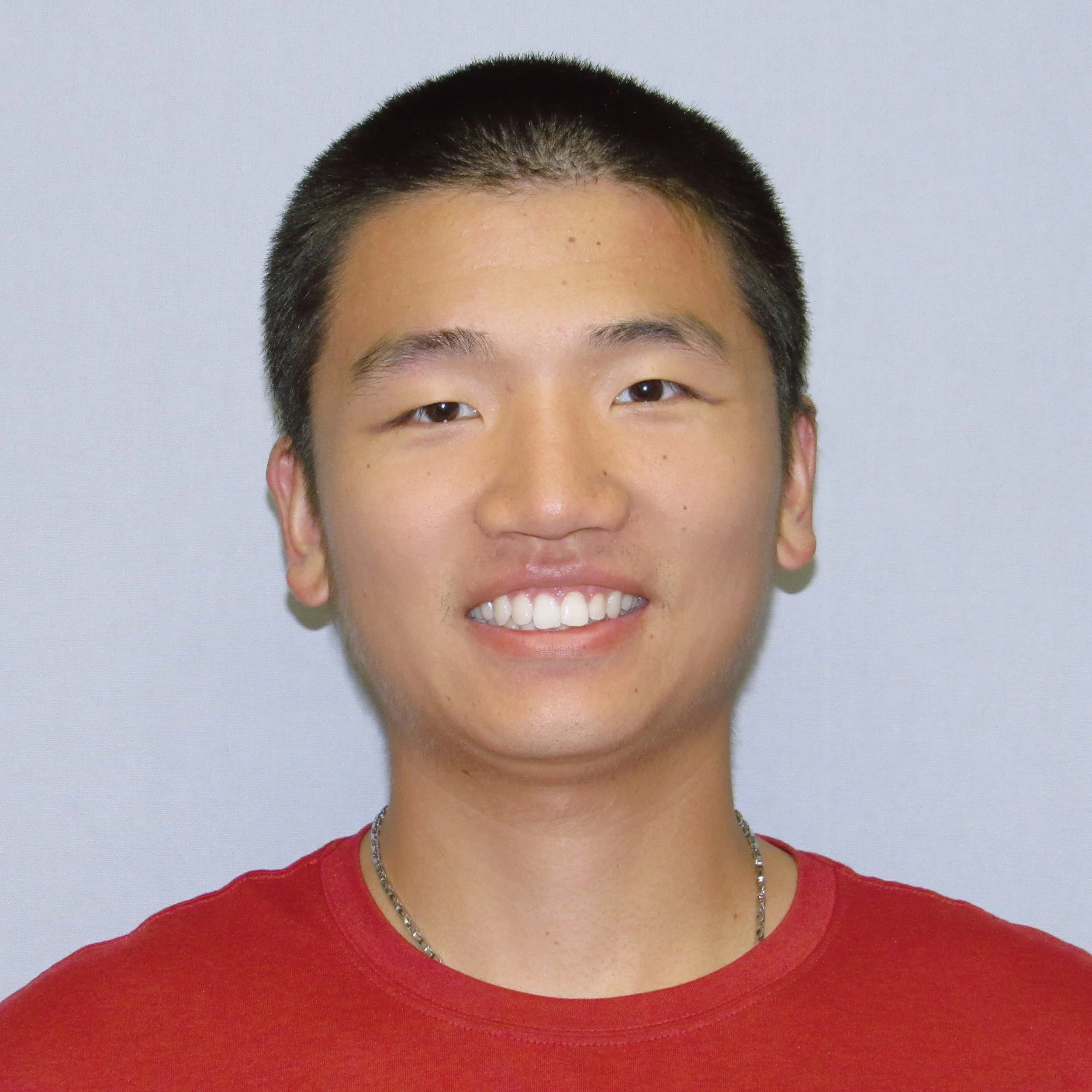
Dr. Yuchi Ma
Stanford University
Dr. Yuchi Ma is a Research Scientist working with Prof. David Lobell at Stanford University. He received a Ph.D. in Agricultural Engineering from the University of Wisconsin-Madison. His research is driven by a commitment to advancing global food security through the integration of agricultural science, remote sensing, and AI. His work focuses on sustainable and computational agriculture, with particular emphasis on crop yield prediction and climate change adaptation. In August 2026, he will join Microsoft AI for Good Lab as a Senior Research Scientist, where he will continue developing AI-driven solutions to address global agricultural and environmental challenges. (Headshot not yet submitted.)
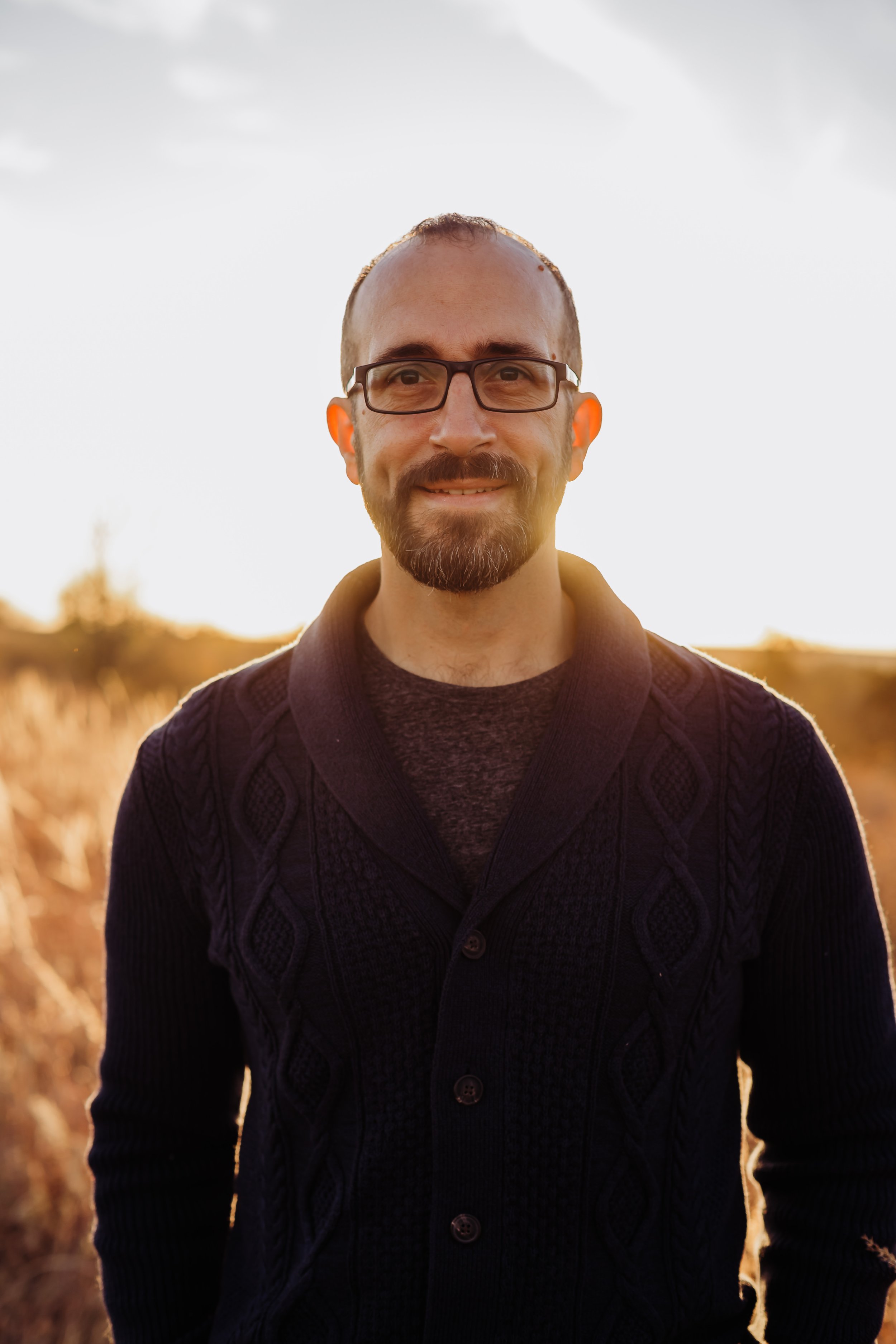
Brian McCornack
Kansas State University
Brian McCornack is a professor and department head of entomology at Kansas State University and a co-director of engagement of the Institute for Digital Agriculture and Advanced Analytics (ID3A). His research and extension programs focus on insect sampling methodologies, ecosystem services, and integrated pest management strategies, with emphasis on plant-insect interactions, natural enemies, and invasive species. He integrates remote sensing technologies and uncrewed aircraft systems to improve pest monitoring and management using computer vision and machine learning. He holds degrees from Luther College, Michigan State University, and the University of Minnesota.

Susan Metzger
Kansas State University
Susan Metzger serves as Director of Strategic Interdisciplinary Program Development at Kansas State University, where she works with university leadership on institutional strategy, policy, and interdisciplinary initiatives. She also directs the Kansas Water Institute and the Institute for Digital Agriculture and Advanced Analytics (co-Director, Engagement). Prior to joining K-State, she served as Deputy Secretary of the Kansas Department of Agriculture and held multiple leadership roles with the Kansas Water Office. Dr. Metzger holds degrees from the University of Mary Washington, Old Dominion University, and K-State.
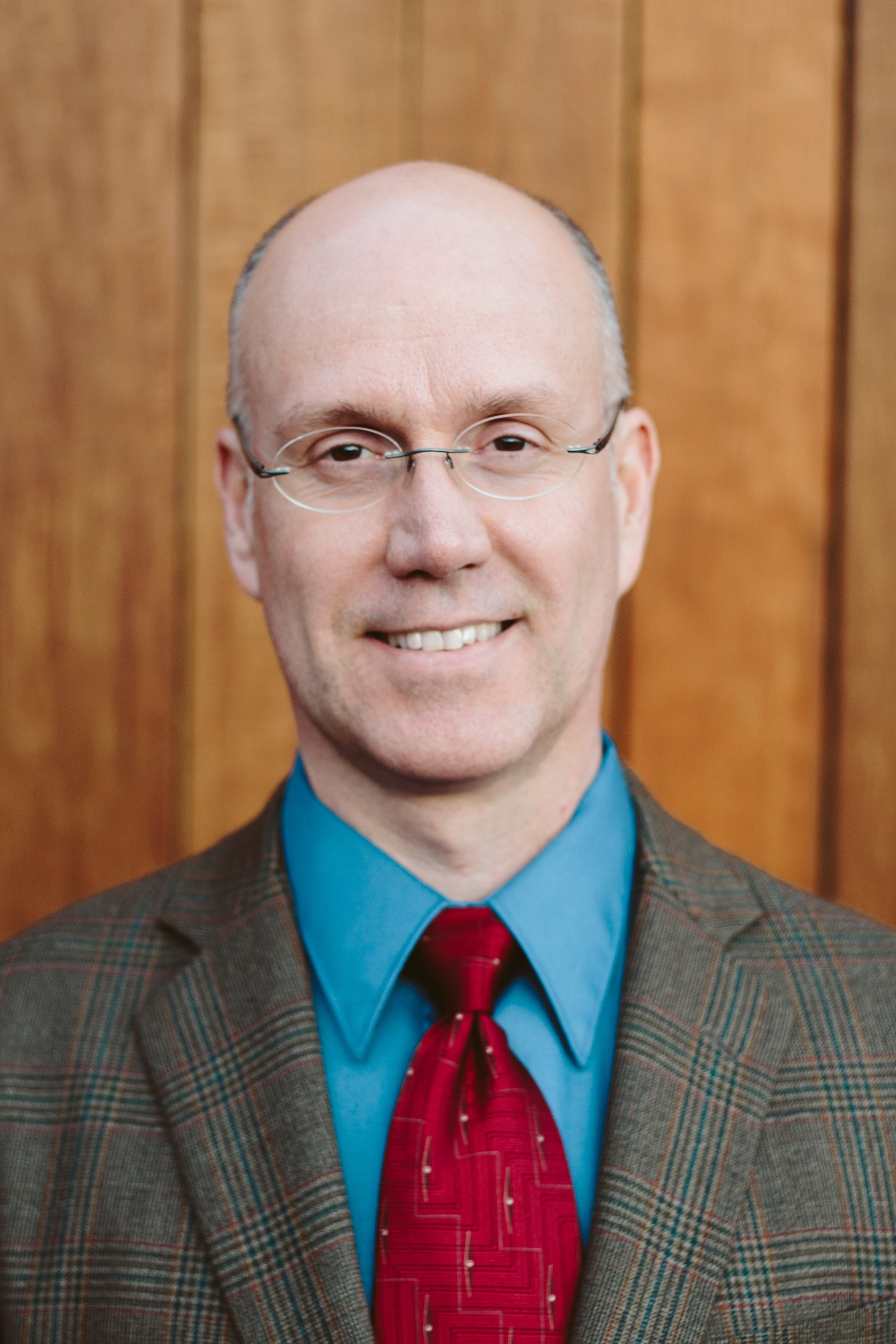
Stephen Ogle
Colorado State University
Stephen M. Ogle is a Senior Research Scientist and Professor at Colorado State University. He earned a B.S. in Biology at Emory University in 1992, and a M.S. and Ph.D. in Botany from the University of Wyoming in 1995 and 2000. Dr. Ogle focuses on research and application of models to simulate biogeochemical processes in plant and soil systems. For over 20 years, he served as lead compiler for the US national inventory of greenhouse gas emissions from agricultural lands, and conducts research collaboratively with economists and sociologists to better understand the drivers of land use and management decisions.
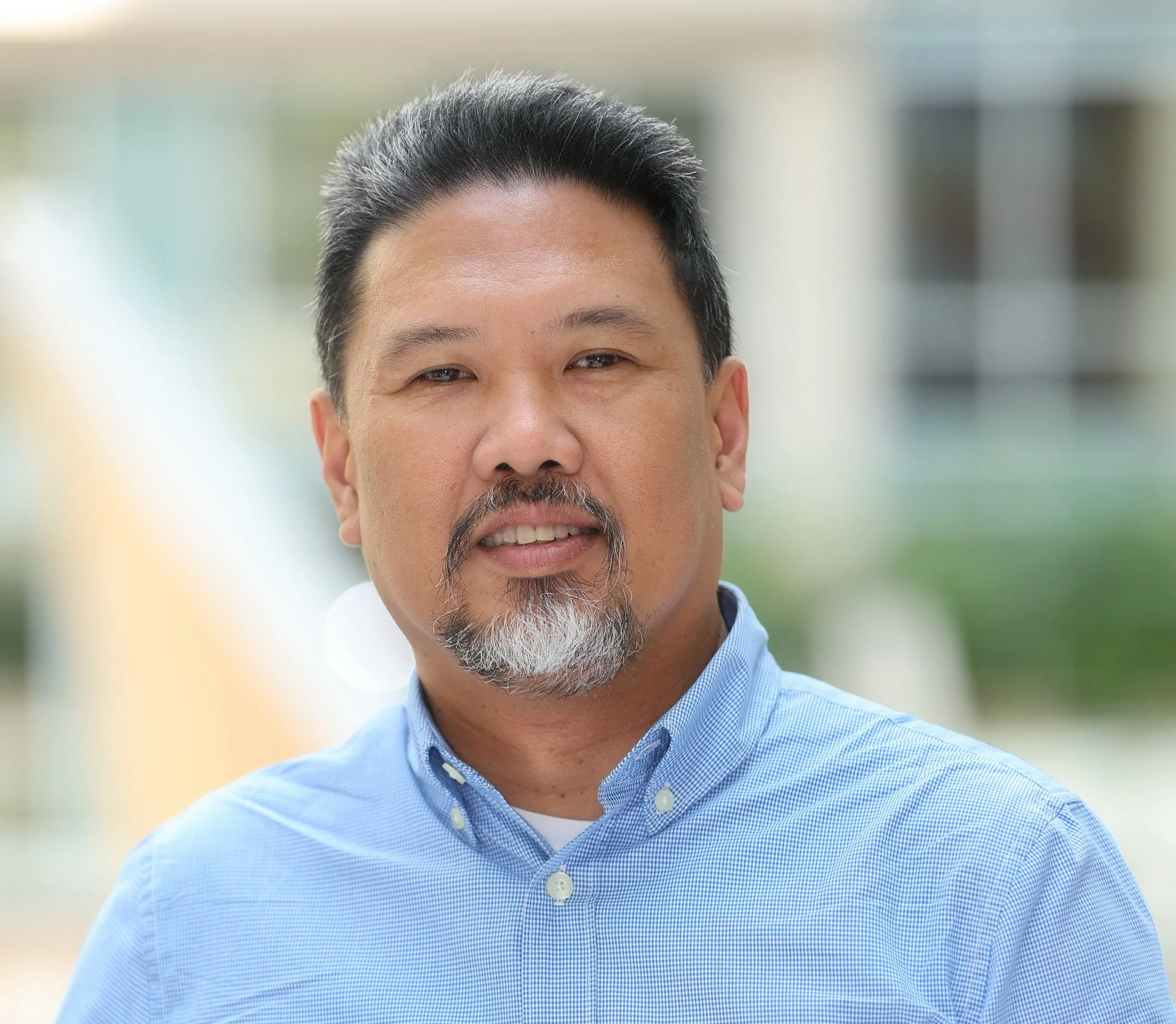
Roderick "Rod" M. Rejesus
North Carolina State University
Roderick "Rod" M. Rejesus is a Professor and Extension Specialist in the Department of Agricultural and Resource Economics at North Carolina State University. Dr. Rejesus has an active research program that focuses on applied production economics, with special emphasis on agricultural risk management and economic impacts of agricultural technologies.
Guanyuan Shuai
University of Maryland College Park
Guanyuan Shuai is a Postdoctoral Research Associate at the Department of Geographical Sciences at University of Maryland since September 2022. Guanyuan Shuai is working under the supervision of Dr. Alyssa Whitcraft and Dr. Ritvik Sahajpal, providing research support for NASA Harvest projects, particularly in support of the Harvest Sustainable and Regenerative Agriculture (SARA) Initiative.
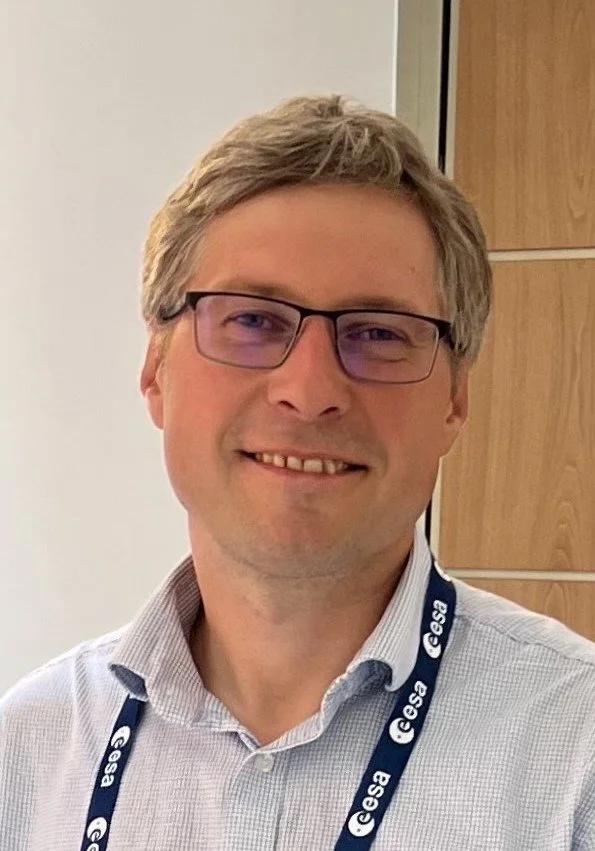
Sergii Skakun
University of Maryland
Sergii Skakun is an Associate Chair and Associate Professor with a joint appointment at the Department of Geographical Sciences and the College of Information (INFO), University of Maryland, College Park. Dr. Skakun has been a PI or Co-I in projects funded by NASA, NSF, Google, European Commission (EC), EC Joint Research Center (JRC), U.S. Civilian Research & Development Foundation (CRDF), etc. His current research focus is to advance methods, models, and emerging technologies in the area of data science for heterogeneous remote sensing data fusion, processing, and analysis, as well as their applications to Earth System Science and areas of societal benefit. Within the Committee on Earth Observation Satellites (CEOS), he is co-leading a Cloud Masking Inter-comparison Exercise (CMIX). He is currently an Associate Editor for the journal Remote Sensing of Environment.
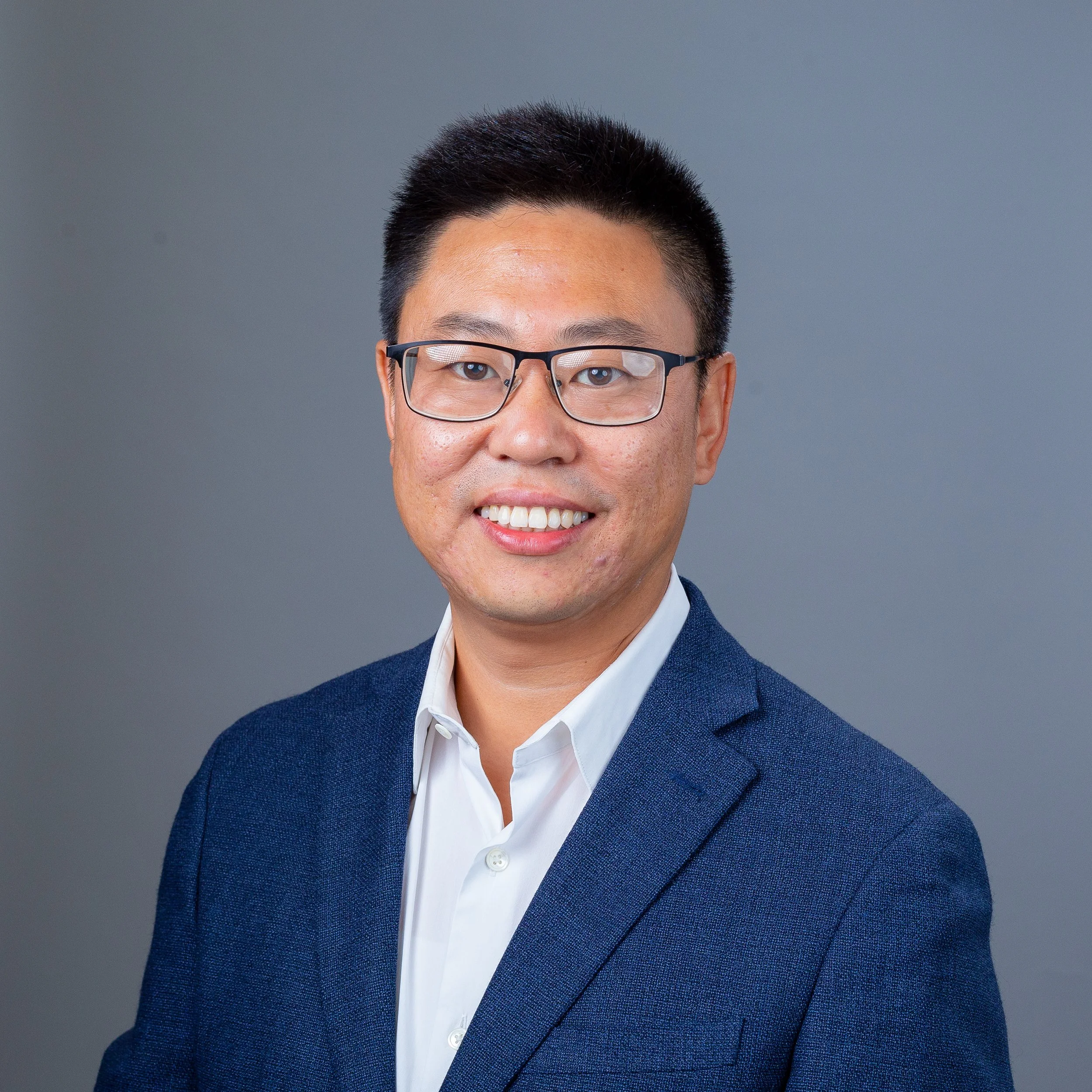
Xiao-Peng Song
University of Maryland
Xiao-Peng Song is an Associate Professor in the Department of Geographical Sciences. His research combines satellite observations, machine learning/AI, spatial analysis, and interdisciplinary approaches to examine human-induced land system changes. His work has broad implications for issues such as food and energy security, and climate change. He was recognized by Clarivate as a Highly Cited Researcher in Cross-Field.
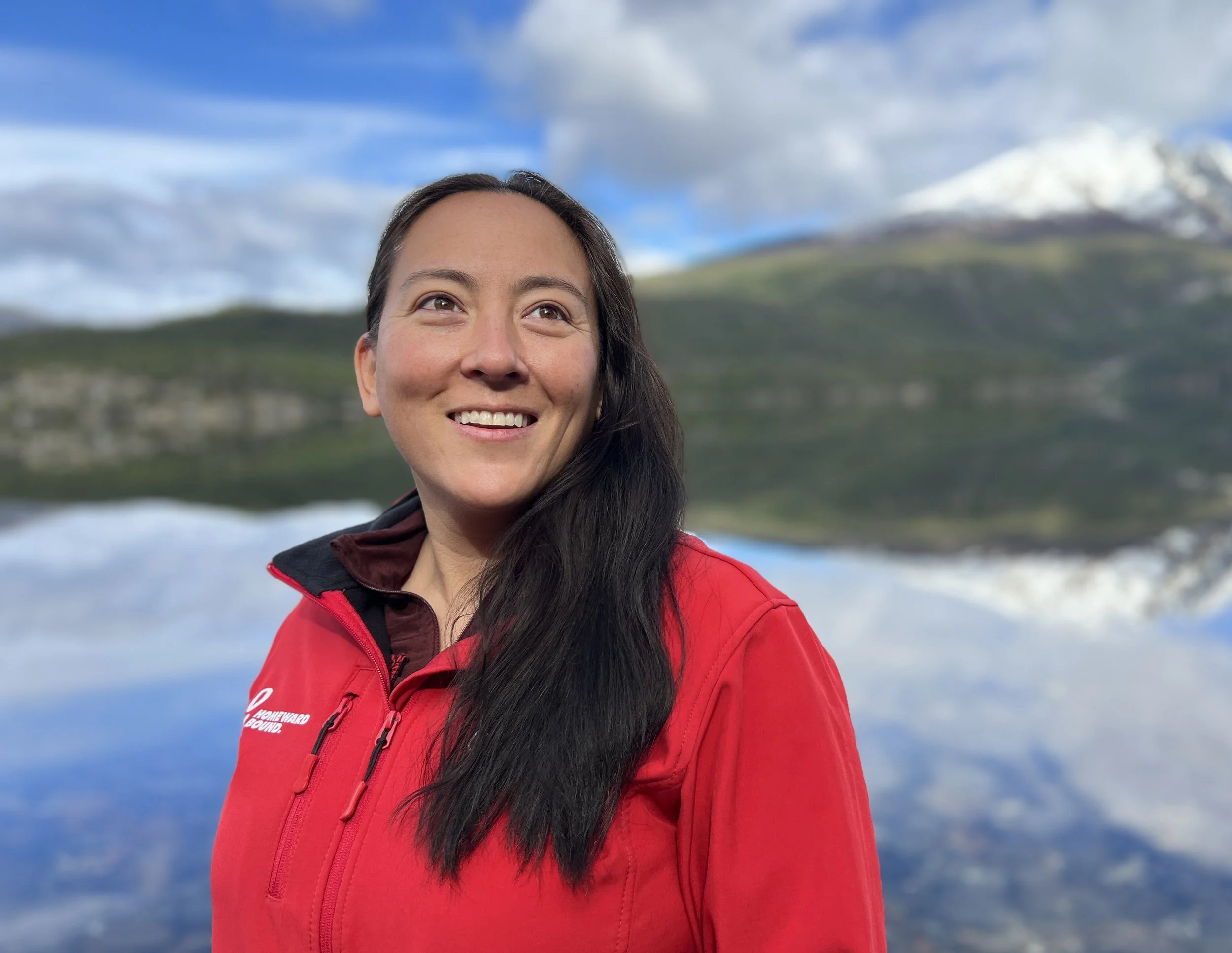
Alison Thieme
University of Maryland
Alison Thieme holds a Ph.D. from the University of Maryland, College Park in Geographical Sciences. She served in the U.S. Peace Corps in Madagascar, working to increase access to improved varieties of fruit trees, increase crop yields, and mitigate wildfires. Dr. Thieme is currently a Assistant Research Professor at the University of Maryland and uses satellite data to inform adaptive management of sustainable agriculture practices.
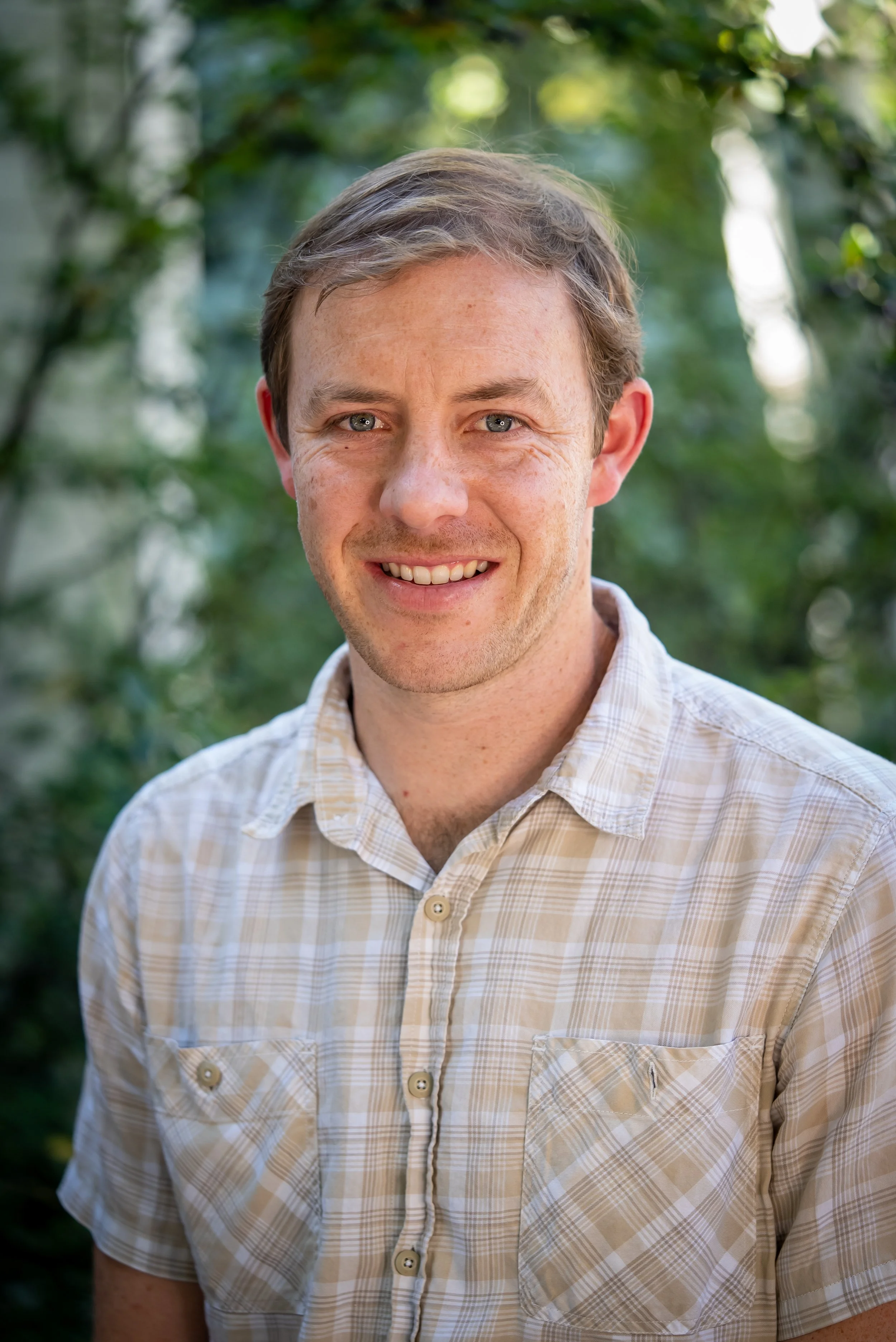
Tony Vorster
Colorado State University
Tony is a Research Scientist at Colorado State University where he co-directs the Western Ranch Management and Ecosystem Stewardship program. He works with ranchers and other rangeland managers to inform the development of remote sensing products that can inform decision making, monitor rangelands, and integrate with other advanced technologies (e.g., virtual fencing).
Lin Yan
Michigan State University
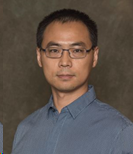
Lin Yan is an Associate Professor at the Center for Global Change and Earth Observations (CGCEO) at Michigan State University. He received his Ph.D. in Surveying and Geodetic Science Engineering from The Ohio State University. His research focuses on geometric and radiometric harmonization of multi-scale, multi-modal remote sensing data, crop field boundary delineation, and remote sensing and land cover land use change of agriculture and aquaculture systems.

Dr. Yun Yang
Cornell University
Dr. Yun Yang is an assistant professor in the Soil and Crop Sciences Section at Cornell University. She has worked at USDA Agricultural Research Service and the University of Maryland as a research scientist and at Mississippi State University as an assistant professor. Her research interests focus on studying the energy and water fluxes between land surfaces and atmosphere and the applications in various ecosystems, using remote sensing, modeling, and cloud computing as the major approaches. She serves on Landsat science team, OpenET science team and NASA ECOSTRESS science team. She is also a member of NASA ACRES consortium. She serves as an associate editor for Earth System Science Data and the Journal of American Water Resources Association.
NASA Acres FIAT
Jocelyn Anderson
GSA Farms
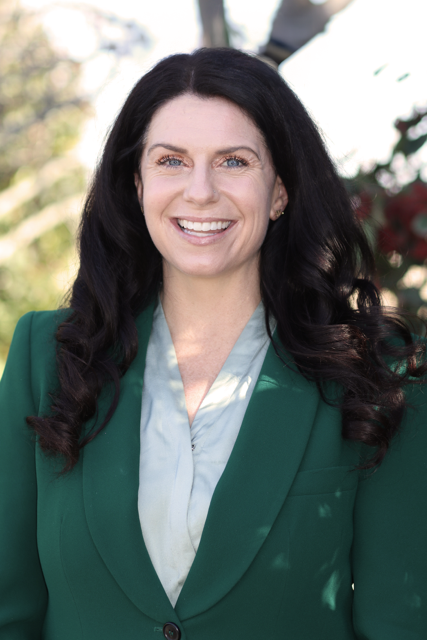
Jocelyn Anderson is a fourth-generation almond and walnut farmer. She works alongside her father managing her family farm and operates a walnut huller during harvest. Jocelyn has been very involved in Farm Bureau, statewide and nationally with American Farm Bureau. She currently serves as President of Glenn County Farm Bureau and is a Board Member of California Resource Conservation District. She also participates on the California Walnuts Sustainability Committee and is a Farmer Envoy for Solutions from the Land, which focuses on bringing farmers to international discussions on sustainability, water and climate smart agriculture.

Brad Doyle
FIAT
I am a soybean, rice, and wheat farmer from Northeast Arkansas. We also have a family seed business and ag research/plant breeding program. We implement many conservation practices on our farm including tailwater recovery reservoir systems and cover crops. I am the past President of the American Soybean Association and continue to serve on the board. I am also active with Arkansas Farm Bureau, Arkansas Ag Council, USA Rice, Solutions from the Land, and the Arkansas Soybean Association. Arkansas State University B.S. in Ag Business '95, M.S.A. in Agronomy '01.
Ray Flickner
Kansas State University
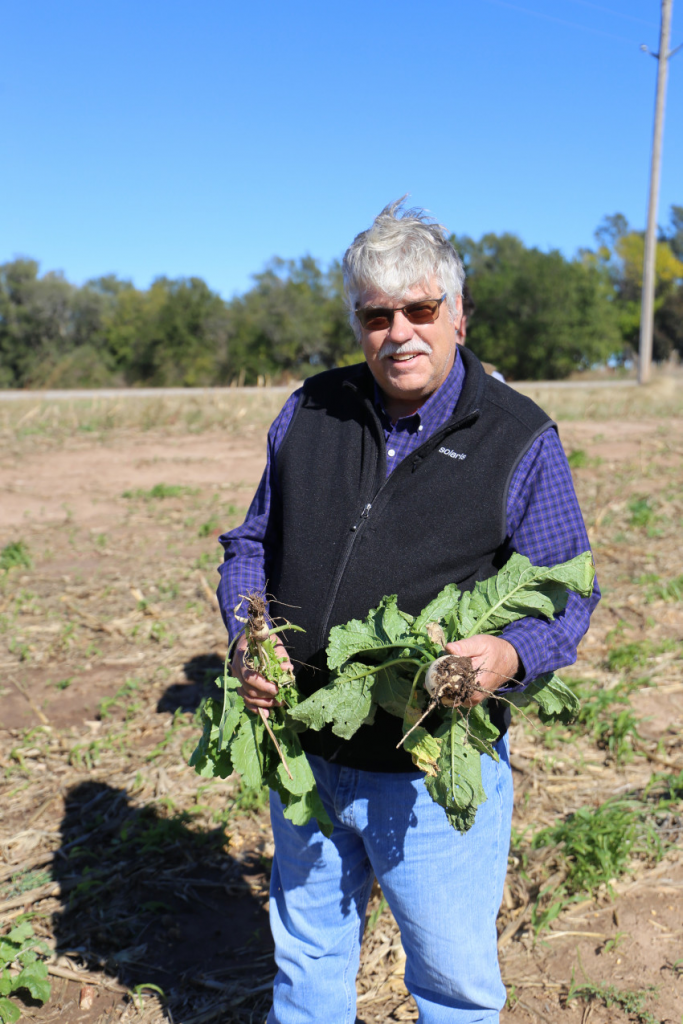
Ray Flickner is a 5th-generation Kansas farmer. His diverse career includes teaching and working in agricultural finance; today, Ray focuses on sustainable farming practices. He owns and operates the Flickner Innovation Farm, which partners with university researchers and industry leaders to test conservation methods. Ray was a member of the Kansas Water Authority, and he served on the Groundwater Management District (GMD2) board of directors. Currently, he is a member of the Little Ark Watershed Restoration and Protection Strategies stakeholder leadership team. Ray has received numerous awards for conservation, including the Kansas Natural Resources Award and the Leopold Conservation Award.

Mark Isbell
Isbell Farms
Mark Isbell is a fourth-generation farmer and partner at Isbell Farms and Generation Farms. Mark serves on the board of Ag Heritage Farm Credit Services, previously served on the board of Field to Market, and chairs the USA Rice Sustainability Committee. Isbell Farms produces rice on 3500 acres and implements regenerative strategies to reduce water use, mitigate methane emissions, and promote biodiversity. Active in climate policy, Mark has testified before both the House and Senate Ag Committees on issues impacting agriculture and sustainability. Additionally, he is a co-founder of Arva Intelligence, a company using AI to unleash regenerative opportunities in agriculture. Mark lives in Arkansas with his wife and two children.
Lance Lillibridge
FIAT
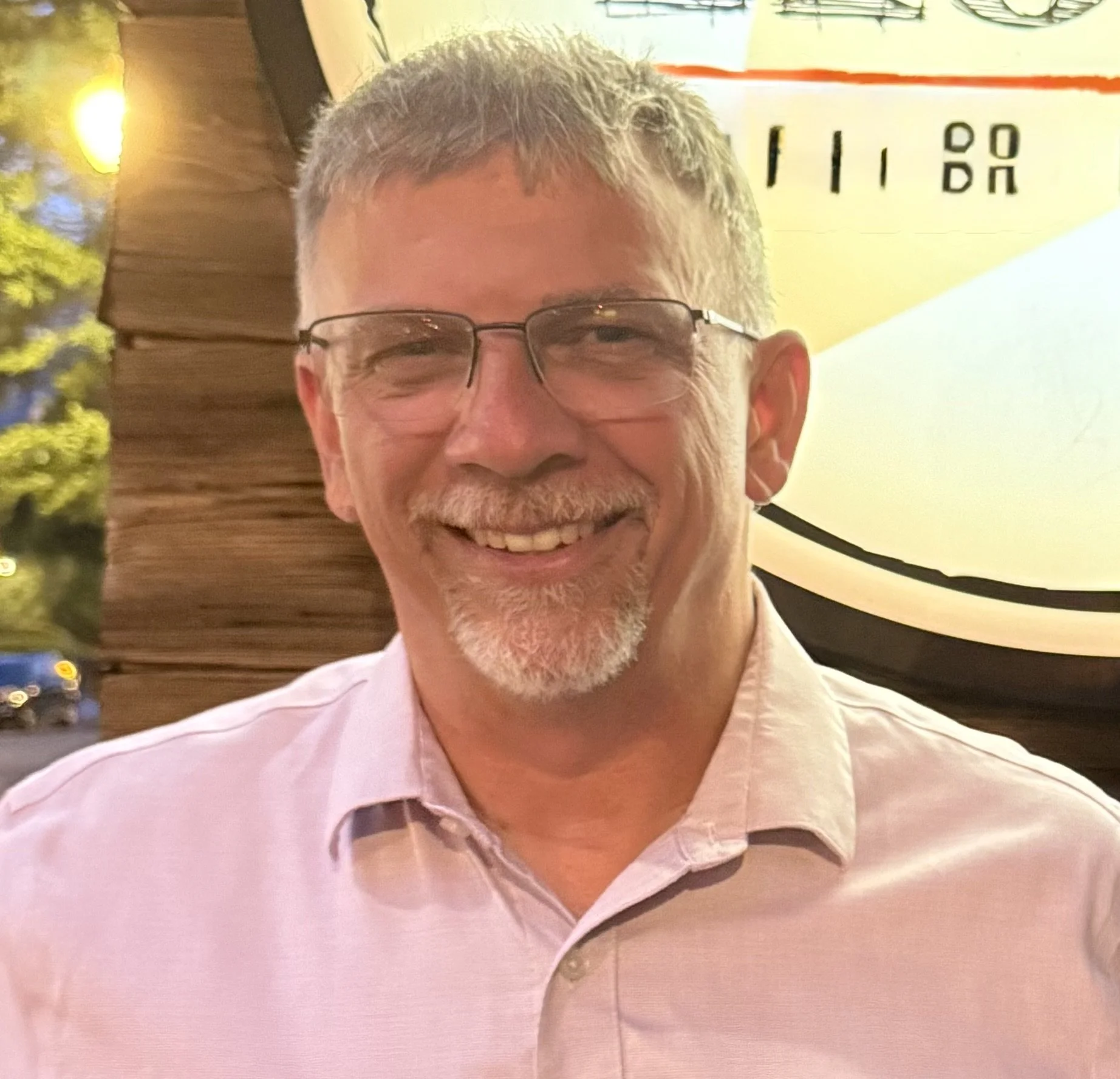
I am a Benton County Iowa Corn and Red Angus Cattle farmer. I am the past President of Iowa Corn Growers Association. I'm involved in several research projects which include, corn traits, ethanol liquid fuel projects, and Avail which is a project with Iowa Corn and NASA.
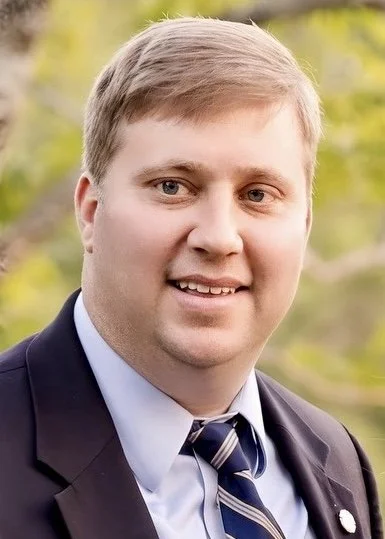
Rich Lindsey
Coosa River Land Co.
Rich was born and raised in the cotton business in Cherokee County, Alabama. He developed a strong and sincere passion for cotton farming and ginning at a very young age. Rich is the manager of Cherokee Gin & Cotton Company, a state-of-the-art cotton ginning and marketing facility serving cotton growers in Northeast Alabama, Northwest Georgia, and South-Central Tennessee and the largest producing gin in the state of Alabama. He, along with his Dad and another partner, operate Coosa River Land Co., a 4000-acre row-crop operation where cotton is the primary commodity. Rich is very active in his community where he has served as the Chief at McCord's Crossroads Volunteer Fire Department for the last 15 years. Rich has been happily married to his wife, Cassandra, since 2008. They have three children, Savannah Kate; Richard "RJ" Joe, III, and Eleanora Kate.

Dr. Kent Martin
Northwestern Oklahoma State University
Dr. Kent Martin is the owner of Martin Agronomic and Environmental Consulting, LLC and MAE Access, specialized agronomic consulting companies located in Oklahoma. Kent also owns and operates a multi-generational farm and ranch in Oklahoma. He started his professional career by obtaining a BS and MS degree in Plant and Soil Science with an emphasis in Soil Nutrient Management at Oklahoma State University. During that time, he managed the Oklahoma State University Soil Fertility Research Analytical Laboratory. He went on to Kansas State University to receive a PhD in Agronomy specializing in Soil Nutrient Management. During his PhD, he managed the Kansas State University Soil Testing Laboratory. He went on to work as a professor of Crops and Soils in extension and research directing his program to relate to farmer challenges in Western Kansas. In 2011, he transitioned back to his family farm in Oklahoma and started his consulting companies. Dr. Martin currently works as a professor of Agronomy at Northwestern Oklahoma State University while continuing consulting and operating his family farm.

Roric Paulman
Paulman Farms
3rd generation owner operator of Paulman Farms.
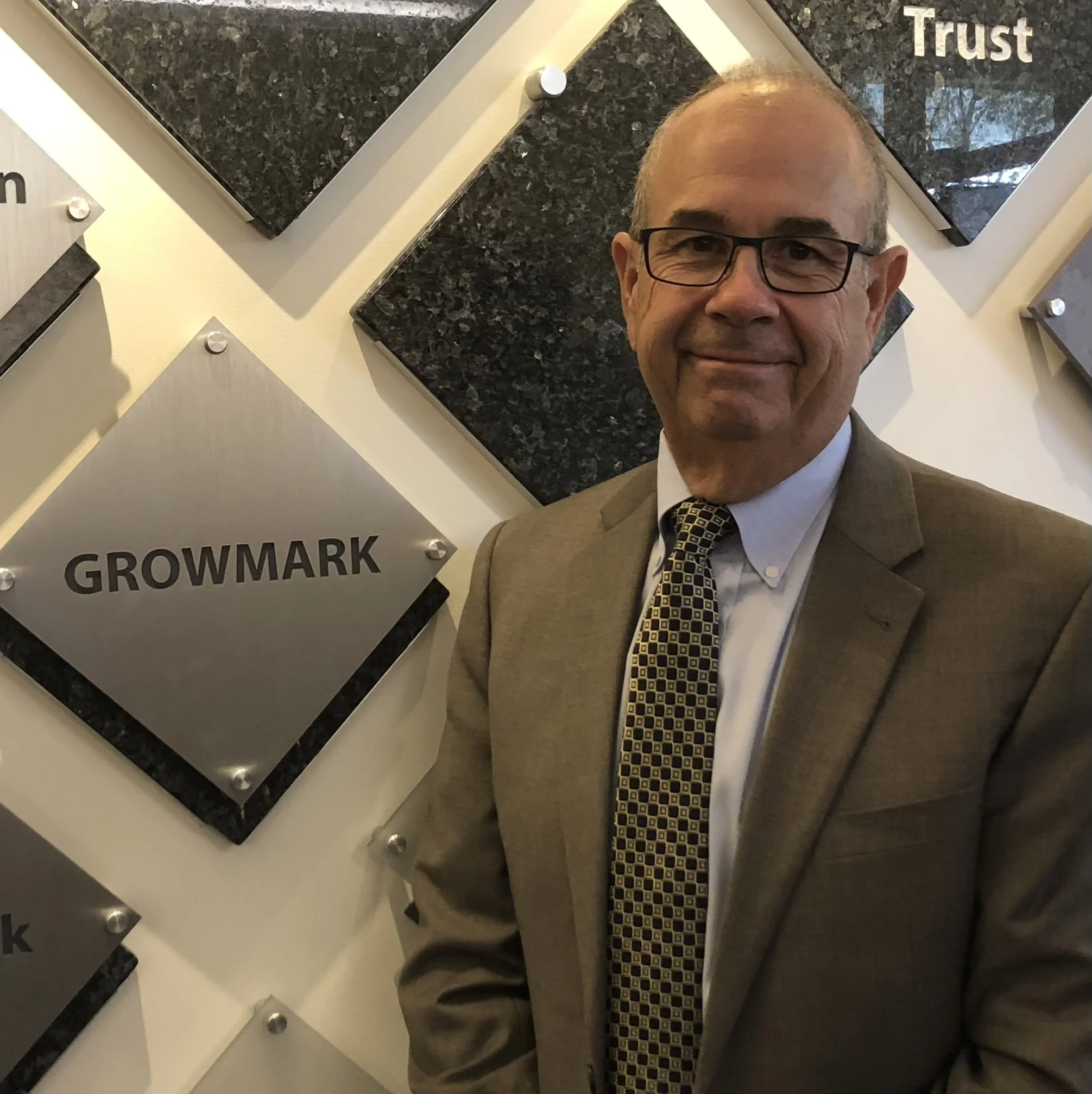
John Reifsteck
Farmer
Farmer from Champaign Illinois. Long time sponsor and participate of a NOAA research site dedicated to exploring the relationship between farming practices and the atmosphere.

Dwane Roth
FIAT
Dwane Roth is a former fourth-generation western Kansas farmer who recently completed the transition of his family's farming operation to the fifth generation. Through his consulting company, Front Porch Farms LLC, he works with producers, universities, conservation organizations, industry partners, and government agencies on initiatives in water conservation, agricultural innovation, and rural resilience. His work is dedicated to helping ensure a sustainable future for agriculture, rural communities, and the nation's food system.

Tillery Timmons-Sims
Sandhills Area Research Association
Tillery Timmons-Sims is a seventh-generation Texan, advocate for agriculture, and Director of Operations for the Sandhills Area Research Association. Raised on her family's farm, she farmed alongside her husband before transitioning into natural resource and land management work. She combines firsthand agricultural experience with conservation outreach and stakeholder engagement to connect farmers, ranchers, researchers, and policymakers around practical solutions for water, soil, and rural community stewardship. Tillery also hosts Conservation Stories, a podcast highlighting innovative people and projects shaping the future of working lands on the dry side of Texas.
Attendees
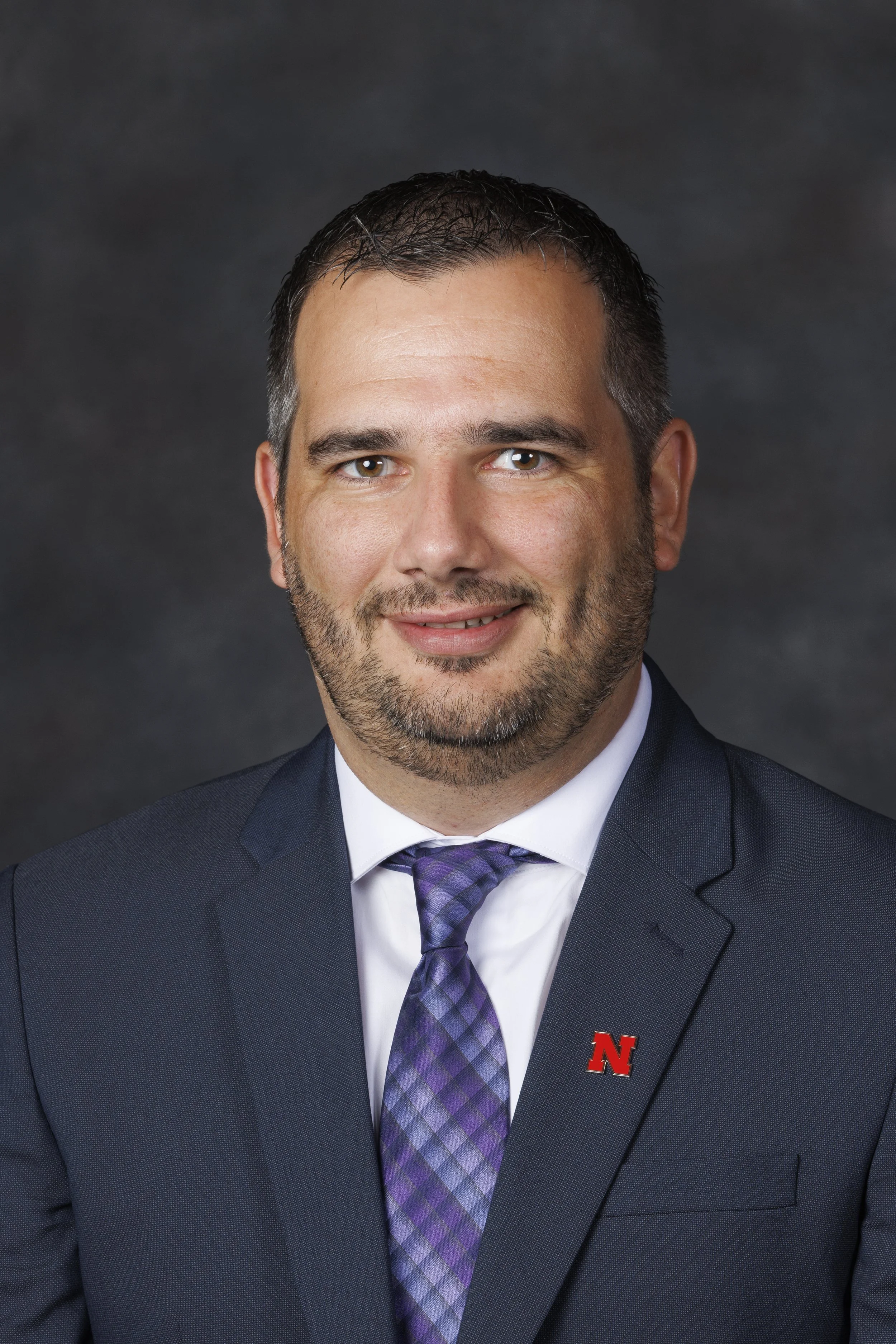
Dr. Guillermo Balboa
University of Nebraska
Dr. Guillermo Balboa is an Assistant Professor in Nutrient Management and Digital Agriculture at the University of Nebraska–Lincoln. His research focuses on integrating remote sensing, crop models, IoT technologies, and data analytics to improve nutrient and water use efficiency, profitability, and sustainability in agricultural systems. Passionate about advancing data-driven farming, Dr. Balboa combines field experimentation, agronomic principles, and digital agriculture tools to develop innovative solutions in collaboration with growers, industry partners, and multidisciplinary research teams.

Hunter Blevins
Arizona State University
Hunter Blevins is a Data Science Specialist at Arizona State University specializing in satellite image interpretation and data annotation, supporting agricultural remote sensing research by developing high-quality datasets and contributing to Earth observation workflows. He is interested in applying geospatial data science to improve agricultural monitoring and increase the accessibility of scientific data products for diverse audiences.

Doug Bolton
Indigo Ag
Doug leads a team of data scientists at Indigo Ag, tasked with mapping field boundaries and monitoring agricultural practices using remote sensing. He earned a masters in Remote Sensing from Boston University (2011) and a PhD in Forestry from the University of British Columbia (2016), where he used Landsat and LIDAR data to monitor forest recovery following fire across the Canadian boreal. Doug also worked as a post-doctoral researcher at Boston University, where he developed a continental phenology product using Landsat and Sentinel-2 data as part of NASA's Land-Cover and Land-Use Change (LCLUC) Program.
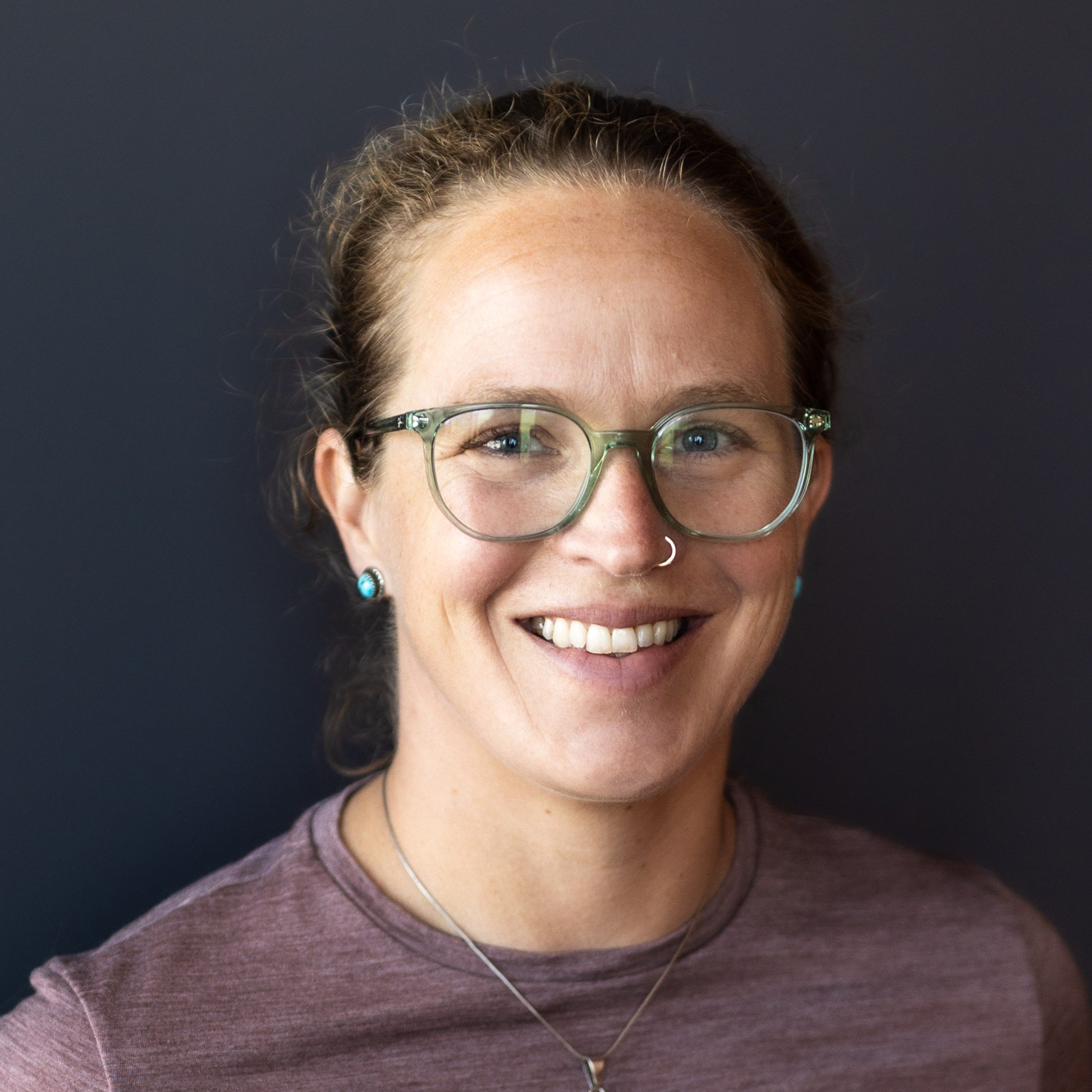
Dr. Maria Bowman
Spark Climate Solutions
Dr. Maria Bowman directs the Agricultural Nitrogen program at Spark Climate Solutions, where she works to transform nitrogen use into a more circular, targeted, and efficient system that cuts losses while supporting food security. Spark is a science-driven, philanthropically-funded non-profit that shortens the timeline for managing major climate risks that currently lack solutions. She previously served as an Economist at USDA's Economic Research Service, leading research on conservation practices with greenhouse gas impacts. Bowman holds a Ph.D. in Agricultural and Resource Economics from UC Berkeley.

Donnell Brown
President, National Grape Research Alliance
Donnell Brown left a career in high-tech corporate communications to enter the wine industry in 2009, as Executive Director of the Long Island Merlot Alliance and founding Event Director for the region's annual Harvest East End. Working in wine in New York and, beginning in 2016, California, she developed a deep understanding of regional differences in grape-growing and winemaking. In 2017, she was appointed President of the National Grape Research Alliance (NGRA), working to align the research needs of wine, table, juice and raisin grapes nationwide, and catalyze game-changing, "big tent" projects of highest industry priority. She works to amplify the grape and wine industry's science priorities via ongoing relationships and timely collaborations with relevant research funding agencies and academic institutions. She also is the voice behind the NGRA newsletter, a monthly research-focused email publication widely considered the best in the grape and wine industry.

Michael Cecil
University of Maryland
Michael Cecil is a NASA Harvest Postdoctoral Associate at the University of Maryland, specializing in using remote sensing for operational agricultural monitoring, with a PhD in Geography from Clark University. His current research focuses on remote sensing applications for index-based crop insurance, including questions of climate non-stationarity, basis risk, sampling design, and yield modeling for index insurance. He also studies remote sensing monitoring of conservation practices, like cover cropping and reduced tillage, and the use of new GeoAI methods including geospatial foundation models.
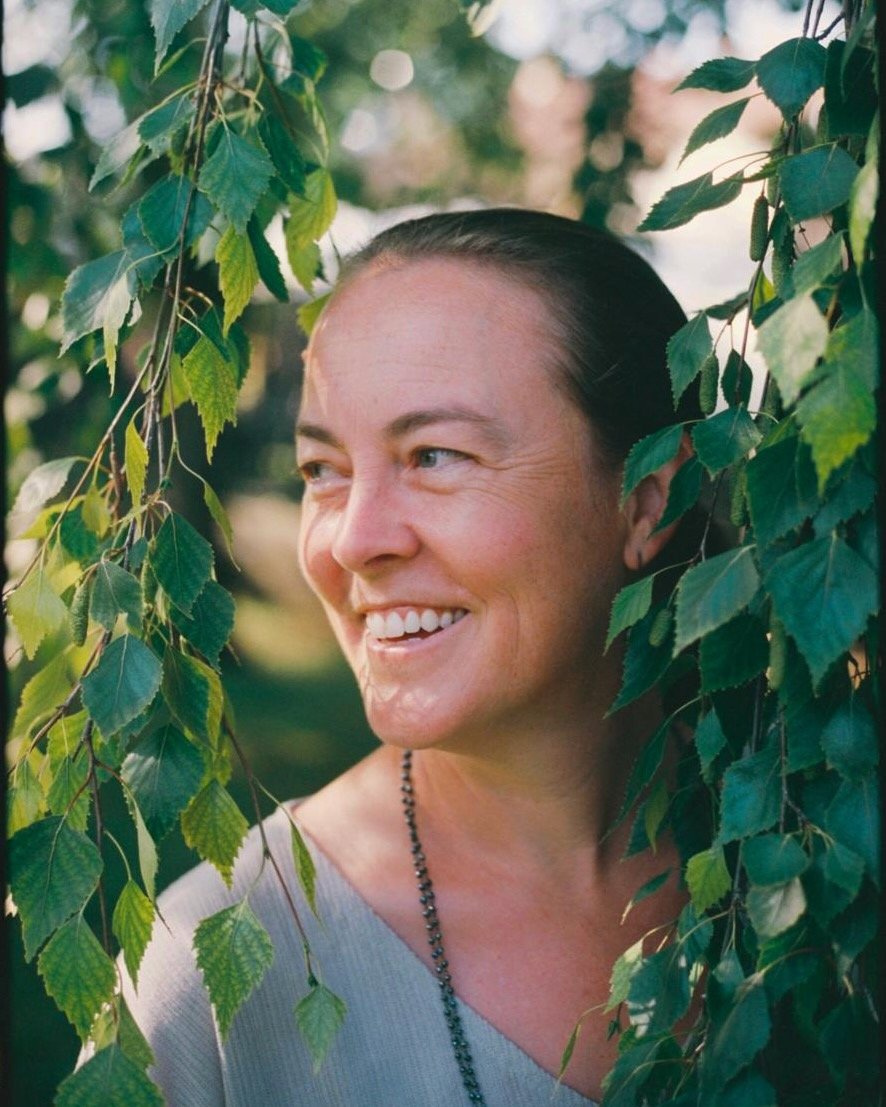
Dana Chadwick
NASA JPL
Dana is a landscape biogeochemist who uses VSWIR imaging spectroscopy for her research. She has experience developing terrestrial vegetation algorithms for a variety of ecosystem science and applications areas through the integration of fieldwork and airborne data, recently through co-leading the AVIRIS4Acres activity. She is also the Mission Applications Lead for the EMIT Instrument on the ISS and for the upcoming EAGLE-VSWIR Mission.
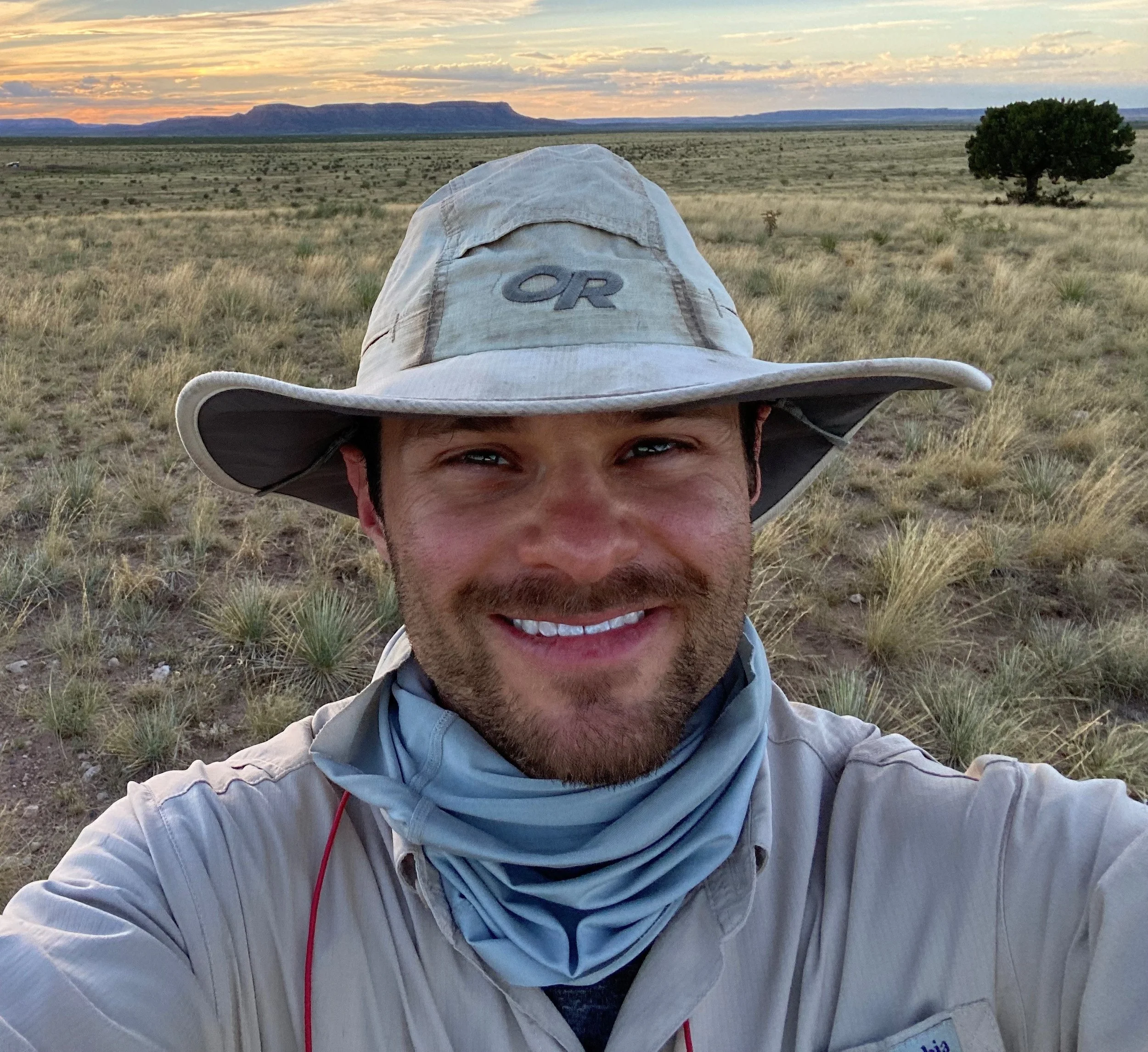
Daniel Cleveland
Colorado State University
Daniel contributed to the rangelands portion of the NASA Acres effort through his graduate research at Colorado State University. His research developed a new framework and methodology enabling ranchers to quantify the impacts their land management has on drought resilience, using only public datasets. Prior to graduate school, Daniel spent five years working in regenerative agriculture and international agriculture development in Sweden, the Philippines, India, and the United States, focusing on livestock management. In his first career, Daniel was as a lead mechanical systems design engineer for a large industry-leading technology company, where he earned a patent for his inventions.
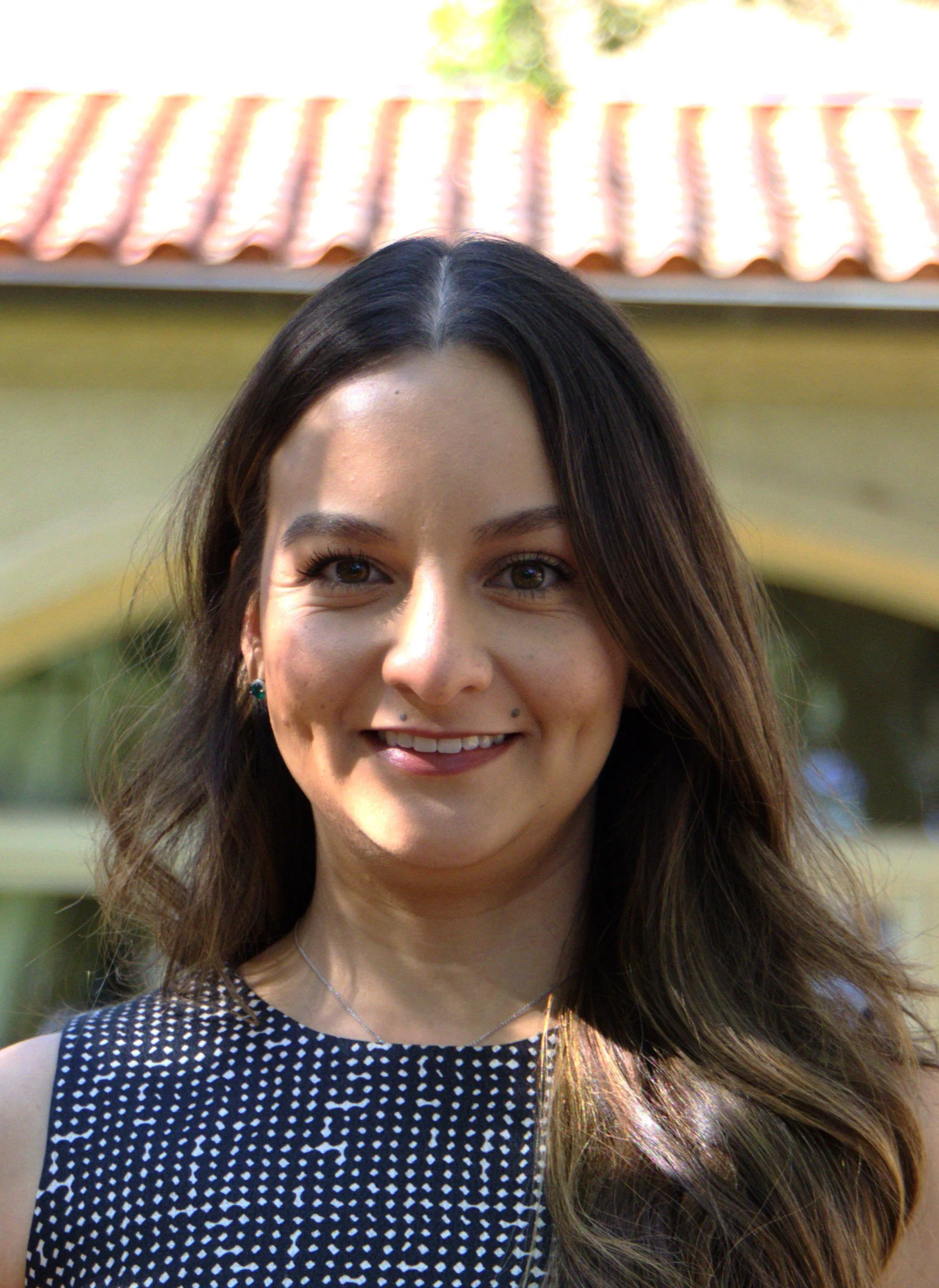
Alondra Cruz
National Sorghum Producers
Alondra Cruz is a Data and Market Development Specialist with National Sorghum Producers, where she works to advance forage sorghum systems for livestock production. She earned a Ph.D. in Plant and Soil Science from Texas Tech University, an M.S. in Sustainable Tropical Agriculture from Zamorano University, and a B.S. in Environmental Science from Florida International University. Her research has focused on developing sustainable forage-livestock systems that improve resilience and productivity in semi-arid regions facing limited nutrient and water resources.
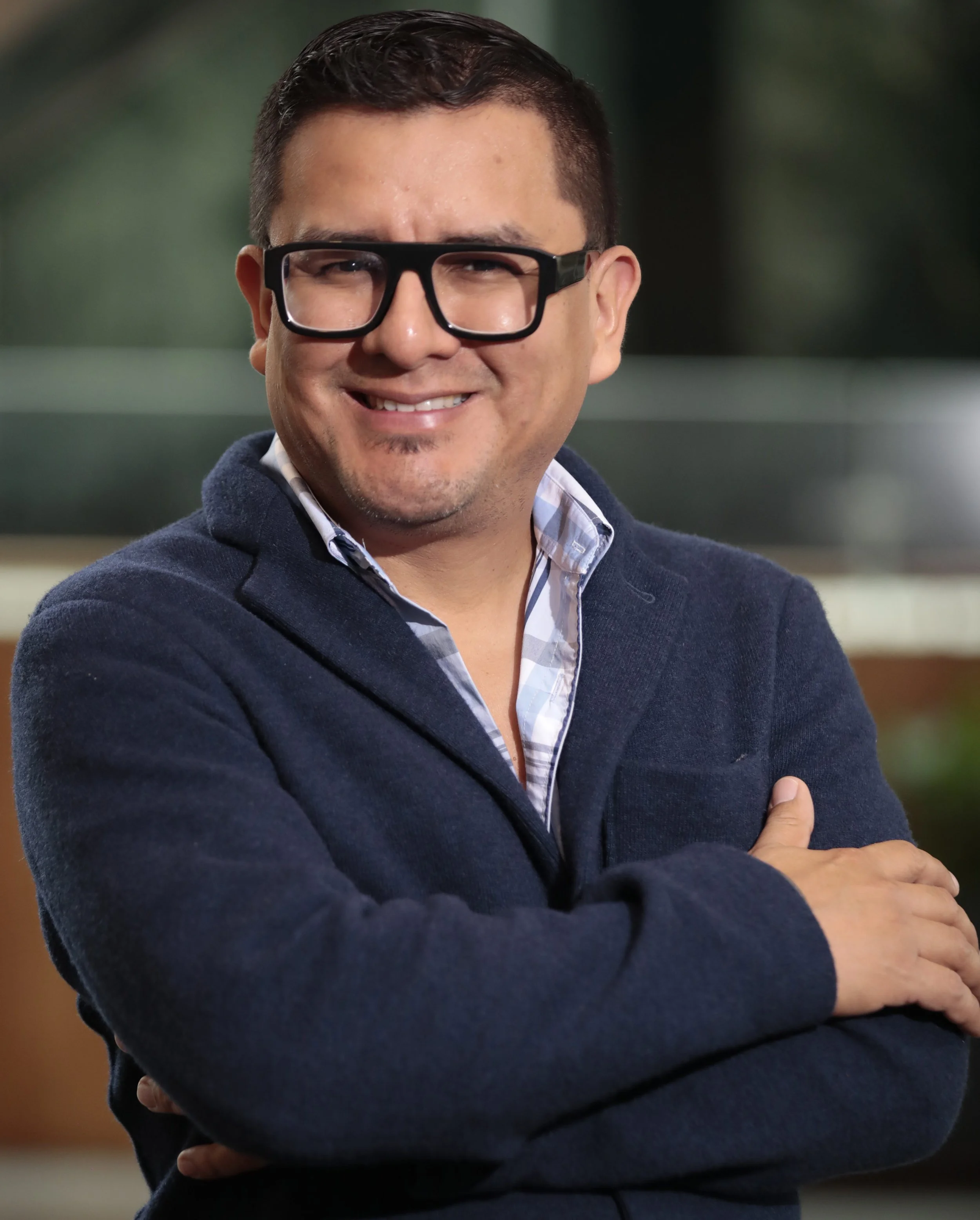
C. D. Cruz
Purdue University
Dr. Christian D. Cruz is an Associate Professor of Botany and Plant Pathology at Purdue University and an internationally recognized expert in plant disease epidemiology and crop biosecurity. His research integrates imaging, sensing technologies, and AI/machine learning to advance the detection, forecasting, and management of high-consequence diseases such as tar spot and wheat blast. He has authored more than 37 peer-reviewed publications and delivered over 80 invited talks worldwide. Dr. Cruz received the 2025 APS Excellence in International Service Award and was recently named a national finalist in a DoD DARPA Research Competition. (Headshot not yet submitted.)
Dr. Isabel Emanuel
John Deere
Dr. Emanuel is an agricultural scientist focused on sustainable crop feedstock production and the development of resilient agricultural and energy systems. As a Renewable Fuels Fellow at John Deere, she works to bridge the gaps between digital agriculture capabilities and practical implementation by leveraging precision agriculture, farm data products, and systems modeling to improve land-use efficiency. She holds a Ph.D. in Plant Pathology from The Ohio State University and is passionate about building interdisciplinary teams to address complex challenges through innovative biotechnology and whole systems modeling solutions. (Headshot not yet submitted.)
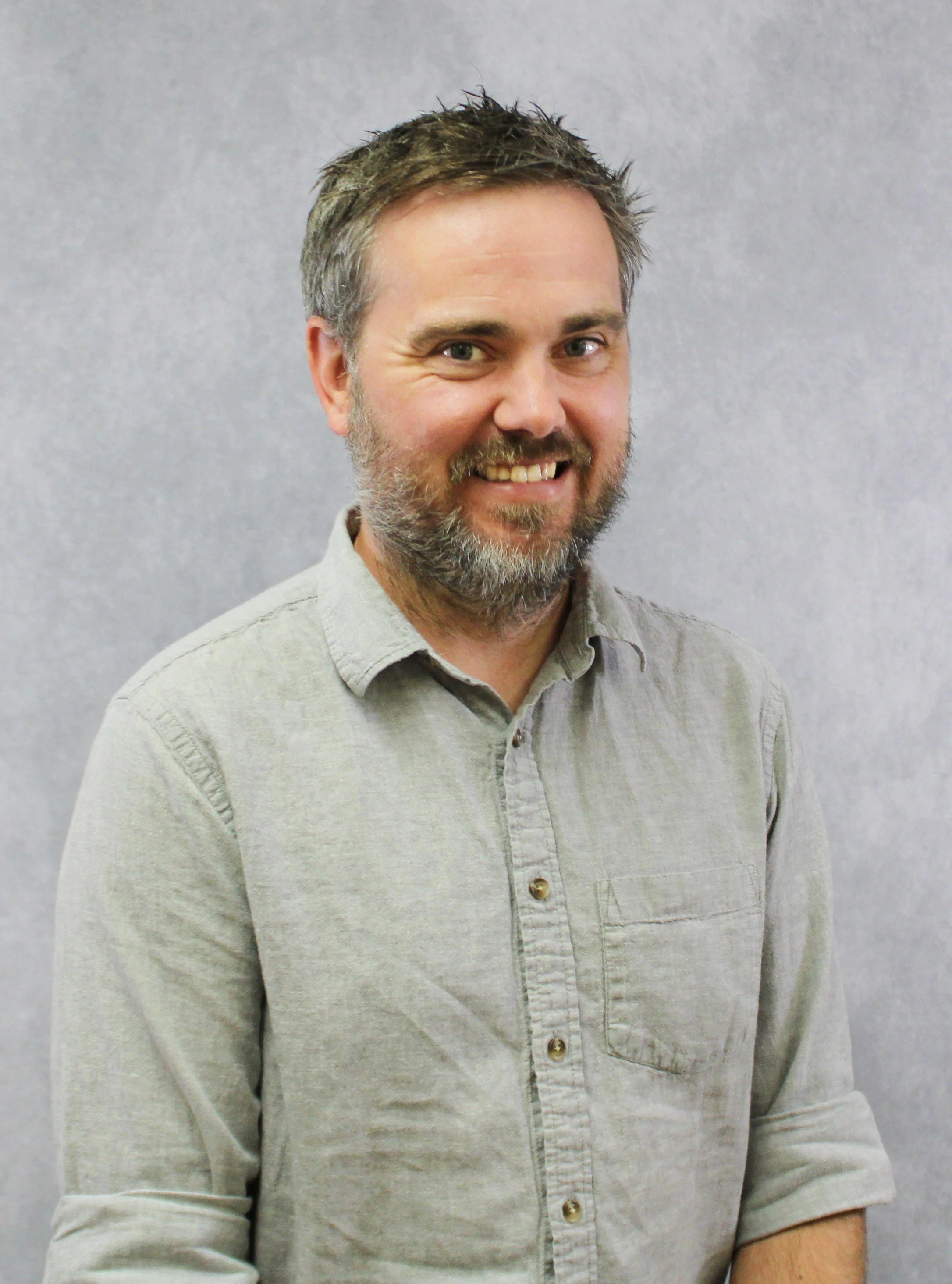
Chris Hain
NASA
Christopher is interested in thermal infrared remote sensing with applications in surface energy balance modeling, soil moisture retrieval, hydrologic data assimilation, and drought monitoring. He has played a significant role in the development of the Atmosphere Land Exchange Inverse (ALEXI) model in ongoing collaboration with scientists at the USDA-ARS Hydrology and Remote Sensing Lab; ALEXI is currently used to monitor continental evapotranspiration, soil moisture, and drought. Before joining NASA, he was an Assistant Research Scientist for the Earth System Science Interdisciplinary Center (ESSIC) at the University of Maryland, College Park. (Ph.D., Atmospheric Science; M.S., University of Alabama Huntsville; B.S., Meteorology, Millersville University).
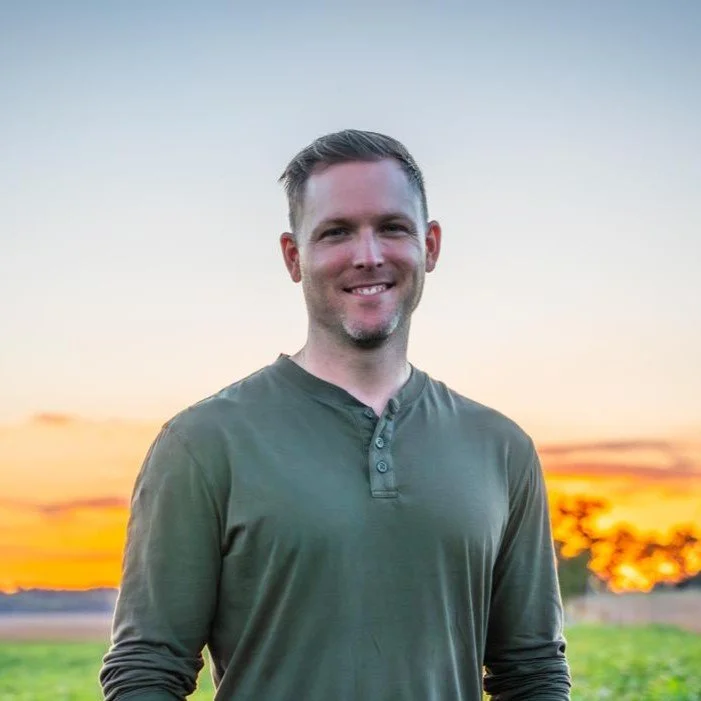
Dan Kelly
Numanac
Dan Kelly is the Co-Founder and COO of Numanac, an AI-powered agricultural intelligence platform focused on helping farmers, consultants, and land managers capture, organize, and act on operational knowledge. A former U.S. Marine Corps AH-1Z attack helicopter pilot, Dan brings over a decade of experience operating in data-rich, time-sensitive environments where situational awareness drives decision-making. At Numanac, he leads partnerships, product strategy, and field deployment efforts focused on transforming agricultural observations into actionable intelligence. His work increasingly centers on integrating human and machine data sources to improve agricultural decision support at scale.
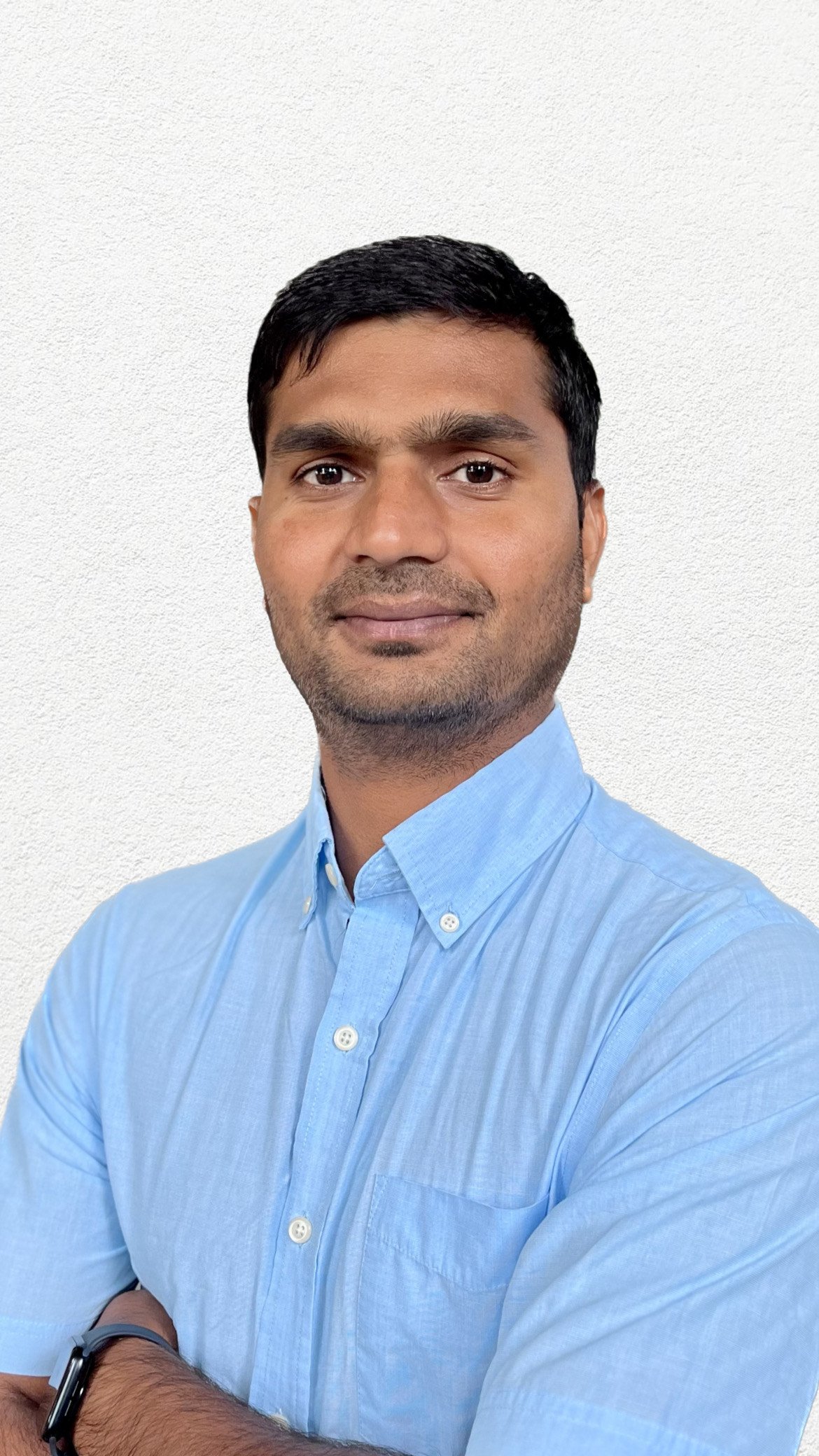
Dr. Hemendra Kumar
Digital and Precision Agriculture Lab, UMD, AGNR
Dr. Hemendra Kumar is a Precision Agriculture Specialist and Director of the Digital and Precision Agriculture Lab (D-PAL) at the University of Maryland, College Park. His research integrates artificial intelligence, machine learning, and remote sensing — leveraging satellite imagery, UAV-based multispectral sensing, and IoT sensor networks to drive applied, field-scale agricultural management. Central to his applied mission is climate- and water-smart irrigation. Dr. Kumar has pioneered machine learning frameworks that couple remote sensing outputs with soil physics and process-based hydrologic modeling to estimate crop water demand and optimize irrigation timing and rates during critical growth stages. Dr. Kumar uses aerial and geospatial intelligence into site-specific precision strategies for climate- and water-smart irrigation, crop health diagnostics, and variable-rate input management with the help of models, sensors, and data-driven methods.

Juan Landivar-Bowles
Texas A&M AgriLife Research
Juan Landivar-Bowles is Professor and Center Director at Texas A&M AgriLife Research in Corpus Christi, Texas. His research focuses on crop physiology, digital agriculture, unmanned aerial systems (UAS), artificial intelligence, and precision crop management. He leads multidisciplinary programs developing UAS-based high-throughput phenotyping, remote sensing platforms, and AI-driven tools for crop forecasting and in-season management of cotton and other crops. Dr. Landivar-Bowles has extensive international experience in agricultural technology transfer and has organized training workshops and scientific conferences across the United States, Latin America, Europe, Asia, and Australia. His work advances sustainable and data-driven agricultural production systems.
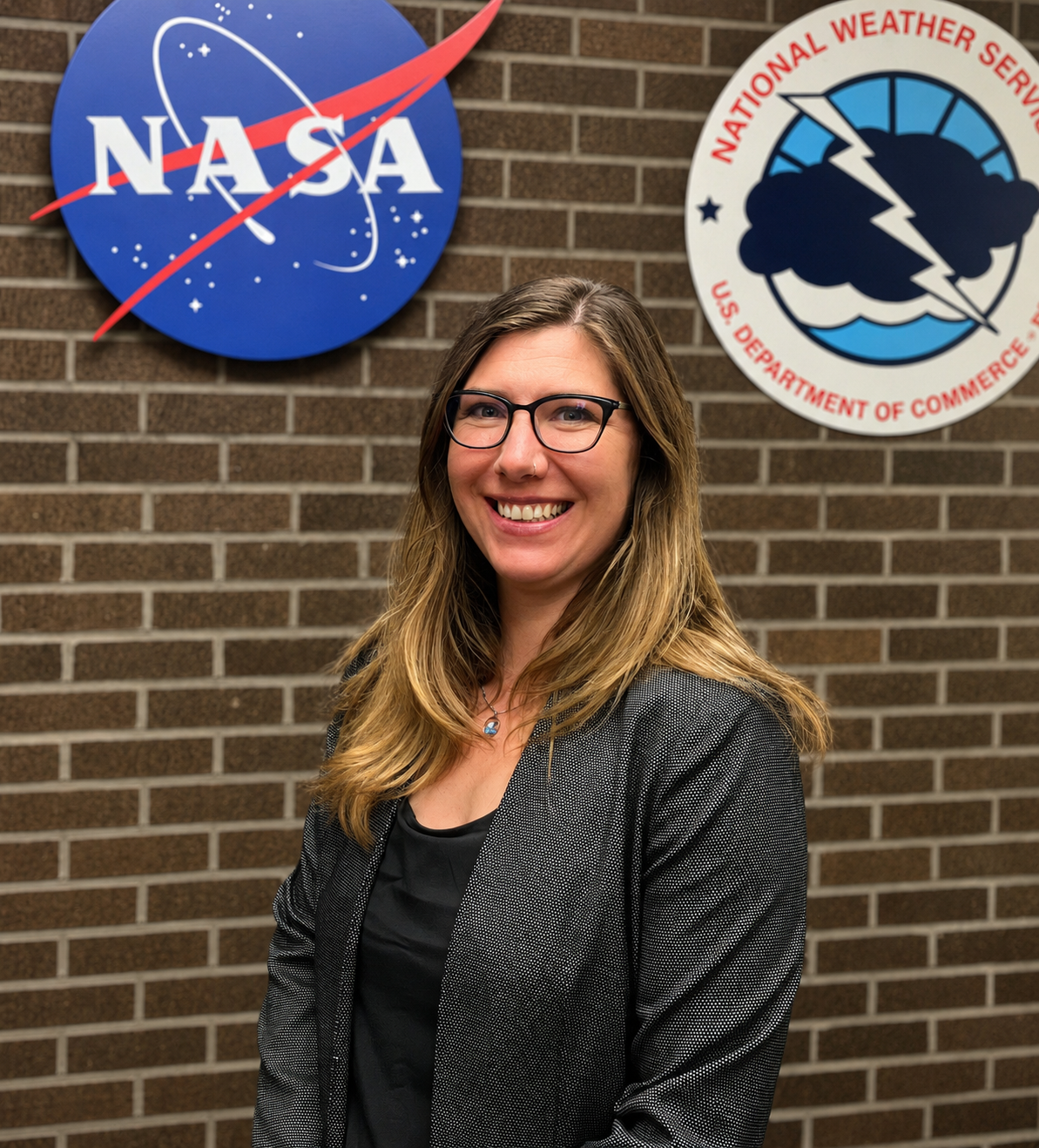
Kait Lemon
ARSET & EarthRISE Developers Academy
Kait Lemon is a natural resources professional, geospatial analyst, and seventh generation farmer, with more than a decade of experience spanning applied Earth science, ecology, agriculture, and conservation program management. She currently serves as the Agriculture Trainer for the NASA Applied Remote Sensing Training Program (ARSET) and as a Partnership Specialist with NASA EarthRISE Developers Academy. In this nexus workforce development position, she supports the development, and expansion of remote sensing applications and training for agricultural applications. Her work focuses on translating NASA Earth observations into actionable tools and decision-support resources for state and local partners across the United States.
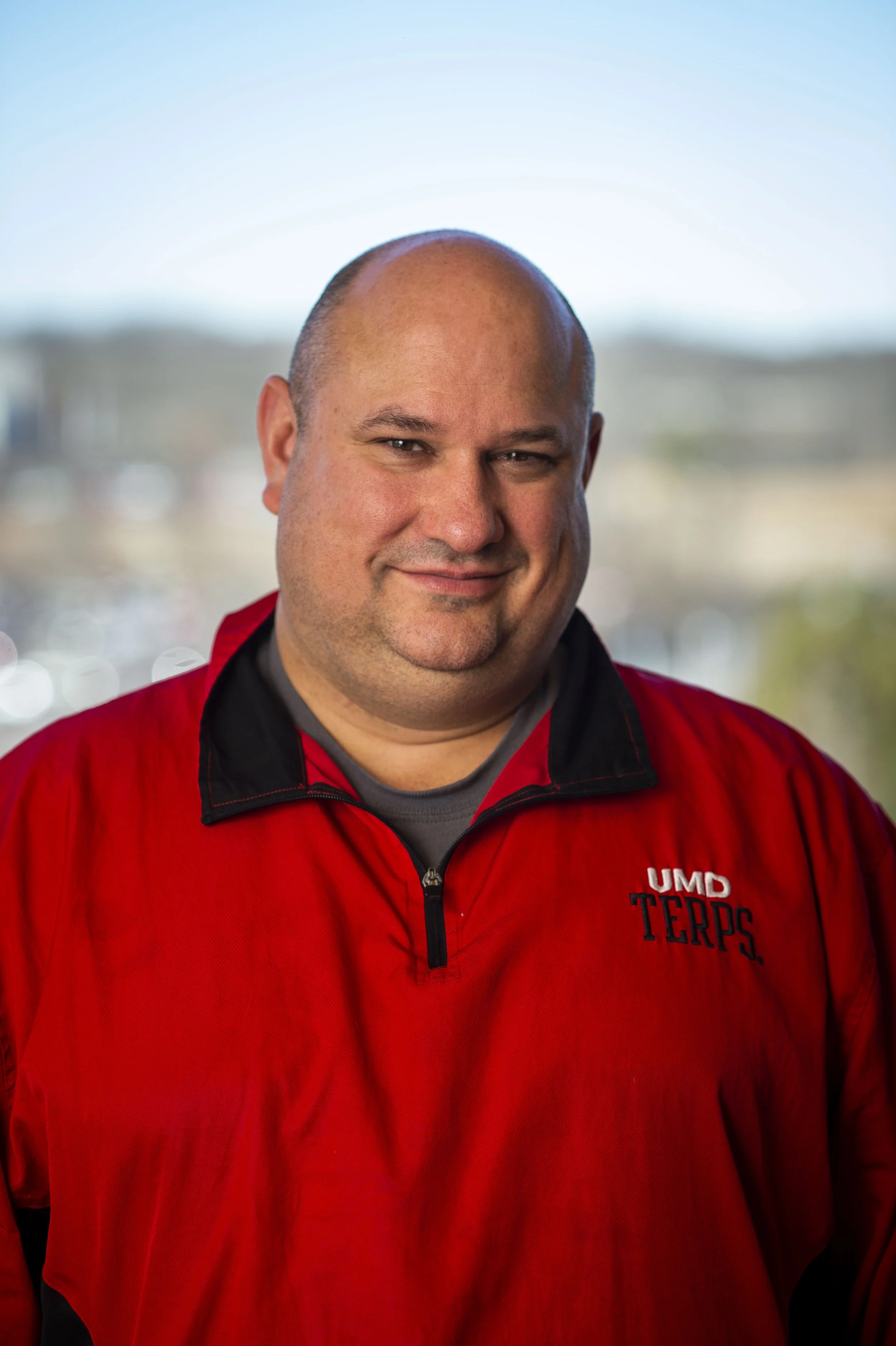
Michael Maddox
Climate Resilience Network
Work focuses on integrating observational, modeled and forecasted data to co-produce decision support tools for agriculture producers and advisors, emergency managers and local planning and zoning officials. Currently working on the Information Development System for the Dashboard for Agricultural Water Use and Nutrient Management (DAWN), is the Project Manager of the Maryland Hydronet and Outreach Coordinator for the Climate Resilience Network. Past work includes developing a storm-inundation algorithm for the Cyclone Global Navigation Satellite System (CYGNSS) program, contributions to the National Climate Assessment Land Data Assimilation System (NCA-LDAS), and the development of climate-risk tools for supply-chain networks.
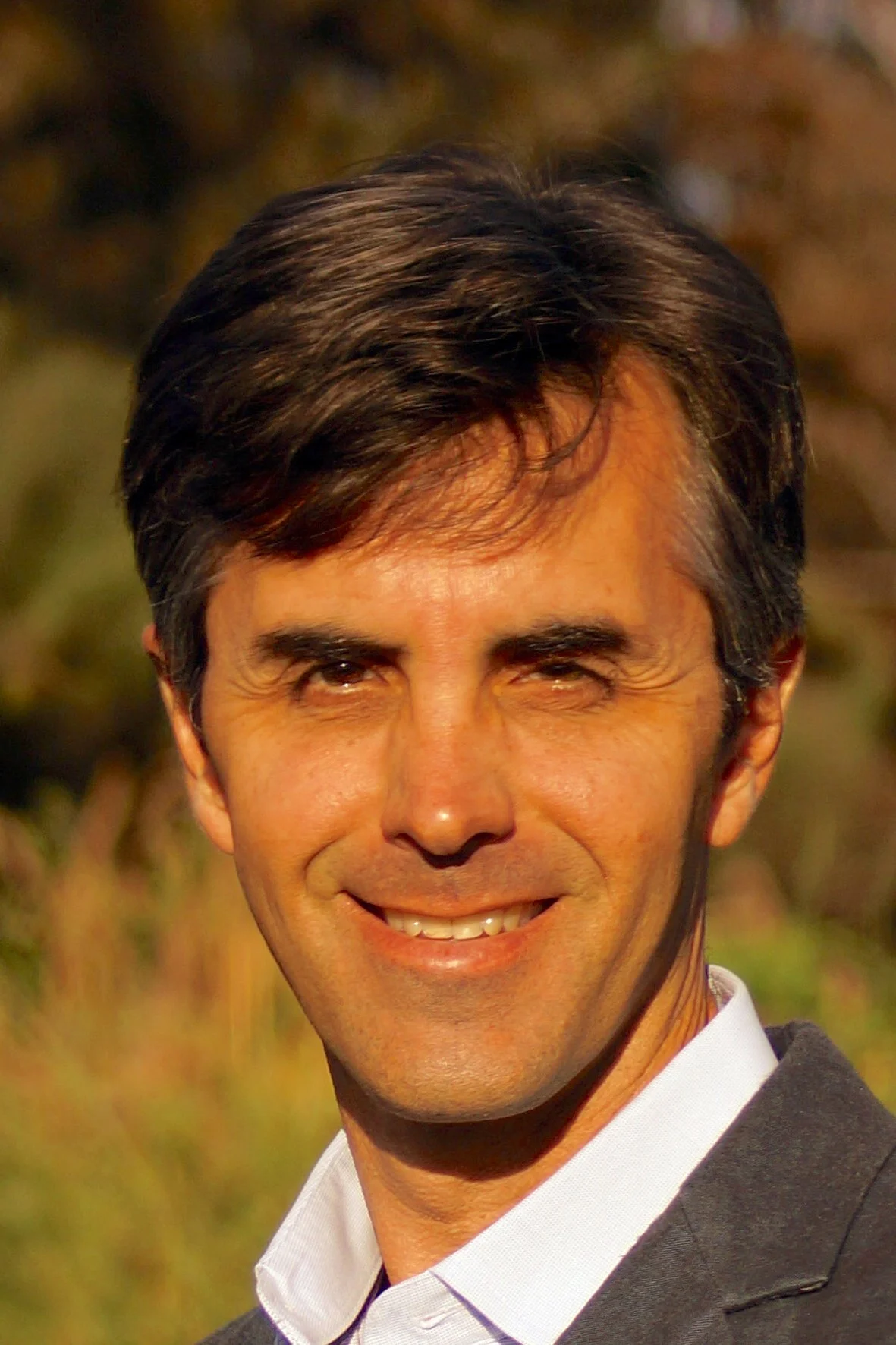
Forrest Melton
NASA ARC
Forrest Melton is a Senior Research Scientist in the Earth Science Division at NASA Ames Research Center and currently serves as the NASA Project Scientist for OpenET. Since 2003, he has worked in the Atmospheric and Biospheric Science Branches at NASA Ames Research Center on the development of modeling and satellite-driven decision support frameworks including OpenET, the Satellite Irrigation Management Support (SIMS) system, the NASA Earth Exchange (NEX), and the Terrestrial Observation and Prediction System (TOPS). His research interests include applications of satellite data to improve management of natural resources, remote sensing of evapotranspiration and agricultural water requirements, and ecosystem and carbon cycle modeling.
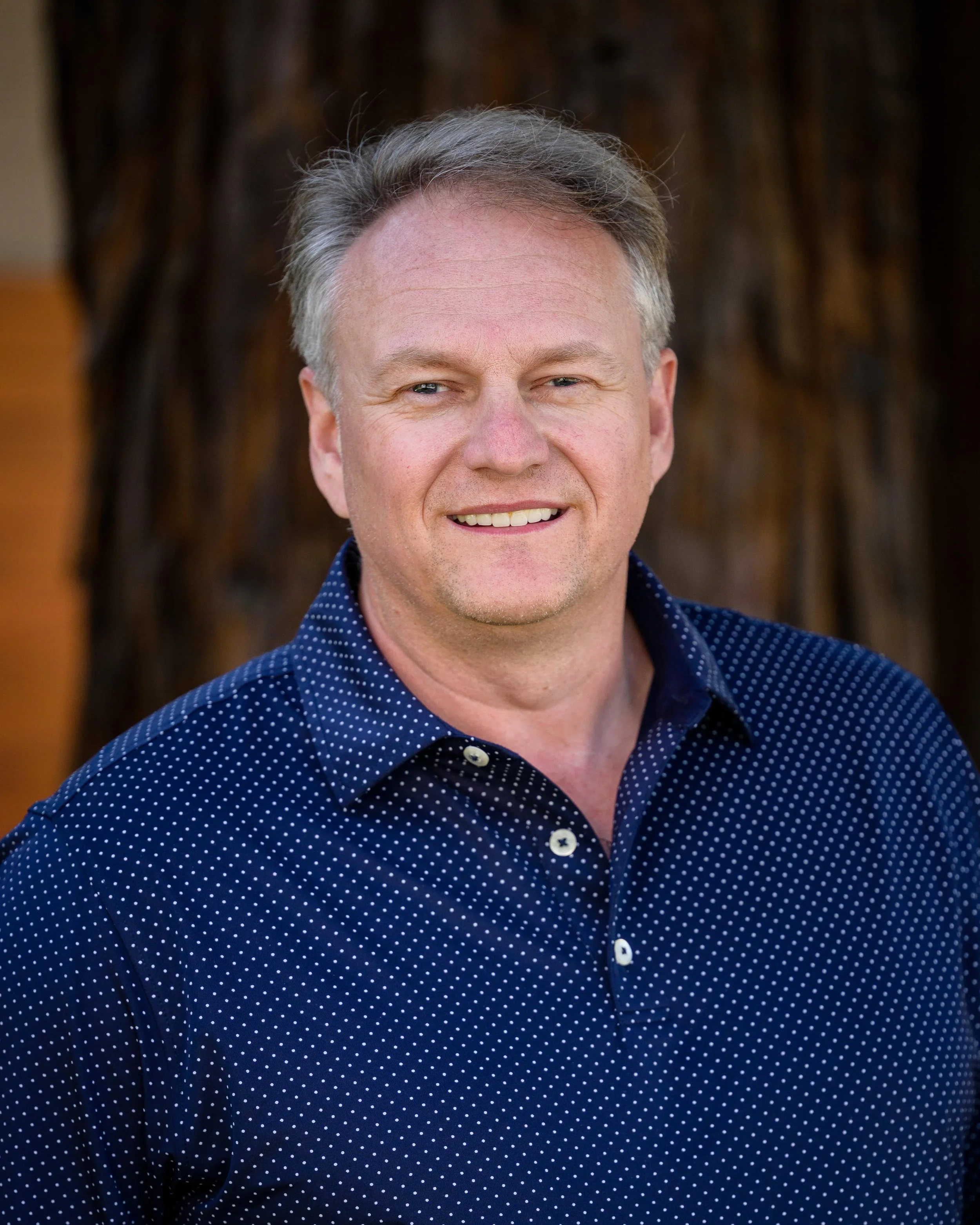
Chris Padwick
John Deere / Blue River Technology
Chris Padwick joined Blue River Technology in 2016 as the first machine learning engineer for the See and Spray product. He led the machine learning team to develop See and Spray which was released to customers in 2022. This year over 5 million acres have been treated using See and Spray, resulting in herbicide savings of 50% and over 32M gallons of herbicide tank mix not sprayed. Chris has received numerous awards and 13 patents related to the See and Spray product. Before Blue River, he worked in the remote sensing industry for 12 years at Maxar, MDA, and ITT VIS, holding various roles. Chris has an M.Sc. degree in Physics and Astronomy from the University of British Columbia.
Pankaj Pal
Texas A&M AgriLife Research
Pankaj Pal, Ph.D., is an Associate Research Scientist at Texas A&M AgriLife Research in Corpus Christi, Texas. He holds both M.S. and Ph.D. degrees in Electrical and Computer Engineering. His research focuses on precision agriculture, remote sensing, artificial intelligence, machine learning, geospatial analytics, and agricultural data systems. He develops data-driven solutions that integrate UAV, satellite, IoT, and field-based sensing technologies to support crop monitoring, growth forecasting, nutrient management, and decision-making for sustainable agricultural production. His work bridges engineering, data science, and agricultural applications. (Headshot not yet submitted.)
Harrison Palmer
Maryland Department of Agriculture
Harrison Palmer serves as the Chief of Staff at the Maryland Department of Agriculture, where he acts as a strategic partner to the Secretary and Deputy Secretary to oversee departmental operations, internal and external communications, intergovernmental and legislative affairs, and key agency initiatives. With over seven years of dedicated service to the Maryland Department of Agriculture, Harrison has held various roles, including Executive Secretary for both the Maryland Agricultural Commission and the Maryland Agricultural Fair Board, as well as positions in soil conservation engineering. Beyond his public sector work, he is the owner and operator of Palmer Farms, LLC, a 50-acre operation focused on the production of high-quality hay and straw for the equine industry. A graduate of North Carolina State University, he has also been an active voice for the agricultural community through local leadership roles. (Headshot not yet submitted.)
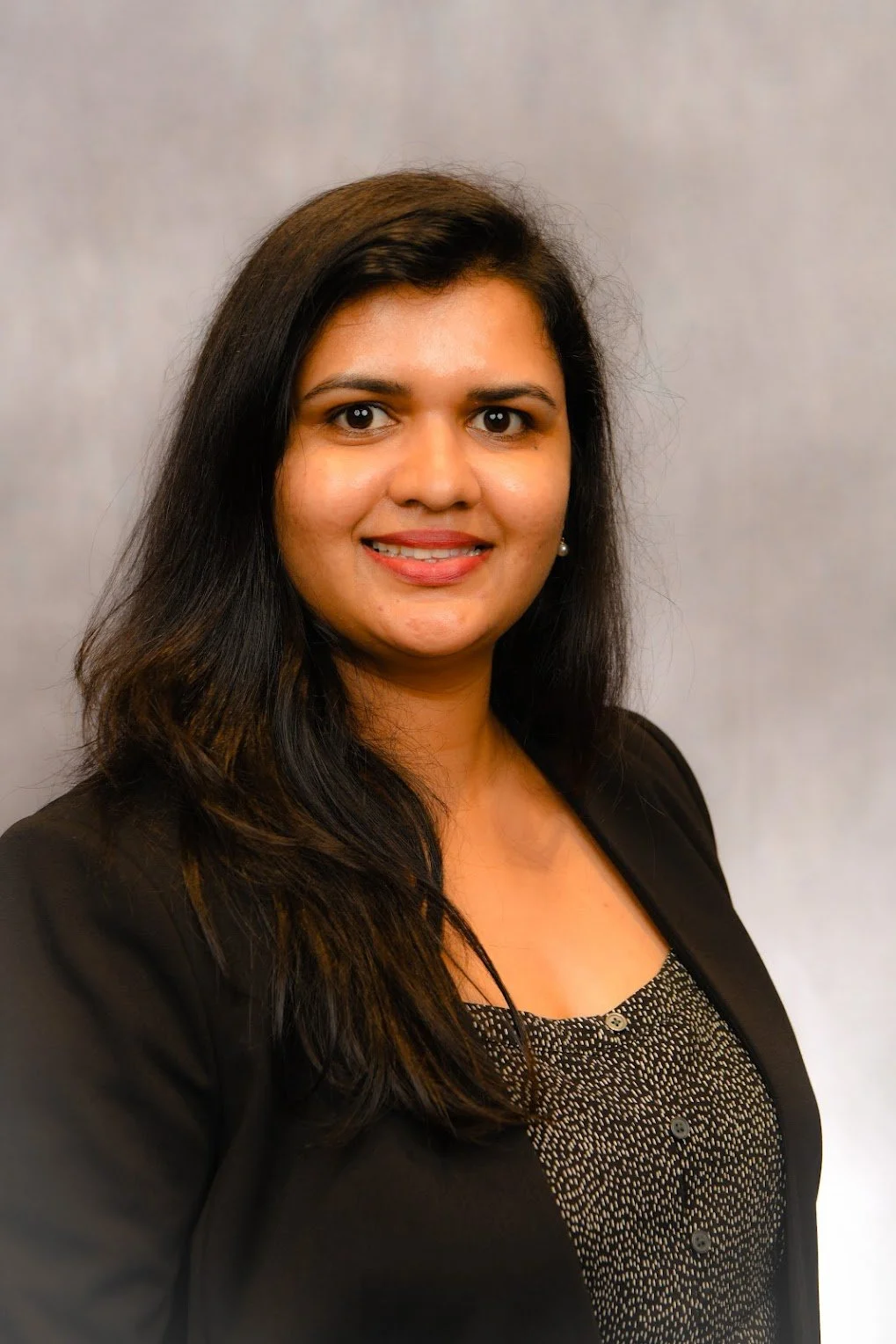
Dr. Aparna R. Phalke
NASA Marshall Space Flight Center & UAH
Dr. Aparna Phalke is the NASA EarthRISE Science Lead for Agriculture and Food Security and a Research Scientist at the University of Alabama in Huntsville. For more than 15 years, she has transformed satellite observations into actionable agricultural intelligence. She leads the Farm Action Toolkit (FAcT), advancing crop monitoring, planting-date mapping, and drought preparedness to support agricultural decisions in the United States and globally.
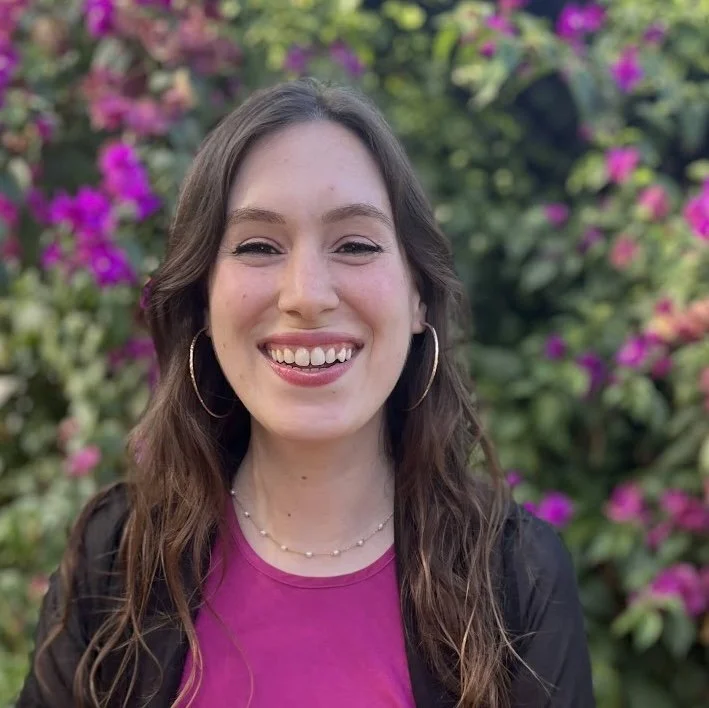
Lena Pransky
NASA / University of Alabama in Huntsville
Lena Pransky supports user engagement and communications for NASA Earth Science programs, including the Agriculture Program, EarthRISE, and NASA's Satellite Needs Working Group Implementation Team. She holds a Master's in International Agricultural Development from the University of California, Davis, with a graduate certificate in Extension. Her background spans agricultural equity research, small and organic farmer education, and food security outreach. She draws on this experience to support scientists and decision-makers in their efforts to translate NASA Earth data into locally-led solutions.
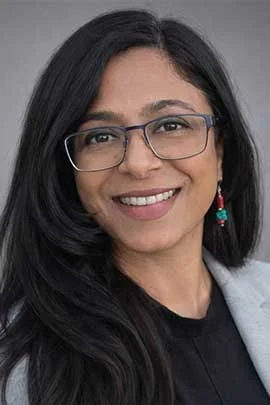
Dr. Nithya Rajan
Texas A&M University
Dr. Nithya Rajan is a Professor of Agronomy and Agroecology at Texas A&M University and the Director of the Hood Family Center for Greenhouse Gas Management in Agriculture. Her research program focuses on advancing climate-smart agriculture through the development and evaluation of management practices that reduce greenhouse gas emissions while improving productivity, resource-use efficiency, and environmental sustainability. Her interdisciplinary program integrates field research, environmental monitoring, systems modeling, and producer engagement to develop practical, science-based solutions that enhance soil health, optimize nutrient management, and strengthen agricultural resilience.
Juani Rattalino
Syngenta Group
Juani Rattalino is Global Head of Computational Agronomy at Syngenta, leading multidisciplinary teams that turn agronomic science into digital agricultural intelligence across the global Seeds and Crop Protection businesses. With 25+ years across international agriculture, academia and industry, his constant has been turning rigorous science into pragmatic, data-driven solutions that create real value for farmers and agronomists worldwide.
Alex Ruane
NASA Goddard Institute for Space Studies
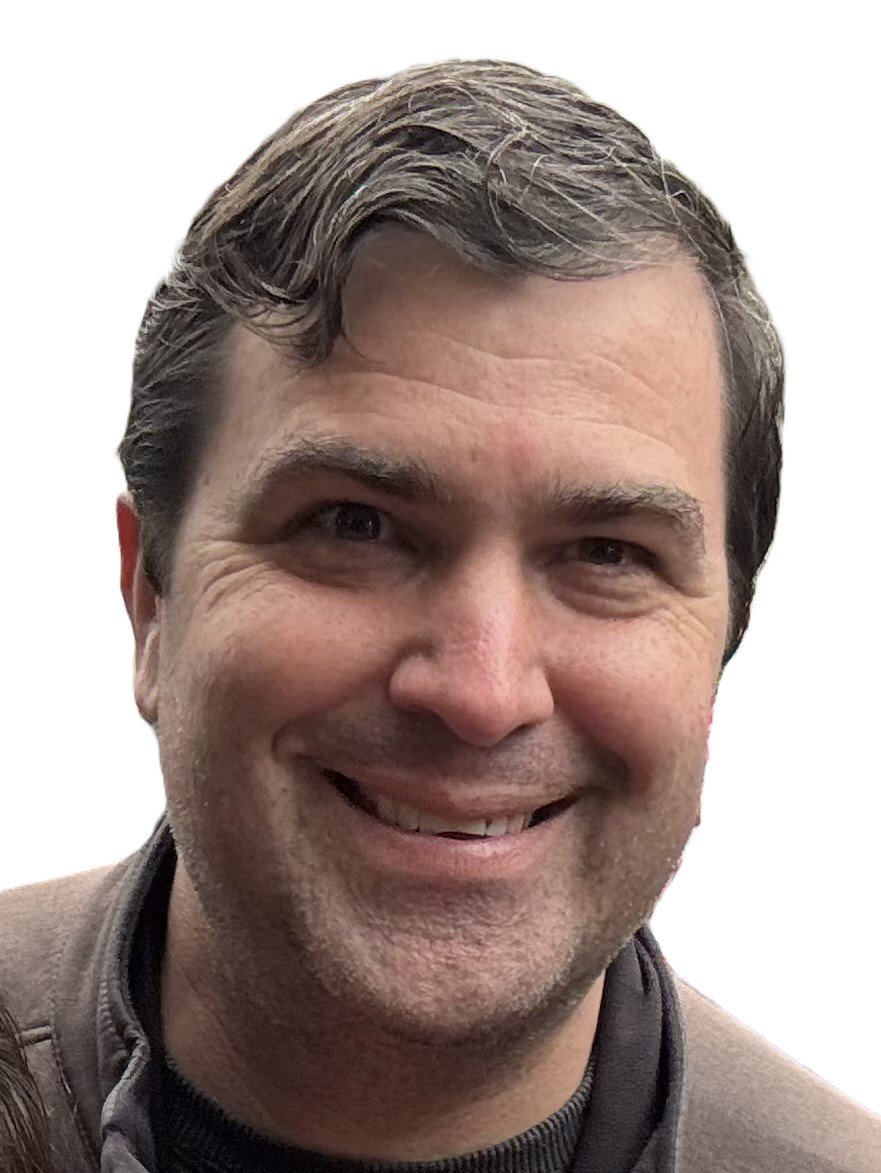
Alex Ruane is a Research Physical Scientist and Co-Leader of the NASA GISS Impacts Group. His work focuses on how weather affects food systems and reactive and proactive actions that can increase resilience. He is a co-founder and serves as Science Coordinator for the Agricultural Model Intercomparison and Improvement Project (AgMIP), a global community connecting agrometeorology, agronomy, livestock, economics, and nutrition models to identify and address current and future challenges to food systems. Alex helps develop the Earth Information for Food (EI4Food) initiative and is focusing current work in Iowa as part of NASA's A Virtual Agricultural Innovations Laboratory (AVAIL).
Dr. Leonid Shumilo
University of Maryland
Dr. Leonid Shumilo is a PhD in Geographical Sciences, Postdoctoral Associate at the University of Maryland, specializing in remote sensing–based monitoring of agricultural systems and machine learning/deep learning applications using satellite data. He is a NASA FINESST Fellow (Future Investigators in NASA Earth and Space Science and Technology). His research focuses on climate change impacts on food security systems and on assessing the implications of war for Ukrainian agriculture and environmental systems. (Headshot not yet submitted.)
Anu Swatantran
Corteva Agriscience
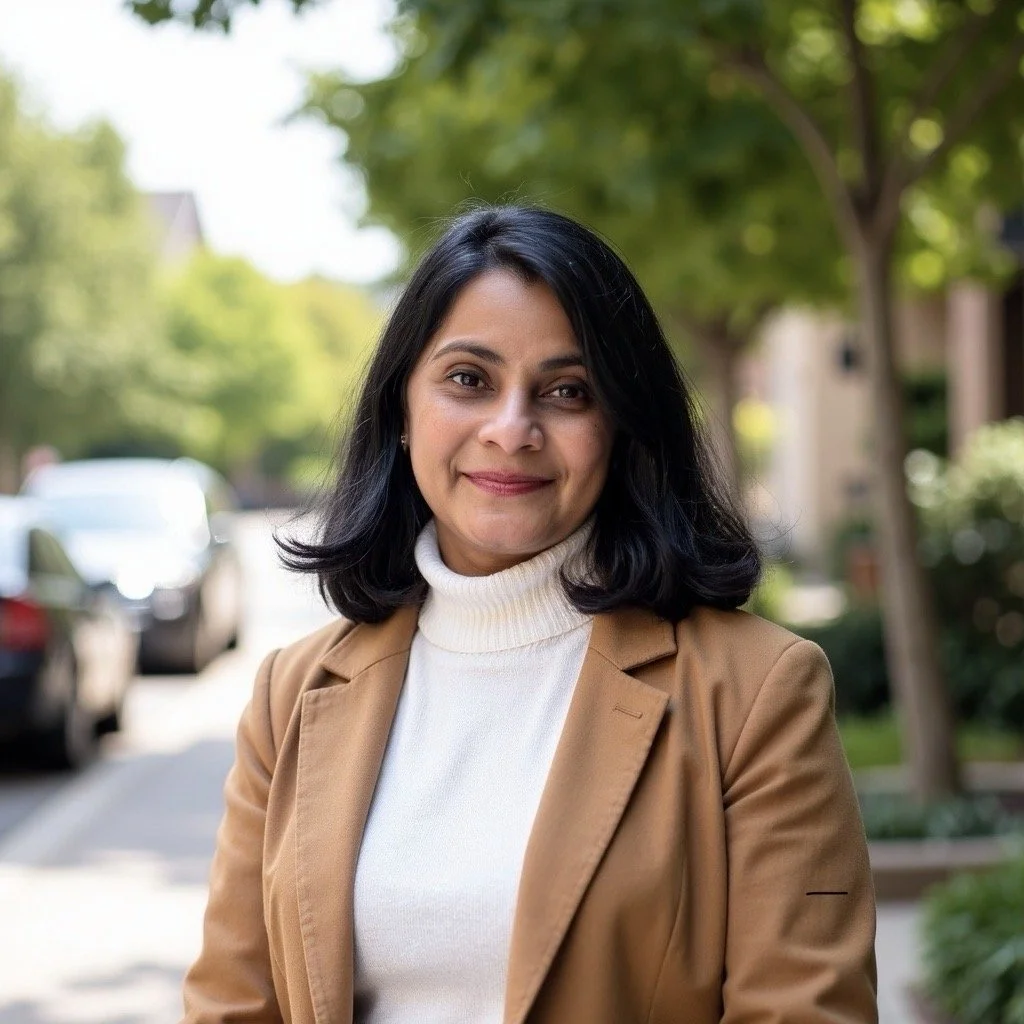
Anu is an earth science leader driving innovation at the intersection of research, technology and real-world impact in agriculture and forest ecosystems. As an R&D Laureate at Corteva Agriscience, Anu defines remote sensing and vision intelligence strategy and leads cross functional teams to deliver actionable insights for precision phenotyping, biotechnology, crop health and digital farming. She champions public-private partnerships and works closely with researchers, commercial satellite companies, and international organizations to co-develop scalable solutions for agriculture using earth observations. Previously, Anu was an Assistant Research Professor at the University of Maryland and served as co-investigator and science team member on high-impact NASA projects including Carbon Monitoring System and the Global Ecosystem Dynamics Investigation (GEDI). She holds a PhD in Geographical Sciences from the University of Maryland and is a NASA Earth and Space Science Fellow (2006).
Michael P. Taylor
NASA
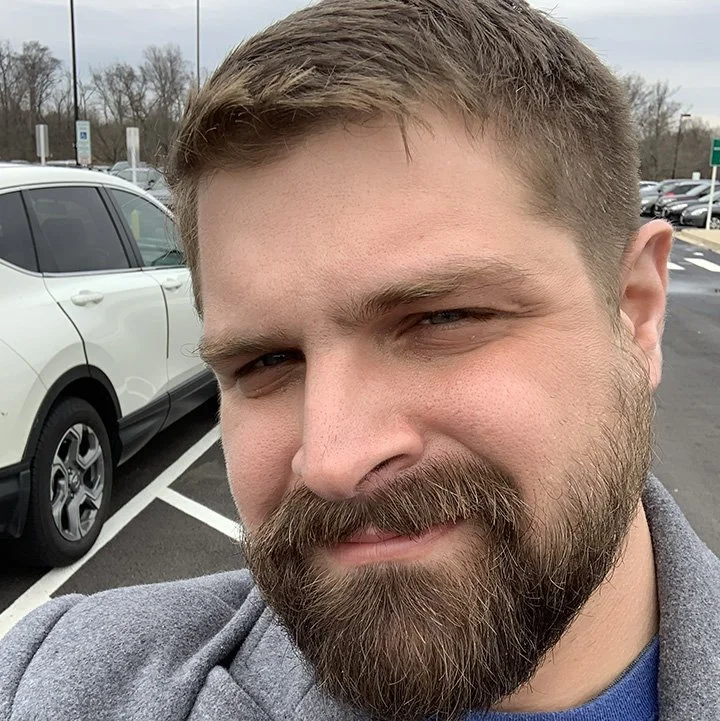
Michael P. Taylor is an Outreach Scientist at NASA Goddard Space Flight Center (c/o SSAI) in the Biospheric Sciences Laboratory. With over 18 years of experience in remote sensing and GIS, he translates complex data for scientists and the public. As the Project Lead for STELLA, Michael directs the development of low-cost, open-source instruments that democratize remote sensing science for research and education. He holds an M.P.S. in GIS from the University of Maryland.
Aditya Tejwani
NASA STELLA
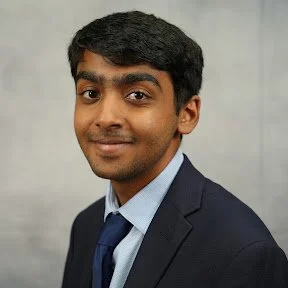
Aditya Tejwani is a Computer Engineering student at the University of Maryland with interests in embedded systems, sensing technologies, and robotics. As a NASA intern on the STELLA (Science and Technology Education for Land/Life Assessment) project, he contributes to the development, testing, and calibration of low-cost handheld spectrometers designed to provide farmers and researchers with affordable tools for environmental and agricultural monitoring.
Ethan Triplett
National Sorghum Producers
Ethan Triplett serves as Director of Crop Improvement and Efficiency for the National Sorghum Producers. In this role, he leads efforts to align research, technology development, and producer priorities across the sorghum industry. His work focuses on crop improvement, water conservation, forage and grain production systems, data-driven decision making, and the development of strategic partnerships that accelerate innovation and strengthen sorghum's competitiveness in domestic and international markets. (Headshot not yet submitted.)
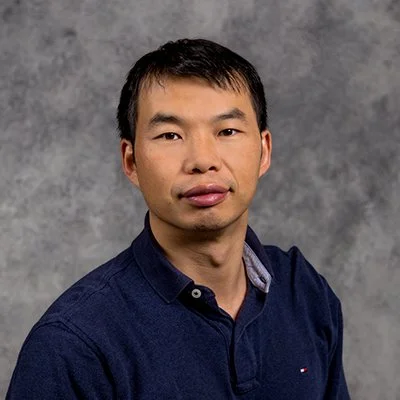
Dr. Hankui Zhang
South Dakota State University
Dr. Hankui Zhang is an associate professor in the Department of Geography and Geospatial Sciences and a scientist at the Geospatial Sciences Center of Excellence at South Dakota State University. His current research primarily involves developing global-applicable algorithms to make medium-resolution satellite data (e.g., Landsat and Sentinel-2) ready-for-easy, which includes cloud masking, BRDF correction and compositing. He also conducts research on advancing artificial intelligence applications for remote sensing, focusing on surface geophysical and biophysical parameter retrieval, as well as land cover mapping for environmental monitoring. He is a Landsat science team member.